
You spray, scrub, and the mold comes back two weeks later. That’s because most bathroom mold products only clean what you see instead of killing what’s hiding in grout and caulk. The difference between removing surface stains and actually stopping regrowth comes down to choosing products that match your surface type and applying them with proper dwell time. This guide breaks down bleach-based, eco-friendly, and professional-grade formulas so you know what works for small surface patches versus stubborn growth that keeps coming back.
Top Product Solutions That Remove Bathroom Mold Fast
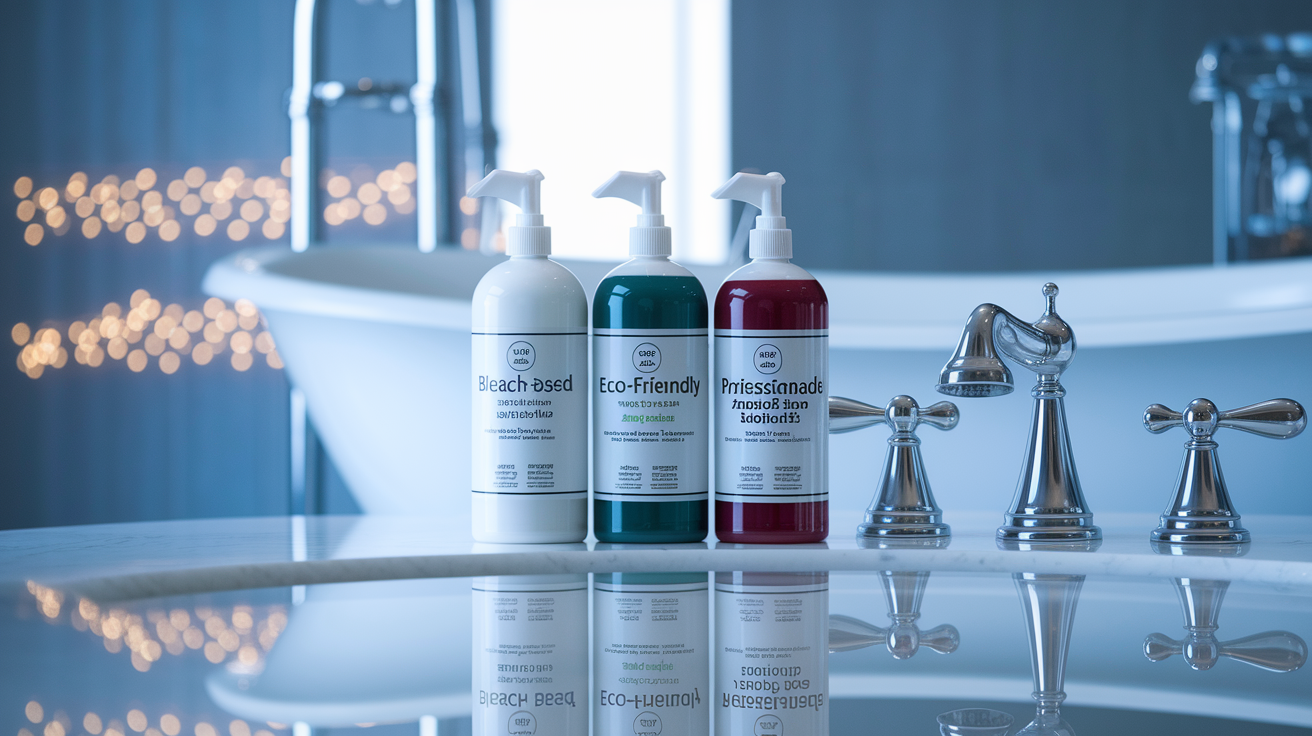
Three product types go after bathroom mold in different ways. Bleach-based cleaners kill mold where it lives and disinfect at the same time. Eco-friendly formulas meet EPA safety rules while clearing visible growth. Professional-grade products pack stronger concentrations with delivery systems built for tough cases.
Bleach-Based Bathroom Mold Products
Bleach gets into porous surfaces and kills mold at the cellular level. Clorox Tilex Mold and Mildew Remover Spray kills 99.9% of mold and mildew germs plus bacteria in 5 minutes. It works on toilets, countertops, tile, sinks, bathtubs, and shower surfaces. The bleach whitens grout while it removes stains, and it stops regrowth by making the surface inhospitable for spores.
Lysol Mold and Mildew Remover works well for general bathroom upkeep. Both disinfect while they clean, which matters if someone in your house has respiratory issues or a compromised immune system.
The tradeoff is fume strength and what happens if it touches fabric. These products put off strong odors that need good ventilation. They’ll discolor fabrics, so keep towels and bathmats clear of the cleaning zone. Some surfaces like natural stone or colored grout can bleach or etch if you leave the product on too long.
For vertical surfaces like shower walls, foaming bleach sticks better than regular sprays. The foam stays put during the required dwell time instead of running down before it can work.
Eco-Friendly and Non-Toxic Mold Products
EPA Safer Choice certification means the ingredient list passes EPA safety standards for human health and environmental impact. These skip harsh fumes and skin irritants while still removing visible mold stains.
CLR Mold & Mildew Clear Stain Remover carries EPA Safer Choice certification and doesn’t produce uncomfortable fumes. The unscented formula works on shower walls, painted surfaces, and tile without needing a respirator or clearing the room. It removes mold stains well on non-porous surfaces, but it can’t disinfect or kill existing mold since there’s no bleach.
For DIY natural options, vinegar solution kills 82% of mold species through acetic acid. Spray undiluted white vinegar on the moldy spot, let it sit for an hour, then scrub and rinse. Hydrogen peroxide at 3% concentration oxidizes mold. Spray it on, wait 10 minutes, scrub, and wipe clean. Baking soda paste (mix with small amounts of water until thick) adds gentle scrubbing power for textured surfaces. Tea tree oil diluted at 1 teaspoon per cup of water gives you antifungal properties, though the scent sticks around.
Natural products work slower than chemical cleaners and need more frequent application. They’re better for prevention and daily maintenance rather than severe infestations. If you have children, pets, or chemical sensitivities, the safety benefits outweigh needing to reapply every few days.
What product you pick depends on how bad the mold is, what surfaces you’re treating, and your household’s safety needs. Small surface patches respond to eco-friendly options. Recurring mold or growth in grout lines often needs bleach-based disinfection. If you’re managing chronic respiratory issues or young kids who touch everything, non-toxic formulas make daily upkeep safer even if they take more elbow grease.
Understanding Mildew Versus Black Mold in Your Bathroom
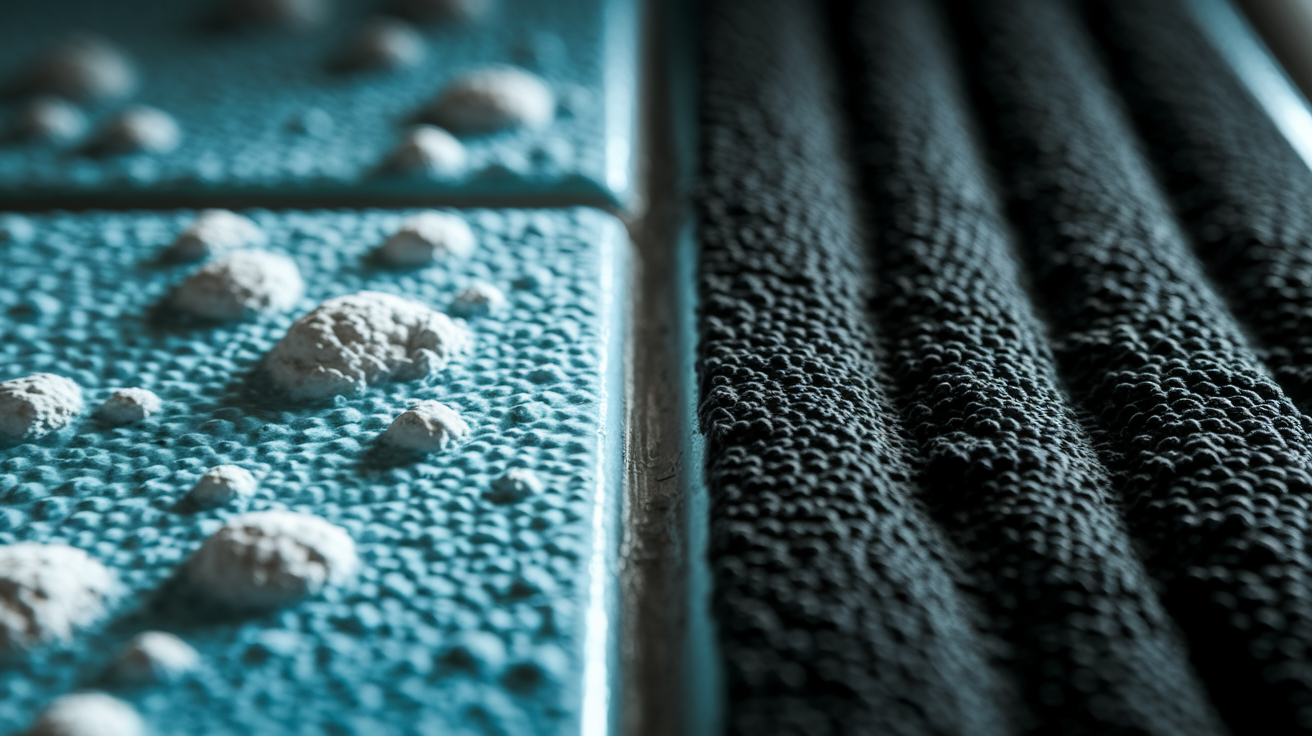
Knowing which one you’re dealing with determines what products will actually work. Mildew sits on the surface and wipes away easily. Mold digs into porous materials and needs stronger action.
Mildew shows up as white or gray powdery dots, often turning yellow or brown as it ages. You’ll find it on shower curtains, along caulk lines, and on damp towels left too long. It stays at surface level and responds well to regular bathroom cleaners or diluted vinegar. The texture feels powdery when you touch it with a gloved finger.
Mold grows in darker shades of red, green, or black with a fuzzy or slimy texture. It gets into porous surfaces like grout, drywall, and wood trim. Black mold (Stachybotrys chartarum) appears dark greenish-black and often means you’ve got serious moisture problems behind what you can see. Unlike mildew, mold roots extend deep into materials. That’s why surface cleaning sometimes fails to stop regrowth.
Call a professional if the moldy area exceeds 2 square feet or if multiple mold spots appear throughout the bathroom. At that point, you’re likely dealing with hidden moisture sources that DIY products can’t address. The visible growth is just what made it to the surface.
Surface-Specific Product Selection and Application

What the surface is made of and where it’s located determines which products clean safely without causing damage. Grout absorbs differently than glass. Vertical shower walls need different formulas than horizontal countertops.
| Surface Type | Recommended Product Formula | Special Considerations |
|---|---|---|
| Tile and grout | Foaming cleaners, CLR Brilliant Bath for white grout | Porous grout needs longer dwell time; seal after cleaning |
| Shower walls | Foaming formulas that cling vertically | Avoid sprays that run off before working |
| Glass shower doors | Spray formulas without abrasives | Squeegee after each use prevents buildup |
| Ceramic tiles | Bleach-based or natural options | Both work well on non-porous glazed ceramic |
| Fiberglass tubs | Non-abrasive formulas only | Scratches trap dirt and mold; use soft cloths |
| Acrylic fixtures | Gentle cleaners, no bleach | Bleach can yellow or crack acrylic over time |
| Marble surfaces | pH-neutral only | No acids or bleach, both etch natural stone |
Porous materials like grout and caulk absorb mold spores deeper into their structure. Surface cleaning removes what you see but doesn’t always kill what’s underneath. These materials need longer product dwell time and benefit from preventative sealers after treatment. Non-porous surfaces like ceramic tile or glass keep mold at the surface where products work faster.
Shower Walls and Bathtub Surrounds
Vertical surfaces need products that stay put. Foam formulas like CLR Brilliant Bath cling well to shower and bath surrounds, giving the active ingredients time to work before gravity pulls them down. Standard spray options like Clorox Tilex cover large areas quickly but work better if you spray in sections and wipe before the product runs off.
Spot treat visible growth weekly. Deep clean monthly even if you don’t see mold yet. For textured surfaces like cultured marble or fiberglass with a pattern, use a soft-bristle brush during scrubbing. The texture creates tiny valleys where mold hides from a flat wipe.
Glass Shower Doors
Glass handles most products safely, but the metal tracks and rubber seals need more care. Skip abrasive formulas that scratch glass. Scratches trap soap scum and create rough spots where mold can anchor. Vinegar solution works well for light mildew on glass without leaving streaks. Commercial sprays handle the tracks and seals where water pools.
Squeegee the glass after each shower. That simple step prevents most mold from ever starting by removing the water mold needs to grow.
Toilet Base and Tank Areas
Mold hides where you don’t look daily. Check the base seal where the toilet meets the floor. Condensation forms on the outside of the tank in humid bathrooms, dripping down and creating damp spots. Behind the toilet where air circulation stays low, mold grows undisturbed.
Clorox Tilex disinfects these areas since toilet proximity raises hygiene concerns. Wet & Forget works for prevention between deep cleanings. If you see mold repeatedly appearing at the base seal, check the wax ring. A failing seal means water is leaking with every flush.
Clean shower curtains daily with a mold-killing spray, or machine wash fabric curtains weekly. Vinyl curtains tolerate bleach-free formulas better than harsh chemicals, which can make them brittle and crack. The bottom hem where water collects needs the most attention.
Window sills and the areas around sinks attract mold through condensation. Weekly inspection catches growth early when a quick wipe handles it. Wet & Forget applied preventatively every 7 days keeps these spots clear. Make sure the silicone seal around sinks stays intact. Broken caulk lets water seep behind the fixture where you can’t clean it.
Step-by-Step Application Techniques and Product Formulations
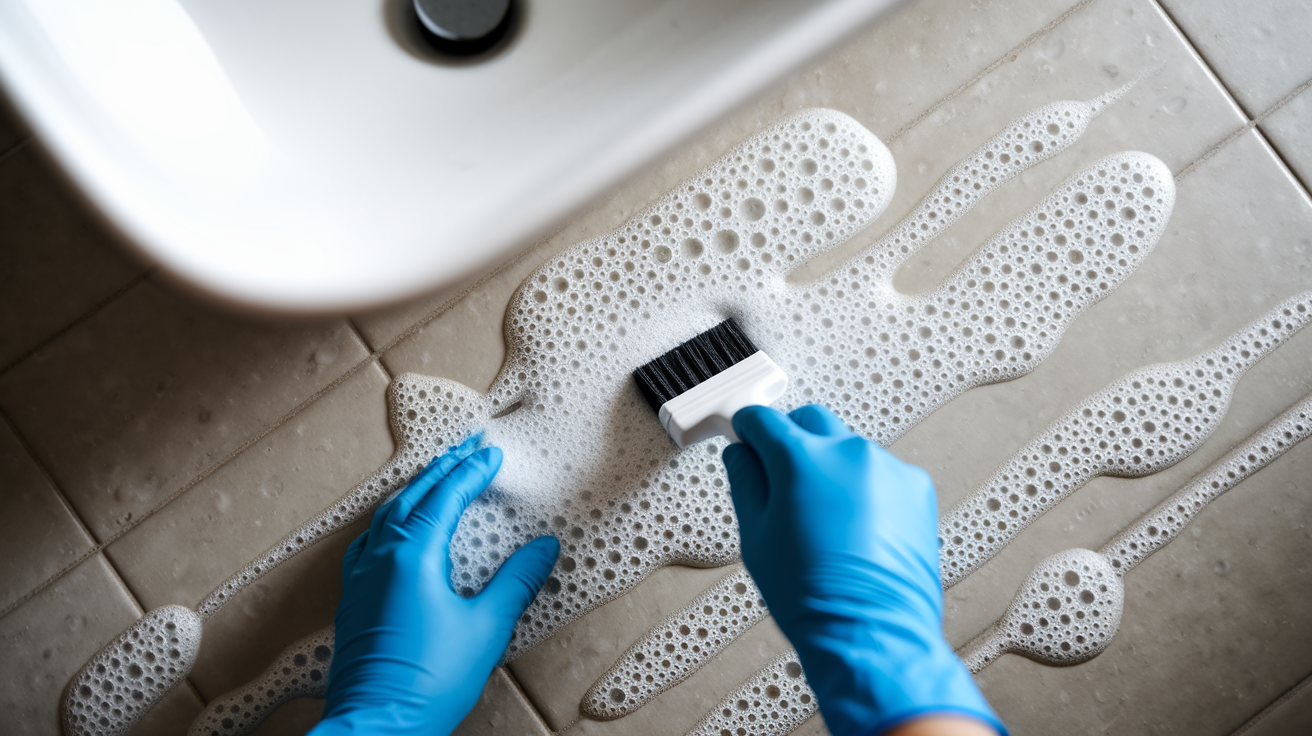
Proper application technique and choosing the right formulation determine whether products work or waste your time. Rushed application without adequate dwell time leaves mold alive under a clean-looking surface.
-
Surface preparation. Remove loose debris with a dry cloth or vacuum. If the surface is soaking wet, dry it enough that the product won’t immediately dilute and run off.
-
Protective equipment. Put on rubber gloves, safety goggles, and a face mask before opening the product. Mold spores go airborne when disturbed.
-
Product application. Spray or foam the product to fully cover the moldy area plus a few inches beyond the visible edge. Mold spreads wider than what shows on the surface. Avoid overspray onto surfaces you’re not treating.
-
Dwell time. Let the product sit for 5 to 10 minutes depending on what the label says. Tougher stains need the full 10 minutes to penetrate. Don’t wipe early, even if it looks clean. The product needs contact time to kill mold at the root.
-
Agitation. Scrub porous surfaces like grout with an appropriate brush. Some products like Mold Armor require no scrubbing at all, which saves effort on large areas.
-
Rinsing process. Rinse thoroughly with clean water. Residue left behind can attract dirt or degrade certain surfaces over time.
-
Drying. Squeegee or towel-dry the cleaned area. Leaving it wet invites immediate regrowth.
Spray formulas cover large horizontal surfaces fast and come ready to use straight from the bottle. They work well for floors, countertops, and wide expanses of tile. Trigger sprayers let you target specific spots without waste. The spray-and-wipe method suits routine maintenance, but sprays tend to drip on vertical surfaces before the dwell time completes.
Foaming formulas cling to vertical shower walls and bath surrounds, holding the active ingredients in place during the required contact time. You can see exactly where you’ve applied the foam, which prevents missed spots. The foam provides longer contact time than sprays. Not all foam products cling equally well, though. Some formulations slide down just like sprays, defeating the purpose.
Gel formulations offer the thickest consistency for maximum cling time on ceiling surfaces and overhead areas where gravity works against you. They cost more per ounce but waste less through runoff. Use gels for ceiling corners, the underside of sink overhangs, and anywhere you need the product to defy gravity.
Concentrated formulas let you adjust dilution strength for different severity levels. Light mildew needs less concentration than embedded black mold. Concentrates offer better value for money when you buy in bulk and dilute as needed. Some require special application equipment like garden sprayers for outdoor use or large indoor areas. Check storage requirements. Concentrates often have specific temperature ranges and shelf life guidelines that ready-to-use products don’t.
Essential Safety Equipment and Protection During Mold Removal

Protection matters because mold spores irritate airways and chemical cleaners burn skin on contact. Even “natural” products can cause reactions in sensitive individuals.
Required safety equipment includes:
- Rubber gloves. Chemical-resistant gloves protect skin from product contact and keep mold spores off your hands.
- Safety goggles. Splash protection prevents product from hitting eyes during application, especially when working overhead.
- Respirator mask or N95. Filters mold spores that go airborne when you scrub, preventing inhalation.
- Long sleeves. Skin coverage reduces exposure if product splashes or drips during application.
- Ventilation fan or open windows. Air circulation dilutes fumes and carries spores out instead of deeper into the house.
- Proper storage location. Keep products locked away from children and pets, in original containers with intact labels.
Run the exhaust fan during and after application. Open the bathroom door and any windows you have. This becomes critical with bleach-based products that emit fumes. Clorox Tilex and similar cleaners produce strong odors that can cause headaches, nausea, or respiratory irritation in enclosed spaces. Cross-ventilation pulls contaminated air out while bringing fresh air in.
If product contacts skin, rinse immediately with plenty of water for at least 15 minutes. For eye contact, flush with water for 15 minutes and seek medical attention. If you inhale concentrated fumes and feel dizzy or short of breath, get to fresh air right away. Don’t tough it out. Chemical exposure compounds with continued contact.
Treating Stubborn Mold on Grout and Silicone Caulk

Grout and caulk trap mold deeper than any other bathroom surface. Their porous structure absorbs moisture and gives mold roots a place to anchor that surface cleaning can’t reach.
CLR Brilliant Bath Foaming Action Cleaner works fastest for whitening grout and continues the whitening process as the grout dries after rinsing. The foam clings well to vertical surfaces like shower and bath surrounds, maintaining contact during the extended dwell time porous grout requires. It only works on white grout, though. Colored grout needs different formulas that won’t strip the pigment.
Porous grout and caulk absorb mold spores millimeters below the surface. A quick spray-and-wipe removes surface discoloration but leaves living mold underneath. These materials need products to sit for the full recommended time, often 10 to 15 minutes, so the active ingredients can penetrate as deep as the mold grew.
Silicone caulk presents a different challenge. Mold grows on the surface and underneath the caulk line where water has broken the seal against the tub or tile. Surface cleaning temporarily improves appearance but doesn’t solve the problem. If caulk shows black streaks that won’t scrub away, the mold has likely colonized the space between the caulk and the surface. At that point, removal and replacement works better than any cleaning product. Fresh caulk properly applied creates a watertight seal that prevents the moisture intrusion mold needs.
Apply grout sealer after removing mold from grout lines. The sealer creates a moisture barrier that makes the grout less porous. Water beads on the surface instead of soaking in, which prevents future mold establishment and extends the time between deep cleaning sessions from weeks to months.
Preventing Recurring Bathroom Mold Growth
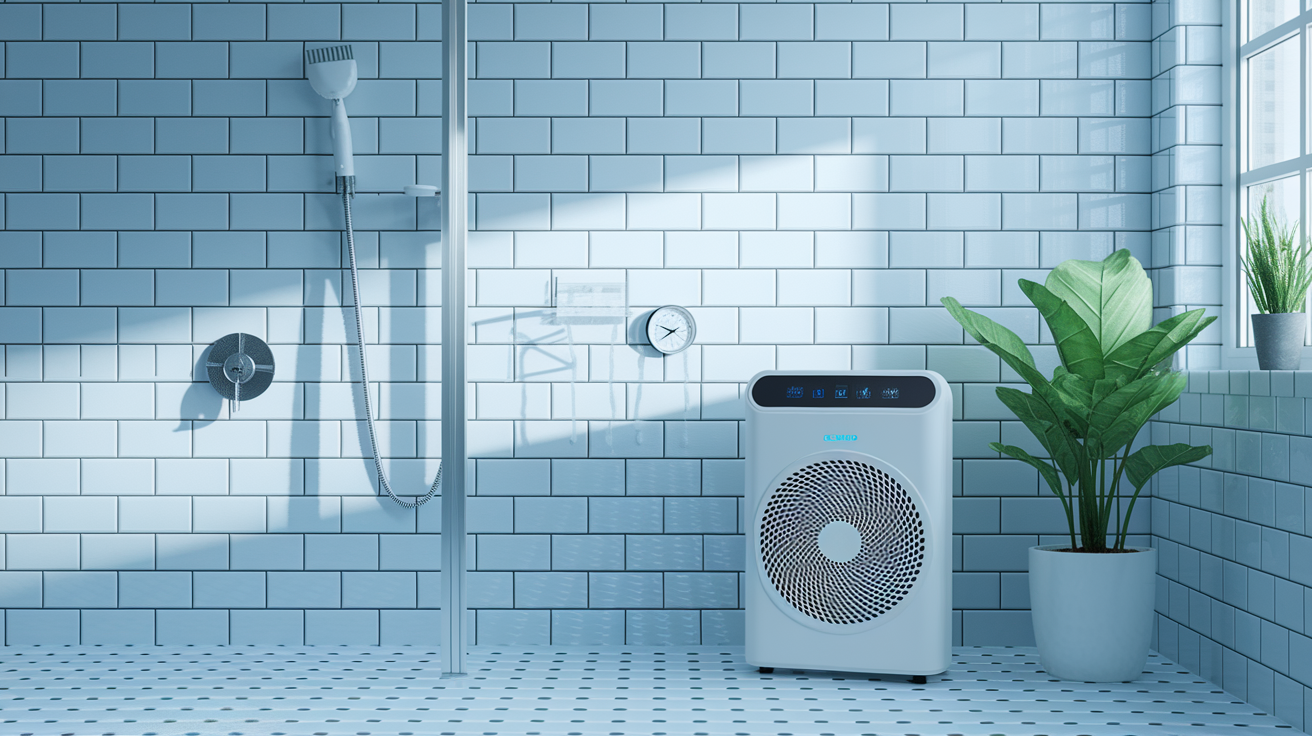
Prevention reduces the need for harsh chemical treatments and constant scrubbing. Controlling moisture stops mold before it starts.
Run the exhaust fan during showers and for 20 to 30 minutes after you finish. The fan pulls humid air out before condensation forms on cool surfaces. Keep the bathroom door open when nobody’s using the room to allow fresh air circulation. Stagnant humid air creates perfect conditions for mold growth. If humidity levels stay high even with the fan running, add a small dehumidifier to pull moisture from the air.
Repair leaking pipes the moment you notice them. A slow drip behind the wall feeds mold continuously, making cleaning efforts pointless. For help addressing underlying moisture problems and leak repairs that cause recurring mold, professional water damage restoration services can identify and fix hidden water sources before mold becomes a chronic problem.
Daily and weekly maintenance habits that prevent mold:
- Squeegee shower walls after each use to remove standing water before it can evaporate and raise humidity.
- Hang towels to dry completely on bars or hooks with air circulation, not bunched on a single hook where the center stays damp.
- Clean shower curtains weekly with preventative spray or machine wash to remove soap scum that feeds mildew.
- Apply preventative spray like Wet & Forget every 7 days in areas where growth reappears regularly.
- Wipe down sink areas and toilet base weekly to remove water splashes before they sit long enough to support growth.
- Inspect window sills for condensation and dry them immediately, especially in winter when temperature differences cause heavy condensation.
Hard surfaces like tile, laminate, and linoleum resist mold better than carpet or fabric bath mats. Smooth non-porous materials don’t give mold texture to grip or absorb the moisture it needs. Soft materials like bath mats and bathroom carpet create ideal conditions for mold. They stay damp, trap organic matter from dead skin cells, and sit against the floor where air circulation stays minimal. If you keep fabric bath mats in the bathroom, launder them as frequently as towels.
Prevention costs less than repeated treatment with expensive mold removal products. A $15 squeegee used daily prevents more mold than $50 worth of chemical cleaners applied monthly. Lower chemical use means better air quality and less time spent scrubbing.
Comparing DIY Products Versus Professional-Grade Solutions
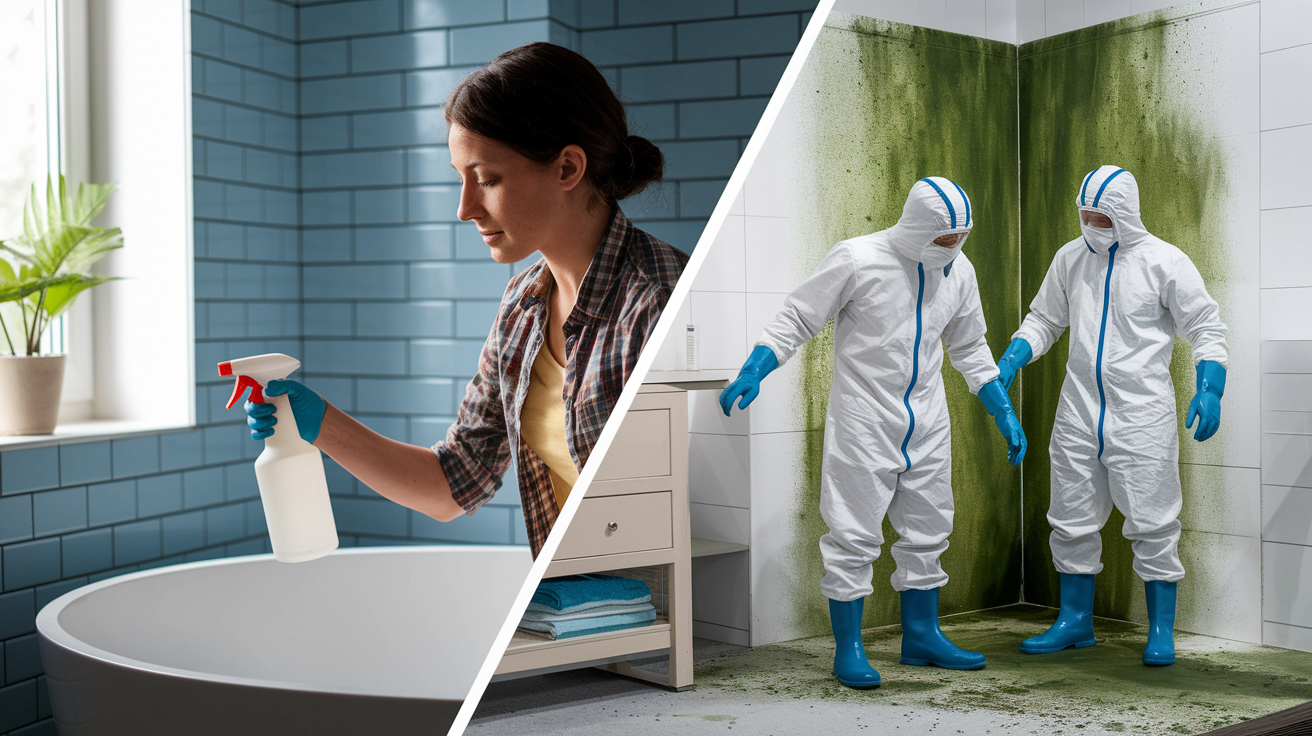
The 2 square foot threshold determines when retail products stop being enough. Anything larger than a dinner plate, or multiple spots appearing throughout the bathroom, signals a moisture problem that needs professional assessment.
DIY products offer immediate availability from any hardware store or supermarket. You control the timing, the specific product ingredients, and how much you spend per application. Routine maintenance and small isolated spots respond well to over-the-counter solutions. If you catch mold early while it’s still surface-level, retail products handle it.
Professional-grade solutions use higher concentrations of active ingredients than consumer products. Restoration companies have specialized equipment for application, containment, and air filtration during treatment. More importantly, they address root causes like hidden moisture sources behind walls, under flooring, or in ventilation systems. Professional work typically includes warranties. If mold returns within the warranty period, they come back and fix the underlying issue.
| Scenario | Best Solution |
|---|---|
| Small isolated spots under 2 square feet | DIY retail products |
| Recurring growth in same area despite cleaning | Professional assessment to find moisture source |
| Mold behind walls or under flooring | Professional remediation with containment |
| Routine prevention and maintenance | DIY maintenance products |
Transition from DIY to professional help when mold keeps coming back in the same spot despite repeated cleaning. That pattern means you’re treating the symptom while the moisture source continues feeding new growth. If you smell musty odors but can’t find visible mold, it’s growing somewhere you can’t see. When mold appears on drywall, ceiling tiles, or areas that suggest water damage behind the surface, professional mold removal and remediation becomes necessary to prevent structural damage and health risks from spreading spores during DIY attempts to access hidden areas.
Addressing Water Damage and Leak Sources Before Treatment

Mold is a symptom, not the disease. The disease is persistent moisture from a source that won’t stop until you fix it.
Common bathroom moisture sources include leaking pipes hidden behind walls or under floors, poor ventilation that causes condensation on cold surfaces, shower pan leaks that seep into the subfloor, failing toilet base seals that leak with each flush, deteriorated caulking that allows water to penetrate behind fixtures, and humidity levels consistently above 60% that keep surfaces damp enough to support mold growth.
Recurring growth in the same spot despite thorough cleaning indicates an unresolved moisture source. Musty odors that persist after cleaning suggest mold growing in spaces you can’t see. Water stains on the ceiling or walls mean water is traveling from somewhere. Find where. Peeling paint or wallpaper happens when moisture gets behind the surface and breaks the adhesive bond. Warped flooring near fixtures shows long-term water exposure that’s probably feeding mold in the subfloor.
Even the best mold removal products fail if the water source continues. You can scrub with industrial-strength chemicals, kill every visible spore, and watch new growth appear within days because moisture is still feeding the area. Fix leaks first, then clean the mold. Proper ventilation prevents recurrence and reduces how often you need to deep clean. A $50 pipe repair solves a mold problem permanently. Fifty dollars in cleaning products every month never does.
Product Storage, Shelf Life, and When to Replace
Storage conditions determine whether products work at full strength or degrade into ineffective liquid that wastes your money.
Optimal storage means a cool, dry location away from direct sunlight. Keep containers tightly sealed to prevent evaporation and degradation of active ingredients. Store cleaning products separately from other household chemicals to avoid contamination or dangerous reactions. Keep everything away from children and pets. Follow the manufacturer’s expiration date guidelines. They’re based on how long the formula stays effective under proper storage.
Signs products have expired or lost effectiveness:
- Bleach products older than 6 months. Sodium hypochlorite breaks down over time, losing disinfecting power even in sealed containers.
- Color changes in liquid formulas. Indicates chemical breakdown or contamination.
- Separated or clumped ingredients. Shows the formula is no longer stable.
- Weakened odor in scented products. Fragrance compounds evaporate first, signaling that active ingredients may also have degraded.
- Reduced foaming action. Surfactants lose effectiveness, which impacts cleaning performance.
Bulk purchasing saves money on products you use frequently, but only if you’ll use them before they expire. Refill options for trigger sprayers reduce plastic waste and cost. Buy a large container of concentrated formula and refill smaller spray bottles as needed. Concentrated formulas diluted on demand extend value because you’re not paying to ship water weight and you control the strength based on your needs. Proper storage prevents waste from premature degradation. A gallon of concentrated cleaner stored correctly might last a year. The same product left in a hot garage loses effectiveness in weeks.
Reading Customer Reviews and Before-After Results
Marketing claims promise perfection. Real-world performance varies based on mold severity, surface type, application technique, and how long the problem has existed.
Look for credible reviews from independent testing organizations like the Good Housekeeping Institute, which has over 120 years of product testing experience. Their methodology includes reviewing labels for safety warnings, following manufacturer instructions exactly as written, evaluating effectiveness against standardized mold samples, and conducting consumer home testing across different bathroom conditions. Verified purchase reviews on retail sites come from people who spent their own money and used the product in their homes. Before-and-after photos document actual results instead of ideal laboratory conditions. Match the reviewer’s mold severity to your situation. A product that works perfectly on light surface mildew might fail completely on embedded black mold in grout.
Red flags in reviews include claims of immediate results on severe mold (deep mold takes time to kill), promises that a single application cures recurring problems (recurring mold means ongoing moisture), works on all surfaces without any precautions (every product has surface compatibility limits), and no mention of needing to reapply (prevention products require regular use).
Key effectiveness indicators to evaluate:
- Stain removal speed and completeness. Did it remove all discoloration or leave shadows?
- Odor elimination after treatment. Musty smell should disappear if mold was killed, not just surface-cleaned.
- Time until regrowth appears. Days versus weeks versus months tells you if the product actually killed mold or just bleached it white.
- Ease of application and cleanup. Products that require extensive prep work or leave difficult residue reduce their practical value.
Set realistic expectations based on your specific situation. A product rated five stars for preventing mildew on shower curtains won’t necessarily handle black mold embedded in grout for two years. Light surface growth responds to gentle formulas. Heavy infestations need aggressive chemicals and possibly professional intervention. Products work best when matched to the right severity level and surface type.
Final Words
Picking the right mold removal products for bathroom use comes down to matching the formula to your surface type, mold severity, and household safety needs.
Bleach-based cleaners like Clorox Tilex handle heavy growth and disinfect hard surfaces. Eco-friendly options work well for routine prevention and homes with kids or pets.
If mold keeps coming back in the same spot, fix the moisture source first. No product works long-term if water’s still feeding the problem.
Start with proper ventilation, daily maintenance, and the right cleaner for your grout, tile, or shower walls. That combination keeps your bathroom cleaner with a lot less scrubbing.
FAQ
What is the best product to kill mold in a bathroom?
The best product to kill mold in a bathroom depends on your specific needs and surface types. Bleach-based cleaners like Clorox Tilex kill 99.9% of mold and mildew germs in 5 minutes and work well for disinfection on hard surfaces. For eco-friendly options, CLR Mold & Mildew Clear is EPA Safer Choice certified but won’t kill existing mold. Lysol Mold and Mildew Remover is recommended as a primary treatment product for most bathroom mold situations.
How do you remove black mold in a bathroom?
You remove black mold in a bathroom by applying a mold-killing product and letting it sit for the recommended dwell time, usually 5-10 minutes. Wear protective gloves, eyewear, and a mask before starting. Spray or foam the affected area, scrub if needed, then rinse thoroughly and dry completely with a squeegee or towel to prevent immediate regrowth.
How do I get rid of black mold in my bathroom permanently?
You get rid of black mold in your bathroom permanently by fixing the moisture source that’s feeding the growth, not just cleaning the visible mold. Repair any leaking pipes, improve ventilation by running exhaust fans during and after showers, and keep humidity below 60%. After fixing moisture problems, treat the area with a mold-killing product, then apply preventative spray weekly and use a squeegee after showers.
What kills 100% of black mold?
No product kills 100% of black mold, but bleach-based cleaners like Clorox Tilex kill 99.9% of mold and mildew germs when applied correctly with proper dwell time. These products penetrate and kill mold at the root level when you let them sit for at least 5-10 minutes before scrubbing and rinsing. For areas exceeding 2 square feet or recurring growth, professional remediation is more effective than DIY products.
When should I call a professional for bathroom mold instead of using products?
You should call a professional for bathroom mold when the moldy area exceeds 2 square feet, when you see multiple mold spots appearing, or when mold keeps returning in the same location despite cleaning. Professionals have higher-concentration products, specialized equipment, and can identify hidden moisture sources behind walls or under flooring that DIY products can’t address.
What’s the difference between mildew and mold in bathrooms?
Mildew in bathrooms appears as white or gray powdery dots that can turn yellow or brown and grows on surfaces, while mold grows in darker shades of red, green, or black with a fuzzy texture and penetrates porous materials. Mildew is easier to remove with surface cleaning, but mold requires products that penetrate deeper into grout and caulk.
Which mold removal products work best on vertical shower walls?
Foaming formulas work best on vertical shower walls because they cling better than liquid sprays and maintain contact time without dripping. Products like CLR Brilliant Bath and foam versions of mold removers stick to shower and bath surrounds, giving the active ingredients time to penetrate and kill mold on tiles and grout lines.
Are natural mold removal products as effective as chemical cleaners?
Natural mold removal products are not as effective as chemical cleaners for severe infestations but work well for prevention and maintenance. Vinegar solution kills 82% of mold species, and hydrogen peroxide at 3% concentration oxidizes mold, but both require more frequent application and longer contact time than bleach-based products that kill 99.9% of mold germs.
How often should I apply preventative mold spray in my bathroom?
You should apply preventative mold spray like Wet & Forget every 7 days if growth reappears, combined with daily moisture control like squeegeeing shower walls after use. Weekly application on problem areas, along with running exhaust fans and keeping the bathroom door open when not in use, reduces the need for heavy-duty mold removal treatments.
Can I use bleach-based mold removers on all bathroom surfaces?
You cannot use bleach-based mold removers on all bathroom surfaces because they may discolor fabrics, damage certain finishes, and aren’t safe for marble or natural stone. Clorox Tilex works well on toilet, tile, sink, bathtub, and shower surfaces but requires ventilation due to fumes and surface compatibility testing before widespread use.
Why does mold keep coming back after I clean it?
Mold keeps coming back after you clean it because the underlying moisture source hasn’t been fixed, making mold removal products only a temporary solution. Common causes include leaking pipes behind walls, poor ventilation creating condensation, failed caulking, or humidity levels above 60%. Fix the water problem first, then clean the mold for lasting results.
What safety equipment do I need for bathroom mold removal?
You need safety equipment for bathroom mold removal including rubber gloves, safety goggles, and a respirator mask or N95 to protect against chemical exposure and mold spore inhalation. Wear long sleeves for skin coverage, run an exhaust fan or open windows for ventilation, and keep products stored away from children and pets.
How long should mold removal products sit before wiping?
Mold removal products should sit for 5-10 minutes before wiping, depending on the severity of the stain and the product formula. Tougher mold or mildew stains need the full 10-minute dwell time to let the product penetrate and kill mold at the root level. Some products like Mold Armor require 10 minutes and no scrubbing.
Do foam or spray mold removers work better?
Foam mold removers work better on vertical surfaces like shower walls because they cling longer and provide visual confirmation of coverage, while spray formulas work better on large horizontal surfaces for quick application. Gel formulations offer the thickest consistency for ceiling surfaces and overhead areas but typically cost more per ounce.
How do I treat mold on grout and caulk effectively?
You treat mold on grout and caulk effectively by using foam formulas that penetrate porous materials with extended dwell time since grout absorbs mold deeper than non-porous surfaces. CLR Brilliant Bath works fastest for whitening white grout and continues working as it dries. For silicone caulk, replacement may be necessary if mold has grown underneath the seal.
