
You spot black spots in your shower grout and grab whatever spray is under the sink. But here’s the thing—not all mold removers actually kill mold, and the wrong product can make your problem worse or damage your bathroom surfaces. Some formulas just bleach stains without touching the spores. Others work great on tile but ruin colored grout. We tested the top bathroom mold removers to show you which ones actually work, what surfaces they’re safe for, and when you need killing power versus simple stain removal.
Top-Rated Bathroom Mold Removal Products Ranked

We tested these products to see how well they actually kill mold and clear stains, how safe they are, what surfaces work with them, and how fast you’ll see results. Some are built for prevention. Others tackle serious black mold. A few handle specialty jobs like whitening grout or treating outdoor surfaces.
CLR Mold & Mildew Clear Stain Remover – Best Overall for Safety and Everyday Use
This unscented foam formula is EPA Safer Choice certified, which means every ingredient meets federal safety standards. It works on shower walls, painted surfaces, and tile without harsh fumes. The formula removes mold stains but doesn’t contain bleach, so it can’t kill active mold spores or disinfect.
Pros:
- No uncomfortable fumes while you’re using it or when it’s drying
- EPA Safer Choice certified for a safer ingredient profile
- Works on multiple bathroom surfaces including painted walls
- Unscented formula if you’re sensitive to smells
Cons:
- Can’t kill existing mold or disinfect because there’s no bleach
- Doesn’t cling well to vertical surfaces even though it’s foam
Clorox Tilex Mold and Mildew Remover Spray – Most Effective Killer
This bleach spray kills 99.9% of mold and mildew germs plus bacteria in just 5 minutes. It works fast on tile, countertops, and grout, whitening surfaces while it disinfects. The bleach formula means strong fumes and you’ll need serious ventilation.
Pros:
- Kills 99.9% of mold, mildew, and bacteria within 5 minutes
- Whitens grout and removes tough stains on tile floors and countertops
- Fast acting for severe mold problems
- Proven disinfecting power when health is a concern
Cons:
- Strong bleach smell requires open windows and exhaust fans
- Can discolor fabrics, carpets, and colored surfaces
CLR Brilliant Bath Foaming Action Cleaner – Best for Grout
This foam cleaner works fast on white grout and keeps whitening as the grout dries. The formula clings to vertical shower walls better than most sprays. It’s EPA Safer Choice certified.
Pros:
- Whitens white grout quickly with continued improvement during drying
- Clings well to vertical surfaces like shower walls
- EPA Safer Choice certified
- Effective on tile and shower surfaces
Cons:
- Can’t be used on colored grout (it will discolor)
- Stain removal only, doesn’t kill mold spores
Mold Armor E-Z House Wash – Best for Outdoor and Large Areas
This outdoor formula tackles mold on brick, siding, trim, concrete, painted wood, and gutters. You’ll need a garden sprayer to apply it. The product needs 10 minutes of contact time before you rinse with water. No scrubbing required.
Pros:
- Made specifically for exterior surfaces
- No scrubbing needed after you apply it
- Covers large outdoor areas efficiently
- Works on multiple materials including concrete and painted wood
Cons:
- Requires a separate garden sprayer
- 10 minute contact time before rinsing
Wet & Forget Bathroom Cleaner – Best for Prevention
This preventative formula controls mold and mildew while removing soap scum. Spray it directly on surfaces, then either wipe it away or let it air dry. Reapply every 7 days if growth starts coming back. The citrus scent helps mask any chemical smell.
Pros:
- Controls mold growth and removes soap scum in one step
- Flexible application (wipe or air dry)
- Citrus scent reduces chemical odor
- Good for ongoing prevention between deep cleans
Cons:
- Needs reapplication every 7 days if mold reappears
- Prevention focused rather than heavy duty removal
Match your choice to your specific situation. Heavy black mold needs a bleach killer like Clorox Tilex. Regular maintenance and prevention work better with safer formulas like CLR or Wet & Forget.
Complete Buying Guide: Surfaces, Formulas, and Application Methods
Not all mold removers work on every bathroom surface. The wrong product can cause permanent damage or just waste your time. Here’s how to match the right formula to your specific surfaces and apply it safely.
Matching Products to Bathroom Surfaces
Different bathroom materials need different treatment approaches:
Tile and white grout need penetrating formulas with whitening action. CLR Brilliant Bath works fast and continues whitening as grout dries. Foam formulas reach into grout lines better than sprays.
Colored grout requires caution. Avoid all bleach products and whitening formulas. These will lighten or discolor the grout permanently. Stick with non-bleach stain removers only.
Painted walls and drywall are porous surfaces that need gentler formulas. EPA Safer Choice options like CLR Mold & Mildew Clear won’t damage paint or soak too deep into drywall.
Glass, plastic, and non-porous fixtures work well with fast acting sprays. Look for residue free formulas that rinse clean without streaking or film.
Caulk and silicone sealant present a bigger problem. If mold has grown into the caulk itself (not just on the surface), cleaning won’t fix it. You’ll need to remove and replace the caulk completely.
Vertical surfaces need foam formulas that cling to shower walls and tile much better than liquid sprays, which run down before they can work.
Test any new product on a small hidden spot first. Behind the toilet, inside a cabinet, or in a back corner. Wait 24 hours to check for discoloration or damage before treating visible areas.
Bleach-Based vs Non-Bleach Formulas
| Factor | Bleach-Based | Non-Bleach |
|---|---|---|
| Killing Power | Kills 99.9% of mold, mildew, bacteria in 5 minutes | Removes stains but doesn’t kill spores or disinfect |
| Stain Removal | Whitens and removes deep stains, especially on grout | Lifts surface stains effectively |
| Safety Concerns | Strong fumes, skin irritation, requires ventilation | Gentler, often EPA Safer Choice certified |
| Odor | Strong bleach smell requiring open windows and fans | Unscented or mild scent, minimal fumes |
| Material Compatibility | May discolor fabrics, colored grout, some surfaces | Safe for painted walls, colored surfaces, wider material range |
| Environmental Impact | Harsher chemical footprint | Eco-friendly options available with safer ingredients |
Bleach becomes necessary when you need to actually kill mold spores, not just clean the stains. Clorox Tilex kills 99.9% of germs in 5 minutes, making it essential for severe infestations, black mold growth, or situations where someone in the house has health risks from mold exposure. If you’re dealing with mold that keeps coming back, bleach disinfecting is usually required. The trade off is strong fumes and strict safety requirements.
Non-bleach formulas work better for colored surfaces, regular maintenance, and enclosed bathrooms where ventilation is limited. EPA Safer Choice certified products like CLR Mold & Mildew Clear use safer ingredients and produce no uncomfortable fumes. They’re ideal if you have chemical sensitivities or want eco-friendly options. The downside is they remove stains without actually killing the mold, so they work best for prevention and light surface growth rather than active infestations.
Safe Application Technique
Follow these steps in order for effective treatment and your own safety:
Gather protective equipment. Put on eyewear, rubber gloves, and a face covering before opening the product. Don’t skip this even for “safer” formulas.
Ensure ventilation. Turn on exhaust fans and open windows. This matters even more with bleach products that produce strong fumes.
Pre-clean surface. Remove loose debris, soap scum, and visible dirt. Wipe away standing water or excess moisture so the product contacts the mold directly.
Apply product. For sprays, hold 6 to 8 inches from the surface. For foams, apply in sections on vertical surfaces so the formula clings and doesn’t run.
Respect contact time. Clorox Tilex needs 5 minutes. Mold Armor requires 10 minutes. Check your specific product label and set a timer. Rinsing too soon wastes the treatment.
Scrubbing method. Use a bristle brush for grout and textured surfaces. A sponge works for smooth tile and glass. Some products like Mold Armor E-Z House Wash need no scrubbing at all.
Rinsing requirements. Some formulas rinse with water. Others like Wet & Forget can air dry or be wiped away. Follow the label instructions exactly.
Post-treatment drying. Dry the surface completely with a towel or squeegee. Leaving moisture behind invites new growth within days.
Critical safety mistakes to avoid:
Mixing cleaning chemicals. Never combine bleach with ammonia, vinegar, or other cleaners. This creates dangerous toxic fumes that can cause serious respiratory harm.
Skipping ventilation during treatment. Concentrated fumes in an enclosed bathroom can make you dizzy, nauseous, or cause breathing problems.
Insufficient contact time. Washing the product away after 30 seconds means it never had time to work. You’ll see poor results and waste money.
Not wearing protective gear. Mold spores become airborne during cleaning. Bleach splashes on skin cause burns. Protect yourself every time.
Understanding Bathroom Mold vs Mildew: What You’re Actually Removing

Knowing whether you’re dealing with mold or mildew changes which products will actually work. They look different, grow differently, and need different treatment approaches.
| Characteristic | Mildew | Mold |
|---|---|---|
| Appearance | White or gray powdery dots | Darker shades of red, green, or black |
| Texture | Flat, powdery surface | Fuzzy, raised texture |
| Colors | White, gray, yellow, brown | Black, green, red, dark gray |
| Growth Pattern | Surface level only | Penetrates into porous materials |
| Severity | Easier to remove, less health risk | More serious, potential health hazard |
Mildew causes allergic reactions and respiratory irritation in some people, but it’s generally less dangerous. It grows on surfaces and wipes away more easily with regular bathroom cleaners or non-bleach formulas. Mold presents bigger health risks, especially black mold, which can trigger serious respiratory issues, chronic coughing, headaches, and fatigue. Mold also grows roots into porous materials like drywall and grout, making it harder to eliminate completely.
Call a professional if the moldy area exceeds 2 square feet. That’s bigger than a standard floor tile. Multiple mold spots appearing in different areas of your bathroom signal a moisture problem beyond what surface cleaning can fix. Recurring growth that comes back within days after treatment means the mold has penetrated deep or water is continuously feeding it. These situations need professional assessment because DIY products can’t reach mold growing inside walls or address the underlying water damage causing the problem.
Natural and DIY Mold Removal Solutions for Bathrooms
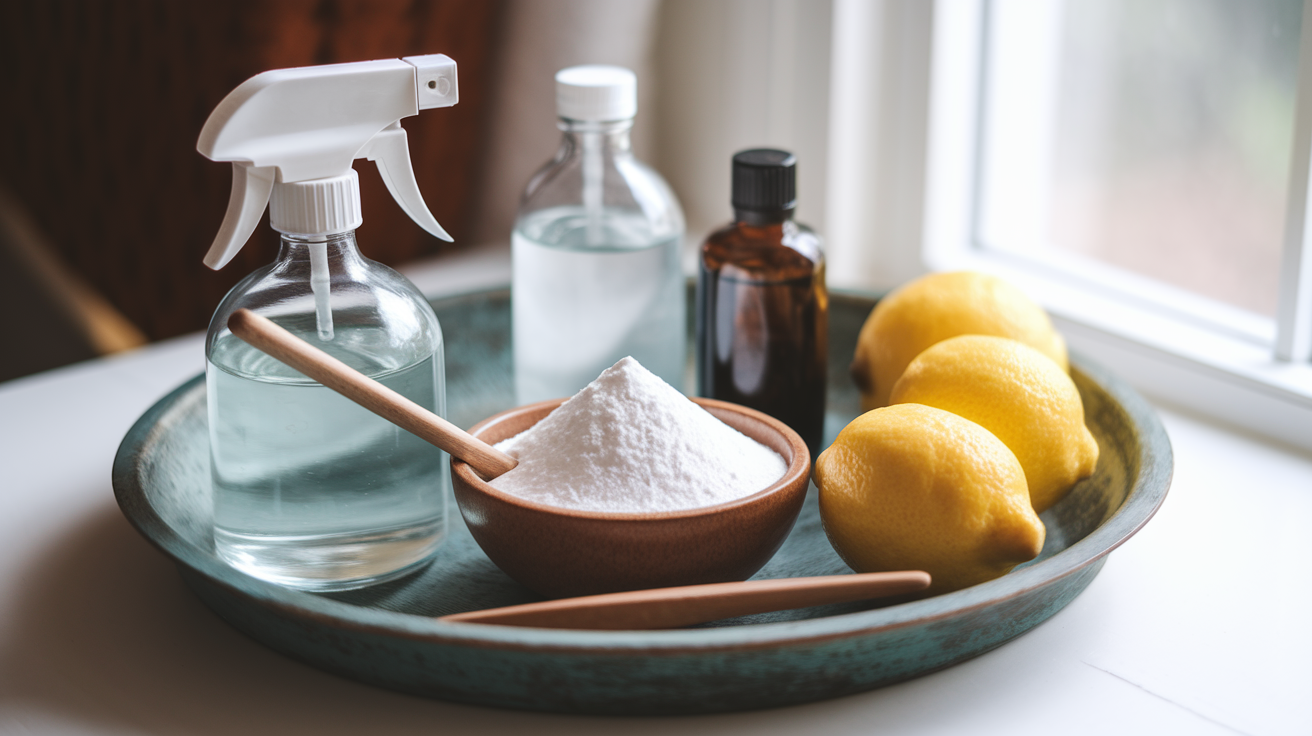
Natural mold removers work well for prevention, light mildew, and regular maintenance when you don’t need the heavy duty killing power of bleach. They’re appropriate for surface stains, ongoing prevention between deep cleans, and situations where you want to avoid harsh chemicals.
White vinegar solution. Fill a spray bottle with undiluted white vinegar (5% acidity). Spray directly on mildew, let it sit for one hour, then scrub with a brush and rinse. The acid kills many mold types, though not as completely as bleach. Reapply weekly for prevention.
Hydrogen peroxide treatment. Use 3% hydrogen peroxide straight from the bottle. Spray on moldy surfaces, wait 10 minutes for the bubbling action to work, then scrub and rinse. Works on tile, grout, and most non-porous surfaces. Safer than bleach but may still lighten some colored materials.
Baking soda paste. Mix 1/4 tablespoon baking soda with water to form a thick paste. Apply to moldy grout or tile, scrub with a brush, rinse, and dry. The mild abrasive action lifts stains without scratching. Good for light mildew and regular scrubbing.
Tea tree oil spray. Add 1 teaspoon tea tree oil to 1 cup water in a spray bottle. Shake well before each use. Spray on mold, don’t rinse. The natural antimicrobial properties prevent regrowth and eliminate musty odors. Strong smell initially but fades as it dries.
Borax solution. Dissolve 1 cup borax in 1 gallon hot water. Apply with a sponge or spray bottle, scrub moldy areas, and rinse thoroughly. Borax has disinfecting power stronger than vinegar. Wear gloves because borax irritates skin. Keep away from kids and pets.
DIY solutions cost significantly less than commercial products. A gallon of white vinegar runs about $3 and treats your entire bathroom multiple times. Hydrogen peroxide costs around $1 per bottle. Compare that to $8 to $15 for commercial mold removers. If you’re doing weekly prevention or maintaining a bathroom that rarely develops serious mold, natural options save money over time.
The trade off is effectiveness and speed. Natural solutions don’t kill all mold spores the way EPA registered disinfectants do. They work slower, often requiring longer contact times and more scrubbing. They excel at prevention and lifting surface stains but struggle with established black mold or growth that’s penetrated into porous materials. For serious infestations, you’ll still need commercial products with proven kill rates.
Preventing Bathroom Mold: Long-Term Moisture Control Strategies

Removing mold without fixing the moisture problem means you’ll be cleaning the same spots again in two weeks. Prevention focuses on controlling the humidity and water that feed mold growth.
Run exhaust fans during showers and for at least 20 minutes after you finish to clear moisture from the air. Install or upgrade ventilation systems if your current fan can’t keep up with steam and humidity. Use dehumidifiers in bathrooms that stay humid even with ventilation, especially in basements or windowless rooms.
Fix leaks immediately. Dripping faucets, pipe connections under sinks, failing caulk around tubs and showers all create constant moisture. Squeegee shower walls and glass doors after every use to remove standing water before it evaporates into the air. Leave shower curtains or doors open between uses so air circulates and surfaces dry completely.
Maintain bathroom fixtures and re-caulk around tubs, showers, and sinks yearly before gaps develop. Keep a weekly cleaning schedule with prevention treatments, reapplying products like Wet & Forget every 7 days if growth starts reappearing.
The most effective prevention treats the environment, not just the surfaces. Humidity above 60% creates ideal mold conditions. An exhaust fan rated for your bathroom size (check the CFM rating) pulls moisture out before it condenses on walls and ceilings. A small bathroom dehumidifier costs $30 to $50 and can drop humidity 15 to 20 percentage points in chronically damp spaces.
Recurring mold points to structural problems that cleaning can’t solve. If mold keeps coming back in the same spot despite weekly treatments and good ventilation, you’re likely dealing with a hidden leak, inadequate waterproofing, or moisture penetrating from outside the bathroom. Mold appearing on ceilings often signals roof leaks or condensation issues in the attic. Growth along baseboards may indicate plumbing leaks inside walls or poor drainage outside. These situations need professional assessment. Contact water damage restoration specialists or waterproofing contractors who can find the source, repair the damage, and prevent new mold from establishing.
Fast-Acting Formulas for Severe Bathroom Mold Infestations
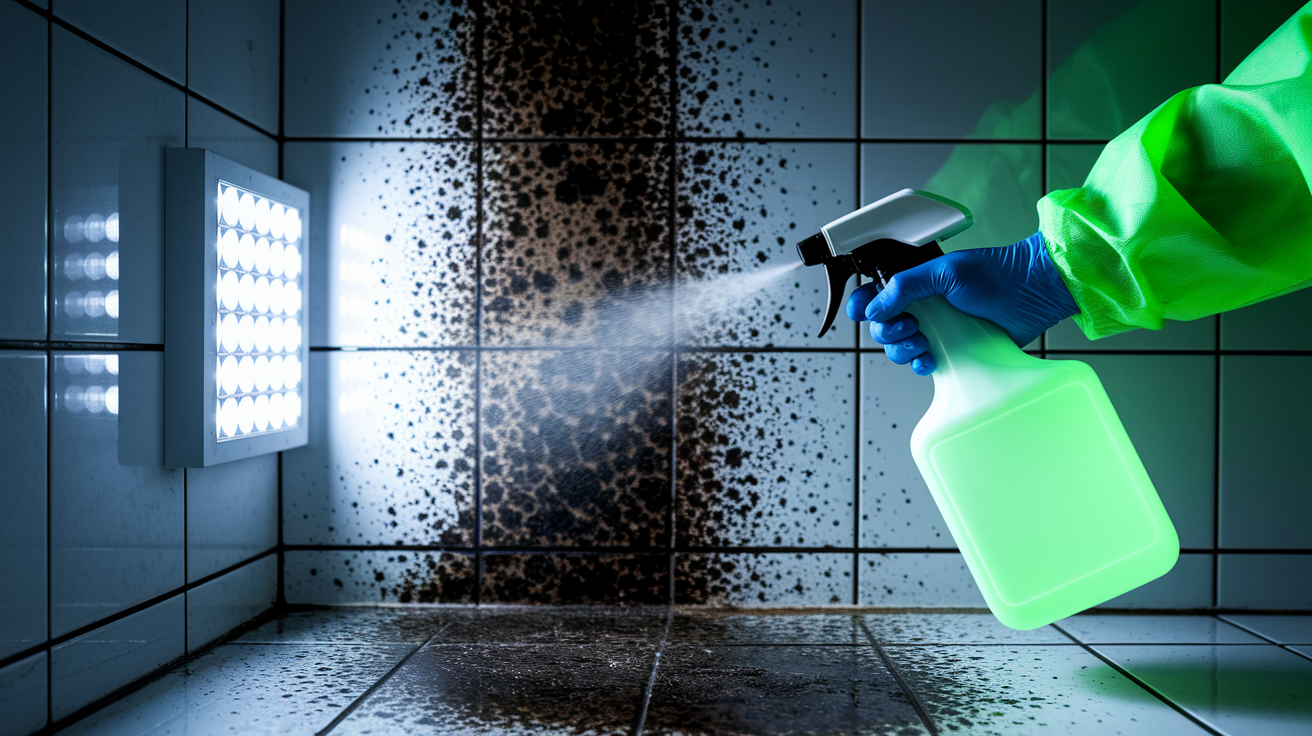
Severe infestations show coverage larger than a dinner plate, black mold growth, fuzzy raised textures, or mold appearing in multiple bathroom locations at once. These situations need aggressive treatment, not gentle maintenance products.
Bleach formulas like Clorox Tilex deliver the fastest kill times with the strongest disinfecting action. The 5 minute effectiveness means you can treat, rinse, and know you’ve eliminated 99.9% of mold, mildew, and bacteria in a single application. Professional grade concentrated formulas (available at janitorial supply stores) offer even higher bleach content for extremely stubborn growth. Some contractors use products with extended contact times, 10 to 15 minutes, for deeper penetration into porous surfaces like unsealed grout or drywall.
For severe cases, plan on multiple treatments spaced 24 to 48 hours apart. The first application kills surface mold and loosens stains. The second treatment reaches mold the first pass didn’t eliminate. After killing the mold, follow up with a separate disinfecting step using a bathroom disinfectant to ensure complete sanitation. Dry everything thoroughly between treatments and run exhaust fans continuously to prevent new spores from settling while surfaces are still damp.
Warning signs that the situation requires professional intervention instead of DIY treatment:
Mold coverage exceeding 2 square feet (larger than a standard floor tile). Mold returning within days after aggressive bleach treatment and proper drying. Musty odors that persist even after cleaning and airing out the bathroom. Mold appearing on the ceiling or bulging through paint on walls (indicates growth inside the structure). Health symptoms like persistent coughing, headaches, or breathing difficulty that worsen when you’re in the bathroom.
How Cleaning Labs Test and Rate Mold Removal Products

Independent lab testing gives you data that manufacturer claims can’t provide. Testing facilities create controlled conditions to measure exactly how well products perform against specific mold and mildew strains.
Laboratory protocols start with growing standardized mold cultures on bathroom materials like tile, grout, and plastic. Testers apply products according to label instructions, then measure kill rates at specific time intervals (1 minute, 5 minutes, 10 minutes, etc.). They test surface compatibility by treating different materials and checking for discoloration, etching, or damage after 24 hours. Safety analysis examines ingredient lists against EPA standards and documents VOC levels and fume intensity. Labs also scan labels for proper warning language and usage instructions to ensure consumers get clear safety information.
Consumer panel testing adds real world perspective that lab data can’t capture. Testing organizations like the Good Housekeeping Institute (with over 120 years of product evaluation experience) pair lab results with home testers who use products in their actual bathrooms. Testers report on ease of application, whether foam actually clings to vertical surfaces as claimed, if spray nozzles clog, whether the product has a workable consistency. They rate odor from “no smell” to “requires open windows” based on real enclosed bathroom conditions. Value perception comes from whether testers felt the product delivered results worth the price. Most importantly, they follow manufacturer instructions exactly as written to see if typical consumers can achieve the advertised results.
Key evaluation criteria that determine product rankings:
Kill rate percentage and timeframe (99.9% in 5 minutes beats 90% in 10 minutes). Stain removal effectiveness on white grout, colored grout, tile, and caulk. Surface safety across painted walls, drywall, glass, plastic, metal fixtures, and various tile types. User experience factors including odor intensity, ease of application, whether rinsing is required, and whether results match label claims.
Cost Analysis: Budget vs Premium Bathroom Mold Removers

Price doesn’t always indicate effectiveness. Cost differences come from bottle size, ingredient certifications, specialty formulations, and brand positioning. Here’s what you actually get at different price points.
| Price Range | Product Type | Typical Coverage | Best For |
|---|---|---|---|
| Under $5 | DIY solutions, vinegar, hydrogen peroxide, baking soda | Multiple bathrooms per gallon | Prevention, light mildew, regular weekly maintenance |
| $5-$10 | Basic bleach sprays, generic mold removers | One average bathroom | Standard cleaning, occasional mold spots, budget-conscious households |
| $10-$20 | Name brands, EPA Safer Choice certified, specialty formulas | One large bathroom or two small ones | Safer ingredients, specific surfaces like grout, regular serious use |
| Over $20 | Professional-grade, concentrated formulas, outdoor large-area treatments | Multiple bathrooms or entire house exterior | Severe infestations, commercial use, outdoor applications, bulk treatments |
Premium products justify higher cost when you’re dealing with severe mold that needs fast, reliable elimination. Clorox Tilex costs more than generic bleach spray but kills 99.9% of mold in 5 minutes with consistent results. EPA Safer Choice certified products like CLR command premium prices because they meet strict federal safety standards for every ingredient. Specialty formulas designed for specific surfaces (grout whitening, outdoor siding, colored tile) cost more because they solve problems general cleaners can’t handle. Professional grade concentrates seem expensive per bottle but dilute to treat much larger areas than ready to use sprays.
Budget options work fine for prevention, light mildew, and maintenance between deep cleans. A $3 gallon of white vinegar prevents mold just as well as a $15 specialty spray when you’re doing weekly touch-ups. Generic bleach bathroom cleaners ($5 to 7) kill mold effectively even though they lack brand recognition or fancy packaging. DIY solutions save money if you already prefer natural ingredients or have chemical sensitivities. The main limitation is speed and convenience. Budget options often require longer contact times, more scrubbing, or multiple applications to match premium product results.
Product Safety: Understanding Labels and Certifications

Product labels tell you what’s inside, what it does, and what precautions you need to take. Here’s how to read them for health and environmental considerations.
EPA Safer Choice certification means every ingredient meets Environmental Protection Agency safety standards. Products like CLR Mold & Mildew Clear and CLR Brilliant Bath carry this certification. It indicates safer chemistry compared to conventional formulas.
Active ingredient disclosure tells you whether the product uses bleach (sodium hypochlorite), hydrogen peroxide, quaternary ammonium compounds (quats), or other active ingredients. This determines killing power, safety requirements, and surface compatibility.
VOC content and fume warnings matter because Volatile Organic Compounds create fumes during use. “Strong smell requiring ventilation” warnings mean you need open windows and exhaust fans running. Low VOC or unscented formulas produce minimal fumes.
Biodegradable and eco-friendly claims need third-party certifications beyond marketing language. EPA Safer Choice and similar programs verify environmental claims through testing.
Surface restriction warnings include specifics like “may discolor fabrics” (bleach products), “do not use on colored grout” (whitening formulas), or “test in inconspicuous area first.” These warnings prevent expensive damage.
Required protective equipment tells you exactly what you need. Labels state “use in well-ventilated area,” “wear rubber gloves,” or “wear eye protection.” These aren’t suggestions. They’re safety requirements based on chemical properties.
Disposal instructions vary by product. Some formulas can go down the drain. Others need hazardous waste disposal. Follow local regulations and label guidance.
If you have respiratory issues like asthma or COPD, avoid products with “strong fumes” or “requires ventilation” warnings. Hydrogen peroxide and EPA Safer Choice certified formulas produce fewer respiratory irritants than bleach. Chemical sensitivities call for unscented, low VOC options or natural alternatives like vinegar. People with skin conditions should always wear rubber gloves regardless of product type, because even “gentle” formulas can cause irritation during prolonged contact.
You’ll constantly balance effectiveness against environmental and health safety. Bleach products kill mold most reliably but carry higher chemical exposure and environmental impact. Natural solutions minimize chemical concerns but may not eliminate severe mold completely. EPA Safer Choice certified products split the difference. Effective cleaning with safer ingredient profiles. Read labels completely before purchasing, and choose based on your specific health needs, ventilation capacity, and the severity of mold you’re treating.
Professional Mold Remediation: When DIY Isn’t Enough
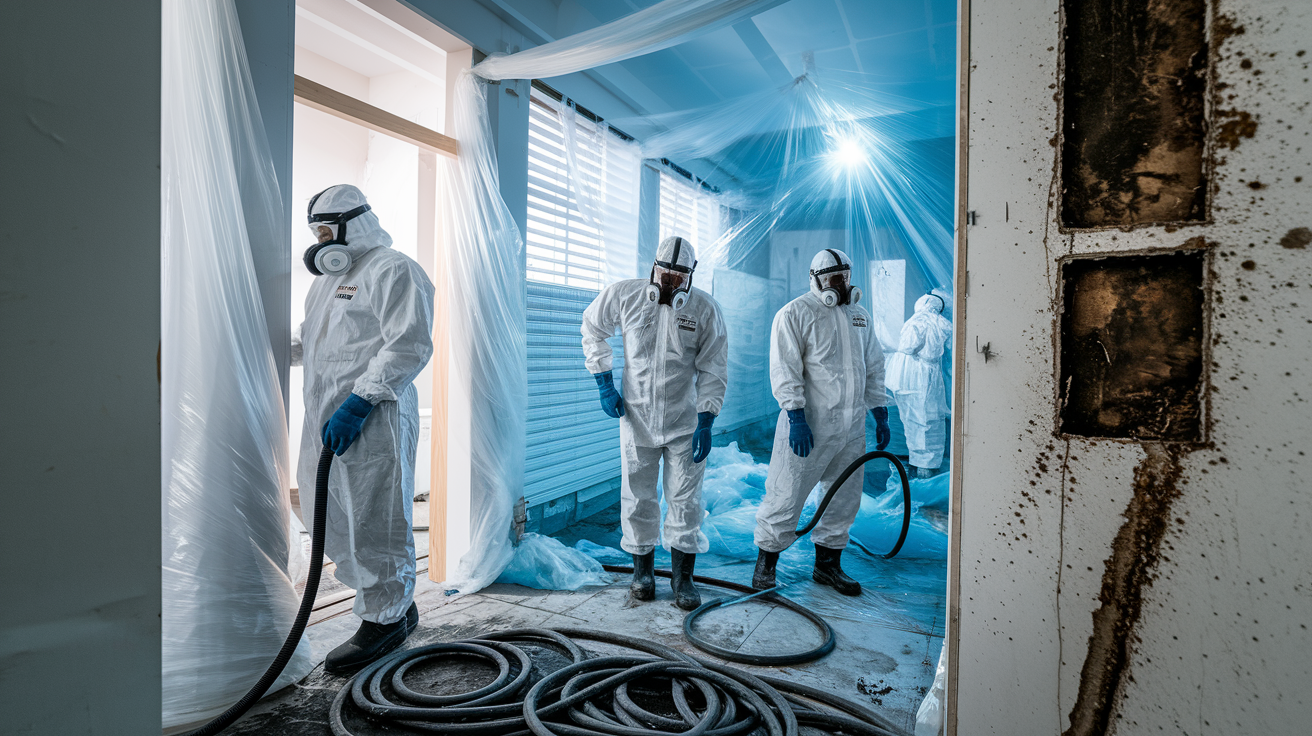
Consumer mold removers work on surface growth you can see and reach. They can’t address mold growing inside walls, contaminated ventilation systems, or structural moisture problems that cause recurring infestations.
Situations requiring professional remediation instead of store bought products:
Mold coverage exceeding 2 square feet (about the size of a standard floor tile or larger). Mold within HVAC systems, air ducts, or bathroom exhaust fan housings where spores spread to other rooms. Mold caused by contaminated water from sewage backups or flooding, which carries bacteria and pathogens beyond typical bathroom mold. Structural damage accompanying mold growth like warped baseboards, bulging drywall, or soft spots in walls and ceilings. Immunocompromised household members including people with asthma, allergies, weakened immune systems, or chronic respiratory conditions. Recurring mold that returns within days despite repeated treatments, proper drying, and ventilation improvements.
Professional remediation includes services DIY products can’t provide. Contractors set up containment barriers with plastic sheeting and negative air pressure to prevent mold spores from spreading during removal. They use commercial grade air filtration systems with HEPA filters to capture airborne spores. The work includes complete source elimination, removing contaminated materials like drywall, insulation, or subflooring that can’t be adequately cleaned. After removal, professionals treat affected areas with antimicrobial solutions and verify the space is clear through air quality testing.
Finding qualified contractors means checking for proper certifications from organizations like the Institute of Inspection, Cleaning and Restoration Certification (IICRC). Ask for a detailed scope of work that explains what they’ll remove, how they’ll contain the area, and what prevention steps they’ll take. The best contractors focus on addressing underlying causes like plumbing leaks, inadequate waterproofing, or ventilation deficiencies. If your bathroom mold stems from water damage like a toilet overflow, burst pipe, or roof leak, the remediation work needs to fix the moisture source to prevent immediate recurrence. A mold removal company that doesn’t address why the mold grew in the first place is just setting you up for the same problem next month.
Final Words
Picking the best mold remover for bathroom use comes down to what you’re dealing with right now and what surfaces need treatment.
If you’re tackling light mildew on shower tile, an EPA Safer Choice option like CLR Mold & Mildew Clear works without harsh fumes. For tougher growth on grout or stubborn stains, Clorox Tilex kills 99.9% of spores in 5 minutes.
Match the formula to the job, follow contact time instructions, and wear gloves. Most bathroom mold cleans up fast with the right product and a little ventilation.
FAQ
What is the best product to kill mold in a bathroom?
The best product to kill mold in a bathroom is Clorox Tilex Mold and Mildew Remover Spray, which kills 99.9% of mold and mildew germs plus bacteria in just 5 minutes with its bleach-based formula.
How do you remove black mold in a bathroom?
You remove black mold in a bathroom by wearing protective gear (eyewear, rubber gloves, face covering), applying a bleach-based spray like Clorox Tilex, allowing 5-10 minutes contact time, scrubbing if needed, then rinsing thoroughly while ensuring proper ventilation throughout the process.
How do I permanently remove mold from my bathroom walls?
You permanently remove mold from bathroom walls by treating the visible growth with an effective mold remover, fixing the underlying moisture source (leaks, poor ventilation), running exhaust fans during and after showers, and maintaining regular prevention treatments to stop regrowth.
What gets rid of mold in bathrooms?
Mold in bathrooms can be removed with commercial bleach-based sprays like Clorox Tilex, EPA Safer Choice certified cleaners like CLR Mold & Mildew Clear, or natural solutions like white vinegar and hydrogen peroxide, depending on severity and surface type.
Can I use the same product on all bathroom surfaces?
You cannot use the same product on all bathroom surfaces because bleach-based cleaners may discolor colored grout and fabrics, while some whitening formulas like CLR Brilliant Bath cannot be used on colored grout and require matching the product to your specific surface material.
How long does mold remover need to sit before wiping?
Mold remover needs to sit for different contact times depending on the product: Clorox Tilex requires 5 minutes, Mold Armor needs 10 minutes, and some products like Wet & Forget can simply air dry without wiping for maximum effectiveness.
Is white vinegar as effective as bleach for killing mold?
White vinegar is less effective than bleach for killing mold because natural solutions may not eliminate all spores and work slower, though vinegar works well for prevention, light mildew, and situations where you prefer chemical-free options over the 99.9% kill rate bleach provides.
When should I call a professional for bathroom mold?
You should call a professional for bathroom mold when the moldy area exceeds 2 square feet, multiple mold spots appear throughout your bathroom, growth returns within days after treatment, or you notice persistent musty odors and structural damage.
Do foam formulas work better than spray products?
Foam formulas work better than spray products on vertical surfaces like shower walls and tile because the foam clings to the surface longer, providing better contact time and coverage without running down before the product can work effectively.
What safety gear do I need for mold removal?
You need eyewear, rubber gloves, and a face covering as minimum safety gear for mold removal, plus proper ventilation through exhaust fans and open windows, especially when using bleach-based products that emit strong fumes.
Are EPA Safer Choice products effective against mold?
EPA Safer Choice products like CLR Mold & Mildew Clear are effective at removing mold stains but cannot kill existing mold spores because they don’t contain bleach, making them better suited for stain removal and prevention rather than active infestations.
How often should I reapply mold prevention products?
You should reapply mold prevention products like Wet & Forget every 7 days if growth reappears, along with maintaining weekly deep cleaning schedules and running exhaust fans during and 20 minutes after every shower.
