
You just found out your insurance covers “residential restoration,” but what does that actually mean when you’re standing in front of water damage or fire residue? Most homeowners discover restoration includes way more than basic cleanup—it’s emergency response, specialized equipment, structural repairs, and coordinating everything so you’re not managing five different contractors while dealing with insurance paperwork. Professional restoration covers the complete recovery process from the moment damage happens to the day your home works like normal again, and knowing what’s included helps you make faster decisions when every hour counts.
Comprehensive Service Scope: What Professional Residential Restoration Includes
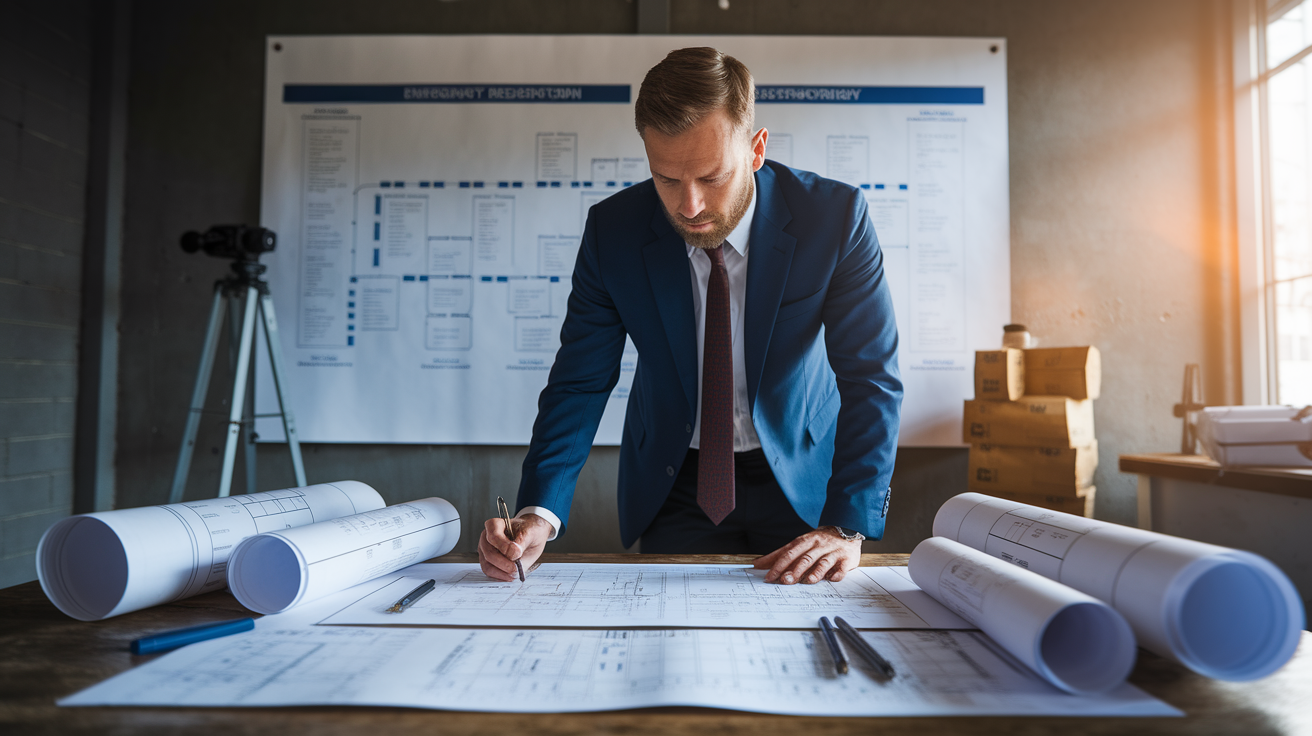
Residential restoration takes care of everything from the moment disaster hits to the day your home feels normal again. It’s a coordinated process that covers emergency stabilization, cleanup, repairs, and rebuilding. You’re not juggling five different contractors or trying to figure out who does what.
Professional restoration handles damage from multiple sources. Water intrusion from burst pipes or flooding. Fire and smoke contamination. Mold growth. Storm damage from wind and hail. Structural failures. The process follows a clear path: emergency response, damage assessment, mitigation to stop things from getting worse, thorough cleanup and sanitization, and complete reconstruction back to how things were before the loss.
| Service Category | What’s Included | Typical Timeline | Cost Range | DIY vs. Professional Threshold |
|---|---|---|---|---|
| Water Damage Restoration | Extraction, drying, dehumidification | 3-5 days mitigation, 1-3 weeks reconstruction | $1,200-$5,000 | Professional for category 2-3 water, >10 sq ft affected, or structural damage |
| Fire and Smoke Damage | Soot removal, odor elimination, structural repair | 2-6 weeks | $2,500-$25,000+ | Always professional for safety and insurance |
| Mold Remediation | Containment, removal, air quality restoration | 1-5 days | $500-$6,000 | Professional for areas >10 sq ft or HVAC contamination |
| Storm Damage Repair | Roof tarping, debris removal, water mitigation | 2-8 weeks | $2,000-$50,000+ | Professional for roof damage, structural issues, or extensive water intrusion |
| Structural Repairs | Drywall, flooring, electrical, plumbing | 1-6 weeks | $1,500-$30,000+ | Professional for load-bearing repairs, permits required, or systems work |
| Content Restoration | Pack-out, cleaning, storage, return | Varies | $500-$5,000+ | Professional for valuable items, electronics, or extensive smoke/water damage |
| Emergency Response | 24/7 assessment, immediate mitigation | 24-48 hours | $200-$1,000 | Professional for safety, documentation, rapid response |
| Insurance Documentation | Claims support, adjuster coordination | Throughout process | Often included | Professional to maximize claim success |
The decision between DIY and professional restoration depends on a few critical factors. How extensive is the damage? Is it basic cleanup or are we talking structural intervention? Contamination level matters a lot. Sewage-contaminated water or smoke penetration needs specialized cleaning and protective equipment you probably don’t have sitting in your garage. Structural involvement makes professional service essential when damage affects framing, electrical systems, plumbing, or load-bearing components. Insurance requirements typically mandate professional documentation and licensed contractors for claims approval. Safety hazards from contaminated water, compromised structures, electrical risks, or airborne contaminants require professional equipment and training.
Professional restoration gives you coordinated single-source service managing all phases from emergency response through final reconstruction. Certified technicians bring specialized training in damage assessment, proper mitigation techniques, and safe handling of hazardous conditions. Commercial grade equipment achieves thorough drying, complete smoke removal, and comprehensive cleaning that’s impossible with consumer tools. Insurance support through detailed documentation, adjuster coordination, and claims expertise typically results in better coverage and faster reimbursement. These combined factors deliver faster recovery, more complete restoration, and better long-term outcomes than DIY approaches for anything beyond minor, localized damage affecting small areas without contamination or structural concerns.
Water Damage Restoration Process and Techniques

Water damage creates one of the most common needs for professional restoration services. Quick response within 24 hours makes the difference between manageable repairs and extensive mold growth, structural deterioration, and costs that go through the roof.
| Water Category | Source Examples | Contamination Level | Handling Requirements |
|---|---|---|---|
| Category 1 (Clean Water) | Supply lines, rain | Minimal | Standard extraction and drying |
| Category 2 (Gray Water) | Washing machines, dishwashers, toilet overflow | Moderate contaminants | Antimicrobial treatment required |
| Category 3 (Black Water) | Sewage, flooding | Highly hazardous pathogens | Full PPE, specialized disinfection, material removal |
Water extraction begins immediately using industrial grade pumps and commercial vacuums designed specifically for flood recovery. These truck-mounted or portable extractors remove standing water within hours, pulling hundreds of gallons more efficiently than any consumer shop vacuum. High powered extraction prevents water from continuing to absorb into walls, subflooring, and structural materials where it causes long-term damage.
The drying and dehumidification phase typically runs 3 to 5 days using specialized air movers and commercial dehumidifiers. Air movers create rapid airflow across wet surfaces, accelerating evaporation from carpets, padding, drywall, and wood. Industrial dehumidifiers remove 10 to 20 gallons of moisture daily from the air, far exceeding the 1 to 2 gallon capacity of consumer units. Technicians monitor progress daily using hygrometers to track humidity levels and moisture meters to verify materials are reaching safe dryness levels, typically below 15% moisture content for wood and under 1% for concrete.
Moisture detection equipment identifies hidden water that homeowners can’t see. Moisture meters use pin sensors or non-invasive scanning to detect elevated moisture levels inside walls, under flooring, and within structural cavities. Infrared thermal imaging cameras reveal temperature differentials created by evaporating water, showing exactly where moisture hides behind surfaces. This professional equipment prevents the most common DIY failure: missing hidden moisture that triggers mold growth within 24 to 48 hours, creating a bigger problem than the original water damage.
Final cleaning, sanitizing, and deodorizing complete the water damage restoration once structural drying verifies all materials have reached safe moisture levels. Antimicrobial treatments disinfect all affected surfaces, particularly crucial for category 2 and 3 water containing contaminants. Deodorizers eliminate musty smells caused by moisture absorption, and HEPA air filtration removes airborne particles stirred up during the restoration process.
Fire and Smoke Damage Restoration Services

Fire damage presents a dual challenge. Direct destruction from flames plus pervasive smoke and soot contamination that penetrates every porous surface in the property. Smoke residue travels through HVAC systems, absorbs into fabrics and furnishings, and leaves acidic deposits that continue damaging surfaces long after the fire is extinguished.
Immediate protective services secure the property against further damage and unauthorized entry. Emergency board up covers broken windows, damaged doors, and compromised entry points. Roof tarping prevents rain and weather from entering through fire damaged roofing, stopping water damage that compounds the original fire loss. These protective measures happen within hours of the fire, often before full damage assessment is complete.
Smoke and soot removal requires specialized cleaning agents and techniques matched to the specific type of soot. Dry soot from fast burning fires responds to different treatments than wet soot from smoldering low oxygen fires. Protein soot from kitchen fires requires enzymatic cleaners, while fuel oil soot needs petroleum based solvents. Professional technicians identify soot types and apply appropriate cleaning methods to each surface. HEPA air filtration runs continuously during cleaning, capturing airborne soot particles that would otherwise resettle on cleaned surfaces.
Advanced deodorization techniques completely eliminate smoke odors that simple air fresheners or surface cleaning can’t address. Thermal fogging introduces heated deodorizing particles that penetrate porous materials exactly like smoke did, neutralizing odor molecules deep within fabrics, wood, and drywall. Ozone treatments use O3 molecules to chemically alter smoke odor compounds at the molecular level, destroying odors rather than masking them. Air scrubbers equipped with activated carbon filters continuously remove airborne odor particles and volatile organic compounds released by smoke damaged materials. Hydroxyl generators provide safe continuous deodorization in occupied spaces, breaking down odor molecules without requiring property evacuation like ozone treatment demands.
Structural repairs address fire damaged walls, ceilings, and flooring after soot removal and deodorization prepare surfaces. This includes removing charred drywall, replacing burned framing members, installing new insulation, and preparing surfaces for the reconstruction phase. Fire restoration identifies which materials can be cleaned and salvaged versus which must be completely removed and replaced, balancing cost efficiency with safety and air quality requirements.
Mold Remediation in Residential Restoration

Mold remediation becomes necessary following water damage, typically within 24 to 48 hours of moisture exposure when conditions favor rapid spore growth. Professional remediation matters for health and indoor air quality, particularly when mold covers areas larger than 10 square feet or when growth contaminates HVAC systems that spread spores throughout the property.
The inspection and testing phase identifies both visible and hidden mold growth. Moisture meters pinpoint elevated moisture levels inside walls and structural cavities where mold thrives unseen. Air sampling captures spore counts and species identification, establishing baseline contamination levels. Surface testing uses tape lifts or swabs to identify mold types on materials, determining which species present health risks or indicate moisture problems requiring correction. This comprehensive assessment creates the remediation plan specifying containment requirements, removal methods, and air quality targets.
Containment procedures prevent mold spores from spreading to unaffected areas during removal work. Technicians seal off the work area with polyethylene barriers, creating a controlled zone. Negative air pressure machines continuously pull air from the containment area through HEPA filters before exhausting outside, ensuring spores can’t escape into clean areas. This creates a pressure differential keeping airborne contamination confined during the removal process.
Removal of affected materials happens for items that can’t be adequately cleaned. Drywall with extensive mold penetration, soaked insulation, contaminated carpeting and padding. Technicians bag and seal materials before removing them through the containment area. HEPA air purification runs continuously, capturing airborne spores disturbed during removal. Antimicrobial treatment of salvageable surfaces like wood framing, concrete, and tile uses EPA registered solutions that kill remaining mold and prevent regrowth.
Industry standards from IICRC S520 guidelines establish proper mold remediation protocols. Certified technicians follow these standards covering containment requirements, personal protective equipment, removal techniques, air filtration specifications, and final clearance testing. Certification ensures remediation addresses not just visible mold but also airborne spore levels and moisture problems that would cause recurrence.
Storm Damage Repair and Restoration Work

Storms create compound damage requiring coordinated multi-service response. A single severe weather event produces wind damage, hail impact, water intrusion from roof damage or flooding, fallen trees and debris, and sometimes fire damage from lightning strikes. Comprehensive storm restoration addresses all these related problems through integrated services.
Storm restoration services combine multiple specialties addressing different damage types. Emergency roof tarping prevents continuing water intrusion until permanent repairs can be completed, often weeks later when contractors work through backlogs following widespread storm events. Window and door board up secures property against weather exposure and unauthorized entry through damaged or destroyed openings. Debris removal and cleanup includes tree removal from structures, disposal of damaged building materials, and clearing yards and driveways of storm debris. Structural repairs from wind and hail damage address roof shingle or membrane replacement, siding repairs, damaged framing, and compromised structural elements. Water intrusion cleanup follows complete water damage protocols when roof leaks, broken windows, or flooding introduce moisture into the property. Insurance documentation coordinates with adjusters for comprehensive claim submission covering all related damage components rather than fragmenting into separate claims.
Storm restoration often requires multiple service categories working simultaneously. Roof tarping and board up happen immediately for weather protection. Water extraction and drying begin while structural assessment continues. Content pack out removes belongings to prevent further damage and allow access for repairs. This coordinated approach prevents the confusion and delays that happen when homeowners try managing separate contractors for roofing, water damage, reconstruction, and content cleaning.
Timeline variation depends on storm severity and the extent of community wide damage. Minor wind damage affecting shingles or siding might complete in 1 to 2 weeks. Major hurricane damage requiring roof replacement, water damage mitigation, mold remediation, and complete interior reconstruction can extend 2 to 3 months. Widespread regional damage creates contractor shortages and permitting delays that stretch timelines beyond typical restoration schedules. Coordination with local building departments for permit acquisition, inspection scheduling, and code compliance verification adds necessary steps to ensure repairs meet current standards.
Structural Repairs and Reconstruction in Restoration

Reconstruction begins after mitigation is complete, meaning all drying, cleaning, and stabilization work has verified the property is ready for rebuilding. Insurance adjusters must approve the scope of work and documented damage before reconstruction starts, ensuring coverage authorization before committing to repair expenses.
Demolition and removal work clears damaged materials that can’t be salvaged. This includes cutting out water damaged drywall, removing smoke penetrated insulation, disposing of mold contaminated materials, pulling up warped flooring and compromised subflooring, and removing any structural components weakened by fire, water, or age related deterioration. Proper disposal follows environmental regulations, particularly for materials containing asbestos, lead paint, or other hazardous substances common in older properties.
The rebuild process systematically restores structural integrity and interior finishes. Drywall replacement matches original wall textures through skilled finishing techniques that blend repairs invisibly with existing surfaces. Flooring installation includes subfloor repair or replacement when moisture has caused warping, cupping, or delamination, then installation of new flooring materials matching or upgrading original specifications. Ceiling repairs address both surface damage and any structural concerns with joists or trusses weakened by moisture, fire, or impact. Wall restoration includes insulation replacement, vapor barrier installation, and proper sealing to prevent future moisture intrusion and maintain energy efficiency.
Finish work completes the restoration with details that make repairs blend seamlessly. Painting with precise color matching to unaffected areas, often requiring custom tinting to match faded existing paint rather than relying on original color specifications. Trim and molding installation duplicating original profiles and details, sometimes requiring custom milling for older homes with unique architectural elements. Cabinet restoration or replacement when smoke, water, or fire has damaged kitchen or bathroom cabinetry beyond cleaning. Electrical system repairs addressing damaged outlets, light fixtures, switches, and wiring, with all work meeting current electrical code even if original installation was grandfathered. Plumbing repairs replacing damaged fixtures, supply lines, drain systems, and addressing any code upgrades required when permits are pulled for restoration work.
Timeline expectations for reconstruction depend on damage severity and permitting requirements. Moderate damage affecting one or two rooms typically completes in 2 to 6 weeks once materials are available and insurance approval is secured. Extensive damage requiring whole house reconstruction extends 2 to 3 months, longer if structural repairs need engineering review or if custom materials require extended lead times. This phase returns the property to pre-loss condition with proper building department inspections signing off on completed work before final occupancy.
Content Cleaning and Personal Property Restoration
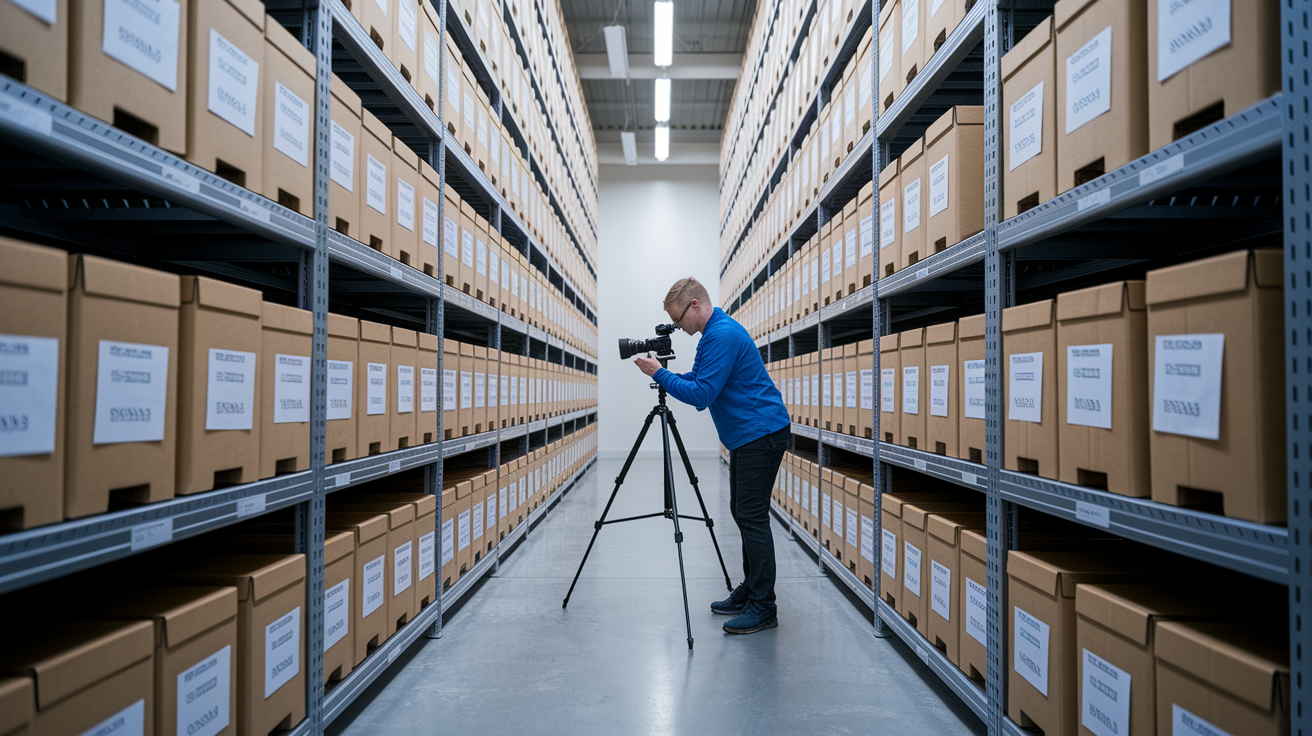
Restoration extends beyond structural repairs to salvage personal belongings with monetary and sentimental value. Content restoration services save items homeowners assume are total losses, from smoke damaged family photographs to water soaked furniture and electronics.
Pack out services systematically remove belongings to climate controlled facilities for specialized cleaning and secure storage during property repairs. Technicians create detailed inventory documentation with photographs of each item, noting pre-existing conditions and damage. This inventory supports insurance claims for items that can’t be restored and provides accountability during the cleaning and storage process. Pack out protects contents from additional damage during demolition, reconstruction, and painting, and provides space for workers to access all areas without working around furniture and belongings.
Content cleaning techniques match specific restoration methods to different materials and damage types. Ultrasonic cleaning immerses electronics and small items in tanks where high frequency sound waves create microscopic bubbles that lift contaminants without mechanical scrubbing that damages delicate components. Ozone chambers treat smoke damaged textiles, neutralizing odor molecules absorbed deep in fabric fibers through extended exposure to O3 gas. Freeze drying salvages water damaged documents and photographs by freezing them solid, then using vacuum chambers to sublimate ice directly to vapor, bypassing the liquid phase that causes ink bleeding and paper deterioration. Specialized wood restoration treats furniture with solutions that clean smoke residue, neutralize odors, and condition wood dried out by heat or desiccated by water damage. Photo restoration digitally scans and repairs damaged family photographs, creating archival prints when originals can’t be physically salvaged.
Family heirlooms, medical records, and legal documents receive extra care through specialized handling protocols. Textile conservators restore vintage clothing, quilts, and needlework using museum quality techniques. Document restoration specialists recover tax records, birth certificates, property deeds, and medical histories using gentle cleaning methods that preserve fragile papers. These specialized processes recognize that some items carry value beyond replacement cost.
Detailed inventory documentation with photographs supports insurance claims and provides accountability throughout the restoration process. The inventory specifies each item’s condition, cleaning method applied, restoration success, and ultimate disposition whether returned to the homeowner, deemed total loss, or replaced. The cleaning and restoration timeline typically runs 2 to 6 weeks depending on damage severity and the number of items requiring treatment. Return and reinstallation happens after reconstruction completes, with cleaned contents delivered back to the restored property. Homeowner verification ensures all items are accounted for and satisfaction with restoration results before closing out the contents portion of the insurance claim.
Insurance Claims Assistance and Documentation

Professional restoration companies work directly with insurance providers, often maintaining established relationships with major carriers that streamline the claims process. These relationships create familiarity with each carrier’s documentation requirements, preferred estimating software, and claims handling procedures that reduce approval delays.
Documentation services provide comprehensive evidence supporting insurance claims from initial loss through final repairs. Detailed damage assessment reports specify the scope of work, cause of loss, category of damage, and necessary remediation steps. Photographic evidence creates before, during, and after records showing initial damage, progressive restoration work, and completed repairs. Moisture readings and equipment logs document daily progress during drying, proving professional standards were maintained. Comprehensive repair estimates use industry standard software like Xactimate that insurance adjusters recognize, with line item pricing matching carrier databases for labor rates and material costs in your specific geographic area.
Insurance assistance services guide homeowners through the claims process. Claim documentation preparation includes initial emergency service reports and supplemental documentation when additional damage is discovered during restoration work. Adjuster communication and site meetings provide technical explanations of damage scope, necessary repairs, and industry standards supporting the restoration plan. Detailed cost estimates with line item breakdowns justify each repair element, material specification, and labor allocation using pricing databases adjusters trust. Timeline coordination matches insurance requirements for prompt mitigation, documented progress, and timely completion without unnecessary delays that might jeopardize coverage. Supplemental claim support addresses hidden damage discovered during demolition or drying, documenting why additional work beyond the initial scope is necessary and covered.
Coverage expectations vary based on policy terms and damage causes. Most homeowners insurance policies cover sudden and accidental damage like burst pipes, appliance failures, fires, lightning strikes, wind damage, and hail impact. Storm damage from hurricanes or tornadoes typically falls under standard coverage, though flood damage requires separate flood insurance policies. Policies exclude gradual damage from neglect, deferred maintenance, or pre-existing conditions like slow plumbing leaks, roof deterioration from age, or long-term moisture problems. Professional documentation with proper cause of loss identification distinguishes sudden covered events from gradual excluded damage, strengthening claims and reducing disputes. When adjusters understand the damage timeline and causation through clear professional documentation, claims move faster with fewer coverage challenges and better settlement outcomes.
Restoration Process Phases: From Emergency Response Through Completion

Residential restoration follows a structured multi-phase process designed to minimize damage, ensure safety, and return properties to pre-loss condition. Each phase builds on the previous work, creating an organized progression from crisis to complete recovery.
| Phase | Timeline | Key Activities | Goal |
|---|---|---|---|
| Emergency Response | 0-24 hours | 24/7 availability, immediate contact, site assessment, safety evaluation | Stop damage progression and secure property |
| Inspection & Assessment | 24-48 hours | Detailed damage evaluation, moisture detection, contamination testing, documentation | Determine full scope and create restoration plan |
| Mitigation & Stabilization | 1-5 days | Water extraction, board-up, content pack-out, initial cleaning | Prevent secondary damage and stabilize environment |
| Restoration & Repair | 1-6 weeks | Drying, cleaning, repairs, material replacement, systems restoration | Address all damage and restore functionality |
| Final Inspection & Monitoring | Final days | Quality checks, moisture verification, air quality testing, homeowner walkthrough | Ensure complete restoration and prevent future issues |
Emergency response through assessment focuses on rapid intervention within 24 hours to document damage, secure the property, and prevent secondary damage. The emergency response phase answers the initial call, dispatches crews immediately, and performs safety evaluation to identify structural hazards, electrical dangers, or contamination requiring protective equipment. Site assessment determines damage category, extent of affected areas, and immediate mitigation needs. This rapid response stops damage progression, because every hour of delay allows water to spread further into materials, smoke odors to penetrate deeper, or mold spores to begin colonization. Secondary damage from delayed response often costs more than primary damage from the original incident.
Mitigation work stops damage progression through extraction, drying, containment, and stabilization rather than addressing final repairs. Water extraction removes standing water and moisture from materials before it causes additional structural damage. Board up and tarping secure the property against weather, vandalism, and liability from injured trespassers. Content pack out protects belongings from ongoing exposure and clears space for mitigation equipment. Initial cleaning removes immediate hazards like sewage contamination or chemical residues. Mitigation phase prevents the exponential cost increases that happen when water damage becomes mold contamination, or when smoke residue continues etching glass and corroding metals. The goal is stabilization, not restoration.
Reconstruction through completion rebuilds the property to pre-loss condition with proper code compliance and quality verification. The restoration and repair phase includes complete drying verified by moisture meters showing materials have reached safe levels, thorough cleaning and sanitization addressing contamination, material replacement for items that can’t be salvaged, and systems restoration bringing electrical, plumbing, and HVAC back to full function. Final inspection verifies quality through moisture readings confirming no hidden dampness remains, air quality testing showing mold spore counts have returned to normal levels, and comprehensive homeowner walkthrough explaining all completed work. This final phase ensures restoration meets insurance requirements, building code standards, and homeowner satisfaction.
Ongoing monitoring recommendations and warranties typically cover restoration work for specified periods. Many restoration companies provide moisture warranties guaranteeing dried materials remain dry, structural warranties on reconstruction work, and mold warranties ensuring remediated areas remain mold free when moisture problems have been properly corrected. These warranties protect homeowners against restoration failures and provide recourse if problems reappear.
Professional Equipment and Techniques Used in Restoration
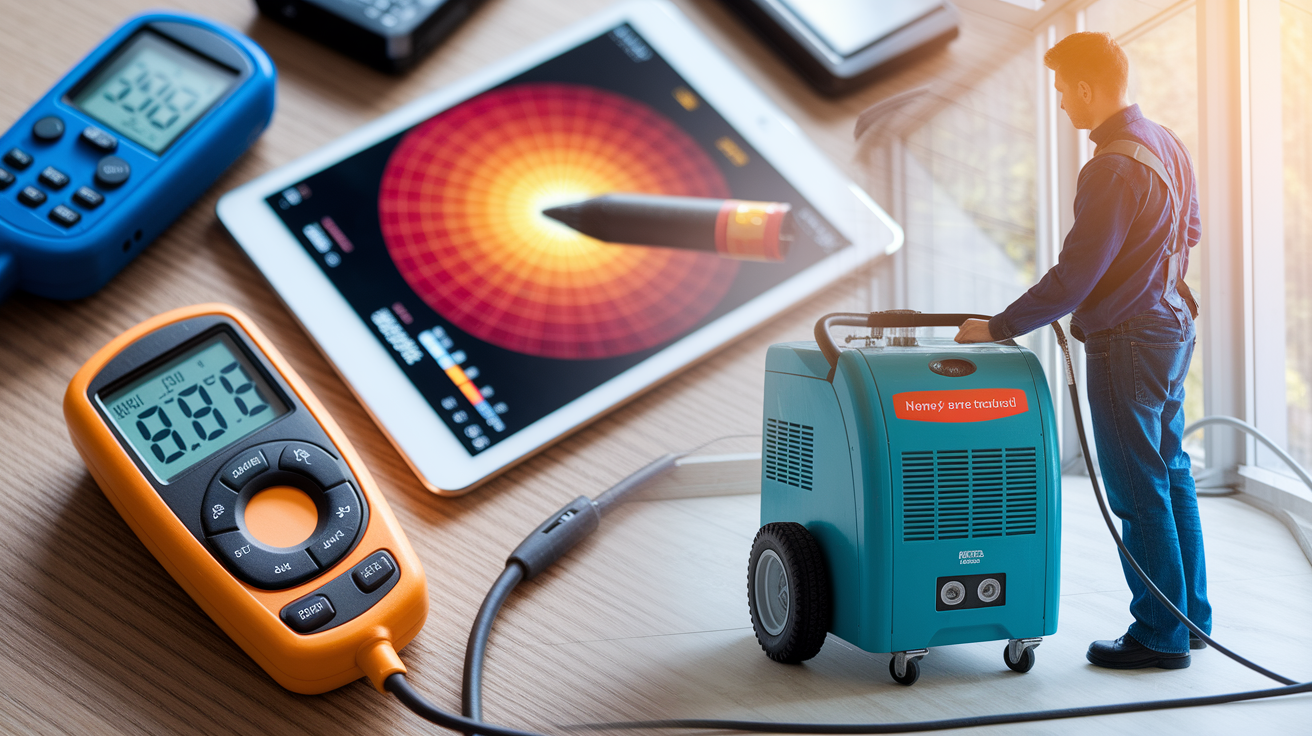
A significant equipment and knowledge gap separates DIY consumer tools from professional restoration capabilities. Homeowners attempting restoration with shop vacuums, box fans, and household dehumidifiers discover their equipment can’t match the scale, power, or effectiveness of commercial restoration technology.
Moisture detection and assessment tools identify problems invisible to homeowners. Moisture meters use pin type sensors that penetrate materials or non-invasive scanning technology that detects moisture through surfaces without drilling holes. These meters show exact moisture content percentages, distinguishing between acceptable levels and readings requiring continued drying. Infrared thermal imaging cameras reveal hidden water damage, insulation gaps, and temperature differentials invisible to the naked eye by displaying heat signatures where evaporating water creates cooling effects. The visual thermal maps show exactly where moisture hides behind walls, under flooring, and in ceiling cavities. Hygrometers measure relative humidity levels in the air, verifying when drying equipment has pulled enough moisture from the environment to allow materials to release absorbed water. Thermo-hygrometers track environmental conditions throughout restoration, documenting temperature and humidity combinations that prove proper drying conditions were maintained daily.
Water extraction and drying equipment operates at industrial capacity far exceeding consumer equipment. Truck-mounted extractors generate vacuum power 10 to 20 times stronger than shop vacuums, pulling hundreds of gallons from carpets, padding, and porous materials in hours rather than days. Portable extractors serve upper floors and areas inaccessible to truck-mounted units, still delivering commercial suction power consumer equipment can’t approach. Commercial dehumidifiers remove 10 to 20 gallons of moisture daily from the air compared to 1 to 2 gallons for consumer units sold at home improvement stores. High velocity air movers rated at commercial CFM (cubic feet per minute) specifications create the rapid airflow across surfaces that accelerates evaporation. Injectidry systems pump heated air into wall cavities, under flooring, and through structural assemblies, drying these hidden spaces without demolition by forcing moisture out through natural building openings.
Air quality and specialty equipment addresses contamination that cleaning alone can’t resolve. HEPA air scrubbers equipped with filters removing 99.97% of particles as small as 0.3 microns capture mold spores, soot particles, and other airborne contaminants during restoration work. Negative air machines maintain containment during mold or asbestos work by continuously exhausting air through filtration, preventing contaminated air from reaching clean areas. Hydroxyl generators provide continuous deodorization in occupied spaces using UV technology that safely breaks down odor molecules without requiring property evacuation. Ozone generators deliver powerful molecular odor destruction for severe smoke or organic contamination, though they require evacuation during treatment. Thermal foggers distribute heated deodorizing particles that penetrate porous materials exactly like smoke did, neutralizing embedded odors. Antimicrobial application equipment applies EPA registered disinfectants through electrostatic sprayers that wrap charged particles around surfaces for complete coverage.
IICRC certification represents industry standard training in specialized restoration disciplines. The Institute of Inspection Cleaning and Restoration Certification offers recognized credentials including Water Damage Restoration Technician (WRT) covering water categories, extraction methods, psychrometry, and drying science. Fire and Smoke Restoration Technician (FSRT) addresses soot types, cleaning methods, deodorization techniques, and safety protocols. Applied Microbial Remediation Technician (AMRT) covers mold identification, containment requirements, removal methods, and air quality standards. Certification matters because it proves technicians understand proper techniques, safety protocols, and industry standards that insurance companies require and that protect homeowners from inadequate restoration leaving long-term problems.
Final Words
Residential restoration covers way more than just cleanup. It’s a full-scale response from emergency board-up and water extraction through final paint and flooring that brings your home back to normal.
What’s included in residential restoration depends on your damage type, but professional teams handle everything: extraction, drying, mold prevention, smoke odor removal, structural repairs, and even content cleaning for your furniture and personal items.
Most importantly, certified crews use commercial equipment and proven methods that stop hidden problems before they turn into bigger headaches down the road. One call gets the whole job done right.
FAQ
What are the 4 pillars of restoration?
The 4 pillars of restoration are emergency response, damage assessment, mitigation to stop damage progression, and reconstruction to return the property to pre-loss condition. These phases work together to provide comprehensive recovery from water, fire, mold, or storm damage.
What does restoration consist of?
Restoration consists of emergency stabilization, detailed damage evaluation, water extraction or debris removal, structural drying or cleanup, repairs to damaged materials, and reconstruction of affected areas. The process addresses both primary damage and prevents secondary damage like mold growth or structural deterioration.
What are the 5 steps of restoration?
The 5 steps of restoration are emergency response within 24 hours, inspection and damage assessment with specialized equipment, mitigation and stabilization to prevent further harm, restoration and repair of damaged structures and systems, and final inspection with quality verification. Each phase builds on the previous to ensure complete recovery.
What’s the difference between renovation and restoration?
The difference between renovation and restoration is that renovation updates or improves a property beyond its original condition, while restoration returns damaged property to its pre-loss state following water, fire, or storm damage. Restoration focuses on repair and recovery, not upgrades or modernization.
How long does water damage restoration typically take?
Water damage restoration typically takes 3 to 5 days for structural drying and mitigation, with reconstruction extending 1 to 3 weeks depending on damage extent. Category 2 or 3 water contamination may require additional time for proper disinfection and material removal.
When should you call a professional restoration company instead of handling damage yourself?
You should call a professional restoration company when water affects more than 10 square feet, involves category 2 or 3 contamination, includes structural damage, requires insurance documentation, or presents safety hazards. Professional equipment and expertise prevent hidden moisture problems and long-term structural issues.
What water damage categories require professional restoration?
Water damage categories requiring professional restoration are category 2 gray water from appliances with moderate contaminants and category 3 black water from sewage or flooding with hazardous pathogens. Category 1 clean water may need professional help if the affected area exceeds 10 square feet or involves structural materials.
How quickly can mold start growing after water damage?
Mold can start growing within 24 to 48 hours after water exposure, making rapid professional response critical to prevent contamination. Professional restoration includes moisture detection with infrared cameras and meters to find hidden water pockets that homeowners miss before mold develops.
What equipment do professional restoration companies use that homeowners don’t have?
Professional restoration companies use truck-mounted extractors 10 to 20 times more powerful than shop vacuums, commercial dehumidifiers removing 10 to 20 gallons daily, infrared thermal imaging cameras detecting hidden moisture, and HEPA air scrubbers removing 99.97% of airborne particles. This equipment delivers faster, more complete drying and cleanup.
Does homeowners insurance cover residential restoration services?
Homeowners insurance typically covers residential restoration services for sudden or accidental damage like burst pipes, fires, appliance failures, and storms. Policies exclude gradual damage from slow leaks, lack of maintenance, or pre-existing conditions, making professional documentation important for claim success.
What is included in fire damage restoration services?
Fire damage restoration services include emergency board-up and roof tarping, soot and smoke removal with specialized cleaning agents, advanced deodorization using thermal fogging and ozone treatments, HEPA air filtration, and structural repairs to walls, ceilings, and flooring. The process addresses both direct fire destruction and pervasive smoke contamination.
How do restoration companies help with insurance claims?
Restoration companies help with insurance claims by preparing detailed damage documentation with photos, providing Xactimate cost estimates with line-item breakdowns, coordinating adjuster site meetings, communicating scope changes, and supporting supplemental claims when hidden damage appears. This professional documentation strengthens claims and reduces disputes.
What is the mitigation phase in restoration?
The mitigation phase in restoration stops damage progression through water extraction, structural drying, containment barriers, debris removal, and initial cleaning within 1 to 5 days of the incident. Mitigation prevents secondary damage like mold growth or structural deterioration before reconstruction begins.
What certifications should professional restoration technicians have?
Professional restoration technicians should have IICRC certification in water damage restoration, fire and smoke restoration, or mold remediation representing industry-standard training. Certification ensures proper techniques, safety protocols, and insurance compliance for handling contaminated materials and specialized equipment.
What happens during content pack-out and cleaning?
Content pack-out and cleaning systematically removes personal belongings to climate-controlled facilities for specialized restoration including ultrasonic cleaning for electronics, ozone chambers for smoke-damaged textiles, freeze-drying for water-damaged documents, and furniture restoration. Full inventory documentation with photos supports insurance claims during the 2 to 6 week process.
