
Most homeowners think restoration just means cleanup after a flood or fire, but here’s the truth: it’s a multi-phase process that covers way more than you’d expect. From the first emergency call through the final reconstruction walkthrough, residential restoration handles everything needed to bring your home back to pre-loss condition. This guide walks you through what’s actually covered, what insurance pays for, and how the process works so you know what to expect when disaster hits.
Comprehensive Overview of Residential Restoration Services

Residential restoration is the full process of bringing damaged homes back to pre-loss condition after sudden disasters like water leaks, fires, storms, or mold outbreaks. It’s not the same as remodeling or home improvement. Restoration focuses on emergency response, damage control, and rebuilding what got wrecked by something you didn’t see coming. The work needs specialized equipment, industry certifications, and coordinated insurance communication. All of it aimed at stabilizing things, stopping more damage, and methodically restoring each affected system and surface in your home.
Services run from the first emergency call through the final walkthrough after reconstruction. Restoration companies tackle both visible damage you can see and hidden problems buried behind walls, under floors, or inside HVAC systems. Whether it’s pulling moisture from inside wall cavities three rooms away from the original leak, or neutralizing acidic soot before it permanently etches your kitchen cabinets, professional restoration covers the full scope of recovery. Not just the surface cleanup.
Core residential restoration services include:
- Water damage extraction and structural drying
- Fire damage repair and structural stabilization
- Soot and smoke residue removal
- Smoke odor elimination using industrial deodorization
- Mold remediation and antimicrobial prevention treatments
- Storm damage repairs including roof and siding
- Structural reconstruction (drywall, flooring, cabinetry, trim)
- Emergency board-up and tarping to prevent further damage
- Contents and personal property restoration
- Sewage cleanup and sanitization for contaminated water
- HVAC cleaning and air quality restoration
- Debris removal and selective demolition
- Insurance coordination and complete claims documentation
| Service Category | What’s Covered | Typical Exclusions |
|---|---|---|
| Water Damage | Sudden and accidental events like burst pipes, appliance malfunctions, roof leaks from storm damage, firefighting water | Gradual leaks, poor maintenance, seepage, sump pump failure (sometimes), foundation cracks from settling |
| Fire and Smoke Damage | Fire damage repair, soot removal, smoke odor treatment, water damage from firefighting efforts, structural repairs | Arson, intentional fires, damage from unattended candles or smoking materials in some policies |
| Mold Remediation | Mold growth resulting from covered water damage events, containment, removal, antimicrobial treatment | Mold from long-term neglect, ongoing moisture from poor ventilation, pre-existing mold conditions |
| Storm Damage | Wind damage, hail damage, roof damage, siding damage, water intrusion from storm events | Flood damage (requires separate flood insurance policy), earth movement, gradual deterioration |
Restoration companies coordinate directly with insurance providers, handling claims documentation, supplying detailed photos and moisture readings, and using industry standard Xactimate software. The same estimating tool your insurance adjuster uses. This creates transparent, matching estimates and typically means no upfront costs beyond your deductible when working directly with your insurer.
The critical distinction is between covered sudden and accidental damage versus excluded gradual damage or poor maintenance. A burst pipe flooding your basement overnight is covered. A slow drip behind the wall you ignored for six months usually isn’t. Understanding your policy limits, exclusions, and coverage gaps before disaster strikes helps you know exactly what restoration services your insurance will pay for.
Cost Factors and Pricing for Residential Restoration

Restoration companies use Xactimate software to create estimates that match the pricing your insurance adjuster will generate. This industry standard tool pulls current material costs, labor rates, and regional pricing into a line item estimate that removes guesswork and creates transparency. When both the restoration company and the insurance company use the same pricing system, the numbers align. Which speeds up approval and reduces disputes over what repairs should cost.
Most restoration work is billed directly to your insurance company after your claim is approved. Your out of pocket cost is typically limited to your deductible, which you pay once at the start of the project. The restoration company handles the paperwork, submits invoices to your insurer, and manages payment coordination so you’re not fronting thousands of dollars while waiting for reimbursement.
Factors that affect total restoration costs include:
- Extent of damage (localized vs. whole home impact)
- Type of damage (clean water vs. contaminated sewage, small fire vs. total loss)
- Square footage affected by water, fire, smoke, or mold
- Materials requiring removal and replacement (carpet, drywall, cabinetry, flooring)
- Contents restoration needs (furniture, electronics, documents)
- Labor timeline (3 day drying job vs. multi week reconstruction)
- Insurance coverage limits and policy exclusions
Restoration often costs significantly less than complete replacement because skilled technicians can salvage structural elements, refinish damaged surfaces, and restore contents instead of discarding everything. Companies also provide warranty coverage on completed work, usually around two years, giving you protection if issues develop after the job is finished.
Damage-Specific Restoration Details

Each damage type requires specialized restoration approaches using specific equipment and techniques. Industry standards like IICRC S500 for water damage and IICRC S520 for mold guide the process, ensuring consistent, effective treatment no matter which certified company handles your project.
Water and Flood Damage Restoration
Water extraction starts with high powered pumps and industrial grade vacuums that remove standing water far faster than any household equipment. Once the visible water is gone, the real work begins. Structural drying and dehumidification. Industrial air movers direct airflow across wet surfaces while commercial dehumidifiers pull moisture from the air, often removing gallons per hour. The process typically takes 3 to 5 days, with daily moisture readings tracking progress until readings confirm the structure is completely dry.
Water damage falls into three contamination categories that determine treatment protocols. Clean water comes from supply lines or rainwater and requires standard drying. Gray water from dishwashers or washing machines contains some contaminants and needs disinfection along with drying. Black water from sewage backups or floodwater is highly hazardous, requiring protective gear, antimicrobial treatments, and sometimes removal of porous materials that can’t be safely sanitized.
Selective demolition preserves as much original structure as possible. Flood cuts remove just 12 to 24 inches of drywall, enough to access wet insulation and framing without tearing out entire walls. Hidden moisture in wooden subfloors can stay at 30 percent moisture content even when carpet feels dry to the touch, which is why professional moisture meters and thermal imaging are essential for finding what you can’t see.
Fire and Smoke Damage Treatment
Fire damage restoration addresses both direct fire damage and secondary water damage from firefighting efforts. Soot is acidic and starts etching surfaces within hours if not cleaned quickly. Permanent damage to cabinets, countertops, and fixtures happens fast. Professional soot removal uses specialized cleaners and techniques matched to each surface type, from wood to metal to fabric.
Smoke odor elimination requires breaking down odor molecules at the molecular level, not just covering them up with air fresheners. Ozone generators and thermal fogging equipment neutralize smoke odor embedded in porous materials like drywall, insulation, and ductwork. HEPA air scrubbers remove toxic particles from the air during cleanup, protecting both workers and future occupants from inhaling residue.
Fire restoration always includes water damage treatment since firefighting efforts saturate everything. That means extraction, drying, and dehumidification services run parallel to soot cleaning and odor removal.
Mold Remediation Process
Mold can begin developing within 24 to 48 hours after water exposure, and after 24 hours of standing water, mold risk increases by nearly 50 percent. Speed matters. Professional mold remediation starts with containment, sealing off affected areas with plastic barriers and using negative air pressure to prevent spores from spreading to clean areas during removal.
HEPA filtration systems capture airborne mold spores while technicians remove contaminated materials. EPA approved antimicrobial treatments are applied to affected surfaces to kill remaining spores and inhibit future growth. The work follows IICRC S520 standards, which outline proper containment, removal, and cleaning protocols to ensure the job is done safely and completely.
Mold remediation is almost always paired with fixing the moisture source. If water damage caused the mold, you’ll get both water mitigation and mold treatment as part of the restoration scope.
Storm and Natural Disaster Recovery
Storm restoration addresses wind damage, hail damage, and resulting water intrusion from compromised roofs, siding, or windows. Emergency board-up and tarping services stop further damage while insurance inspections and approvals happen. Debris removal clears broken tree limbs, damaged shingles, and other storm wreckage.
Water intrusion from storm damage gets the same treatment as any other water event. Extraction, drying, and monitoring until moisture levels normalize. Structural repairs replace or reinforce compromised framing, sheathing, and building elements damaged by wind or impact. The goal is restoring structural integrity and weather tight protection.
Emergency Response and Damage Assessment Coverage

Restoration companies respond to emergencies 24/7 because disasters don’t happen on a schedule. Most companies aim for a 60 minute response time in their service areas, getting a crew on site fast to assess damage and start mitigation. The faster the response, the less secondary damage develops. Whether that’s mold growth, soot etching, or water spreading through porous materials.
Damage assessment uses specialized equipment homeowners don’t have. Moisture meters measure water content inside materials, showing exactly how wet the drywall, insulation, or subfloor is. Infrared cameras and thermal imaging detect hidden water pockets behind walls or under floors. Moisture you’d never find without the right tools. Moisture mapping tracks where water traveled, often revealing saturation three rooms away from the original leak or under floorboards where carpet still feels dry on top.
The assessment creates a comprehensive restoration plan outlining every repair step, required equipment, and material needs. This documentation supports your insurance claim with photos, moisture readings, and detailed notes explaining what happened and what needs fixing. It also gives you a clear picture of the work ahead so there are no surprises halfway through the project.
Essential restoration equipment used during assessment and treatment:
- Moisture meters (pin type and non invasive)
- Thermal imaging cameras for hidden moisture detection
- Industrial dehumidifiers removing gallons of water per hour
- High velocity air movers for structural drying
- HEPA air scrubbers removing airborne contaminants
- Ozone generators and thermal foggers for odor elimination
- Industrial extractors and pumps for water removal
- Ultrasonic cleaners for delicate electronics and valuables
Structural Repairs and Reconstruction in Restoration

Selective demolition is the first step in structural repairs, removing only what’s damaged while preserving as much original structure as possible. Flood cuts remove 12 to 24 inches of drywall to access wet insulation and framing without tearing out entire walls unnecessarily.
Comprehensive reconstruction services bring your home back to pre-loss condition. That includes replacing damaged drywall and insulation, repairing or replacing flooring and subfloors, restoring baseboards and cabinetry, repainting all affected areas, and repairing or replacing compromised electrical and plumbing systems. Depending on damage extent, full reconstruction can extend to several weeks, but the work follows building codes and restoration standards to ensure everything is safe and sound when finished.
| Repair Category | Typical Services |
|---|---|
| Drywall and Insulation | Removal of wet or damaged drywall, insulation replacement, new drywall installation, taping, mudding, sanding, priming |
| Flooring | Hardwood floor drying and refinishing, carpet removal and replacement, subfloor repair or replacement, tile and vinyl reinstallation |
| Electrical Systems | Inspection of water-damaged wiring, outlet and switch replacement, breaker panel assessment, lighting fixture restoration |
| Plumbing Systems | Pipe repair or replacement, fixture reinstallation, water heater inspection, drain line cleaning and testing |
| Cabinetry and Trim | Cabinet drying and refinishing, baseboard and crown molding replacement, door and window trim restoration, hardware reinstallation |
| Paint and Finishes | Surface preparation, priming, interior painting, finish matching, texture matching for ceilings and walls |
All repairs follow local building codes, electrical codes, and plumbing standards. Inspections during and after reconstruction ensure safety and structural integrity. You’re not just getting your home back, you’re getting it rebuilt the right way.
Contents and Personal Property Restoration Coverage
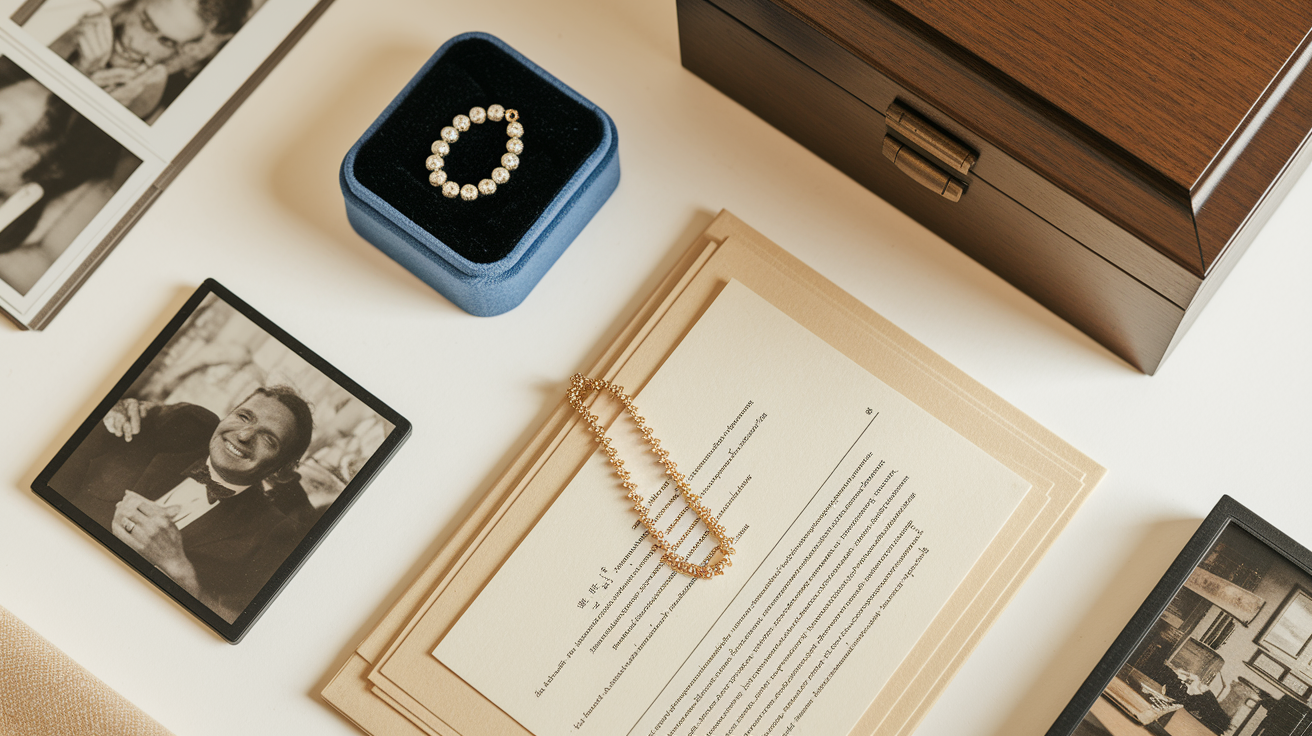
Pack-out services move items requiring off site restoration or storage during property repairs. Furniture, electronics, clothing, documents, photographs, and personal belongings get transported to a climate controlled facility where specialized cleaning, drying, and restoration happens without the time pressure of getting you back into your home. Items stay in secure storage until reconstruction is complete, then return clean and restored.
Specialized cleaning methods match the damage type and material. Ultrasonic cleaning uses high frequency sound waves to remove soot and contaminants from delicate electronics, jewelry, and small items without harsh scrubbing. Freeze drying techniques save wet paper documents and photographs that would otherwise be destroyed. Restoration methods vary by what got damaged and what material it’s made from. What works for smoke damaged fabric doesn’t work for water damaged wood.
Contents restoration is often more cost effective than replacement, especially for furniture, electronics, and irreplaceable items like family heirlooms or important documents. Restoration specialists can recover a surprising amount, saving both money and sentimental value.
Common items that can be restored:
- Furniture (upholstered and wood pieces)
- Electronics (computers, televisions, stereo equipment)
- Clothing and textiles (including specialty fabrics)
- Important documents (medical records, legal paperwork, tax files)
- Photographs and photo albums
- Family heirlooms and collectibles
- Essential records and personal files
The Residential Restoration Process Timeline

The standard restoration workflow ensures thorough damage recovery from emergency call through final inspection. Each step builds on the previous one, methodically addressing damage, preventing further problems, and rebuilding what was lost.
The 6 step restoration process:
- Emergency contact and response. 24/7 availability with rapid on site arrival to assess and stabilize
- Inspection and assessment. Detailed damage evaluation using moisture meters, thermal imaging, and documentation
- Mitigation. Stopping damage spread through water extraction, board up, tarping, and containment
- Remediation and cleaning. Removing contaminants, cleaning surfaces, deodorizing, applying antimicrobial treatments
- Reconstruction. Repairing and rebuilding damaged structural elements, systems, and finishes
- Final walkthrough and monitoring. Verifying completed work, addressing any emerging issues, providing warranty documentation
Typical timelines vary by damage extent. Drying and dehumidification usually takes 3 to 5 days with daily monitoring until moisture readings confirm the structure is dry. Full reconstruction can extend to several weeks depending on how much needs rebuilding. A single room fire is faster than whole home water damage. The process follows IICRC S500 standards for water damage and IICRC S520 for mold, ensuring consistent quality and thorough treatment regardless of company or location.
When to Call for Professional Residential Restoration
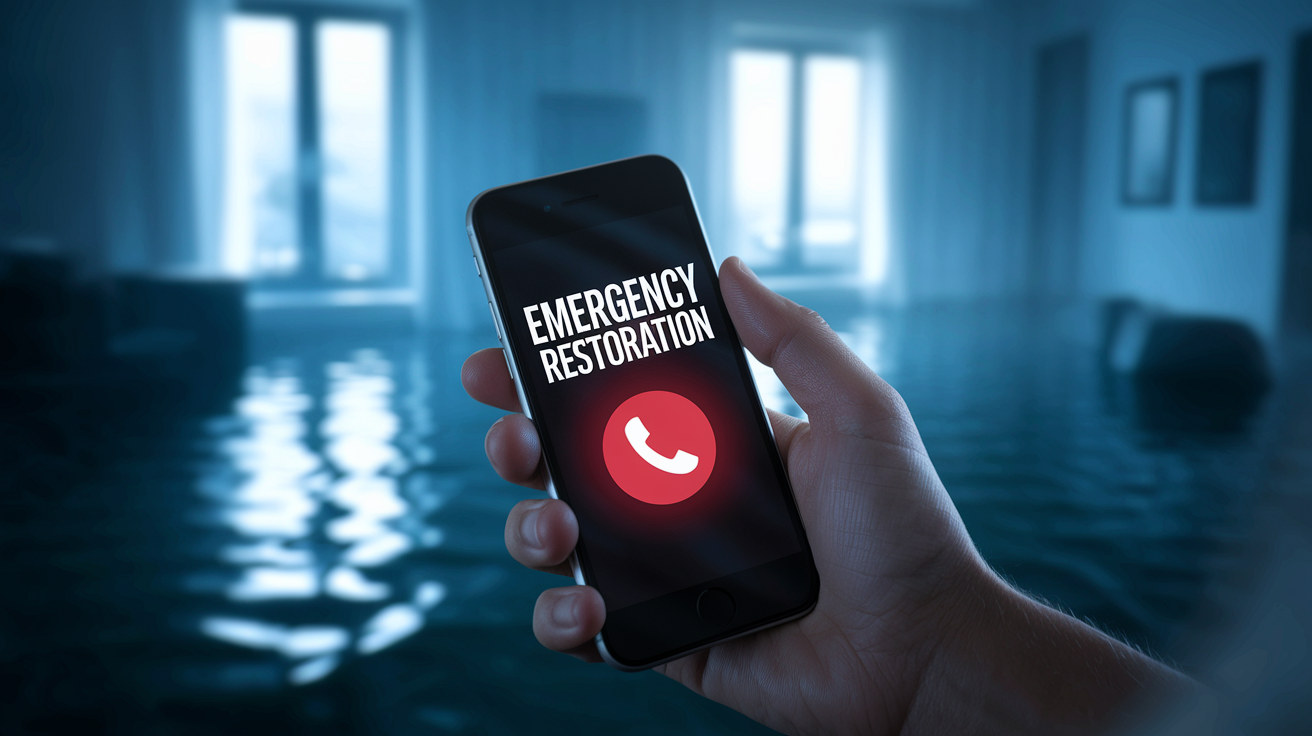
Critical timing factors make professional response essential in many situations. Mold can begin developing within 24 to 48 hours after water damage occurs, and after 24 hours of standing water, mold risk increases by nearly 50 percent. Soot from fire is acidic and starts causing permanent etching on surfaces within hours. Waiting even a day can mean irreversible damage to cabinets, countertops, and fixtures.
Professional equipment and antimicrobial treatments ensure homes are safe, sanitized, and free from hidden moisture that could cause future problems. DIY methods can handle small, surface level cleanup, but they can’t reach moisture inside wall cavities, detect contamination levels, or apply the industrial drying power needed for structural materials. Hidden moisture in wooden subfloors can remain at damaging levels even when carpet feels dry. Something only moisture meters can detect.
Situations requiring professional restoration:
- Standing water present for 24 hours or longer
- Sewage backup or contaminated water (gray or black water categories)
- Visible mold growth on walls, ceilings, or floors
- Fire or smoke damage of any extent
- Structural damage including sagging ceilings, warped floors, or compromised framing
- Extensive affected area (multiple rooms or whole home impact)
- Insurance claim situations requiring documentation and coordination
- Hidden moisture detection needed (water traveling through walls or under floors)
Final Words
Residential restoration covers everything from emergency water extraction and fire damage repair through complete reconstruction and contents recovery. Whether you’re dealing with a burst pipe, kitchen fire, storm damage, or mold growth, professional restoration addresses both visible destruction and hidden issues that can cause problems later.
The service brings together specialized equipment, trained technicians, and direct insurance coordination to get your home back to pre-loss condition. Most covered losses involve sudden, accidental damage, with restoration teams handling the entire process from that first emergency call through final walkthrough.
When disaster hits, knowing what residential restoration covers means understanding you’re not coordinating five different contractors. One call handles mitigation, cleanup, repairs, and rebuild so you can focus on getting back to normal.
FAQ
What two events are not covered under homeowners insurance?
Homeowners insurance typically does not cover flood damage (requiring separate flood insurance) and damage from long-term maintenance neglect like slow leaks or gradual wear. Most policies cover sudden, accidental damage but exclude gradual deterioration and specific disasters requiring additional coverage.
What’s the difference between a renovation and a restoration?
Restoration returns your home to its pre-damage condition after a disaster like fire or flood, repairing what was damaged. Renovation updates or improves a space beyond its original state, like remodeling a kitchen or adding new features, regardless of damage.
What are three examples of restoration?
Three examples of restoration include drying and repairing water-damaged drywall after a burst pipe, removing soot and smoke odor following a kitchen fire, and replacing wind-damaged roofing and water-stained ceilings after a storm. Each addresses specific disaster damage.
Will homeowner insurance pay for restoration?
Homeowner insurance will pay for restoration when damage is sudden and accidental, like burst pipes or fire, covering costs beyond your deductible. Insurance typically excludes gradual damage from neglect, so understanding your policy limits and working with restoration companies experienced in claims documentation helps ensure coverage.
How long does the restoration process take?
The restoration process typically takes 3-5 days for drying and dehumidification, with full reconstruction extending several weeks depending on damage extent. Emergency mitigation starts within hours, while complete recovery timelines vary based on affected square footage, damage type, and materials requiring replacement.
What equipment do restoration companies use?
Restoration companies use industrial equipment including moisture meters, thermal imaging cameras, high-velocity air movers, industrial dehumidifiers, HEPA air scrubbers, ozone generators, and high-powered extraction pumps. This professional-grade equipment detects hidden moisture and thoroughly dries structures faster than consumer options.
Can personal belongings be restored after water or fire damage?
Personal belongings can often be restored after water or fire damage using specialized techniques like ultrasonic cleaning for electronics, freeze-drying for documents and photos, and professional textile cleaning. Contents restoration is frequently cheaper than replacement and covers furniture, clothing, heirlooms, and essential records.
What is the difference between clean water, gray water, and black water?
Clean water comes from pipes or rain and poses minimal contamination risk, gray water from dishwashers or washing machines contains some contaminants, and black water from sewage or floodwater is highly hazardous requiring specialized cleanup. Treatment methods and safety precautions vary significantly based on water category.
How quickly does mold grow after water damage?
Mold grows within 24-48 hours after water damage occurs, with risk increasing nearly 50 percent after 24 hours of standing water. Rapid professional response with industrial drying equipment, containment barriers, and EPA-approved antimicrobial treatments prevents mold development and protects indoor air quality.
Do I pay upfront for restoration services?
You typically don’t pay upfront for restoration services when working directly with insurance, only your deductible. Restoration companies bill insurance directly, use industry-standard Xactimate software matching adjuster estimates, and provide documentation and photos supporting your claim throughout the process.
