
You just spotted mold creeping up your bathroom wall, and now you’re staring at price estimates that swing from $300 to $6,000. What gives? Here’s the thing: bathroom mold removal costs depend on what’s actually growing where, not just the square footage you can see. Small surface patches might need only a few hundred dollars and basic cleaning. But mold hiding behind your shower wall or under the floor? That’s a different job entirely. We’ll break down real prices, the factors that push costs up or down, and where you can actually save money without cutting corners on safety.
What You’ll Pay for Bathroom Mold Removal: Price Ranges and Averages
| Project Scope | Price Range |
|---|---|
| Small surface areas under 10 sq ft | $300–$500 |
| Medium bathroom infestations 10-30 sq ft | $500–$1,500 |
| Whole bathroom remediation | $1,200–$3,750 |
| Hidden mold with structural access needed | $2,000–$6,000 |
| Emergency same-day services | $1,500–$4,500 |
| Post-water damage bathroom restoration | $3,000–$10,000 |
Most homeowners pay between $1,200 and $3,750 for complete bathroom mold removal, with the national average landing around $2,300. But here’s where it gets tricky. Per square foot pricing swings wildly depending on what you’re actually dealing with. Basic surface cleaning runs $2.30 to $2.80 per square foot. Professional remediation? That jumps to $10 to $25 per square foot.
The difference isn’t just about price gouging. It’s about what the job actually involves. Surface cleaning tackles visible mold on non-porous stuff like tile. Professional remediation means containment barriers, specialized equipment, cutting into walls, and making absolutely sure you’ve eliminated hidden growth that could come roaring back in a few months.
Caught early, surface mold on tiles or painted walls typically costs $500 or less. You’re looking at straightforward treatment with antimicrobial products and basic cleaning. But costs rocket into the thousands when mold’s hiding behind walls, under flooring, or stems from plumbing leaks that need cabinets removed, fixtures pulled, drywall cut out. That innocent looking grout mold on your shower tile? Could be masking extensive growth behind the surround or lurking under your vanity.
What looks like a small ceiling spot might actually signal water damage affecting multiple material layers. And that’s why price ranges get so wide.
Cost Factors That Affect Bathroom Mold Removal Pricing
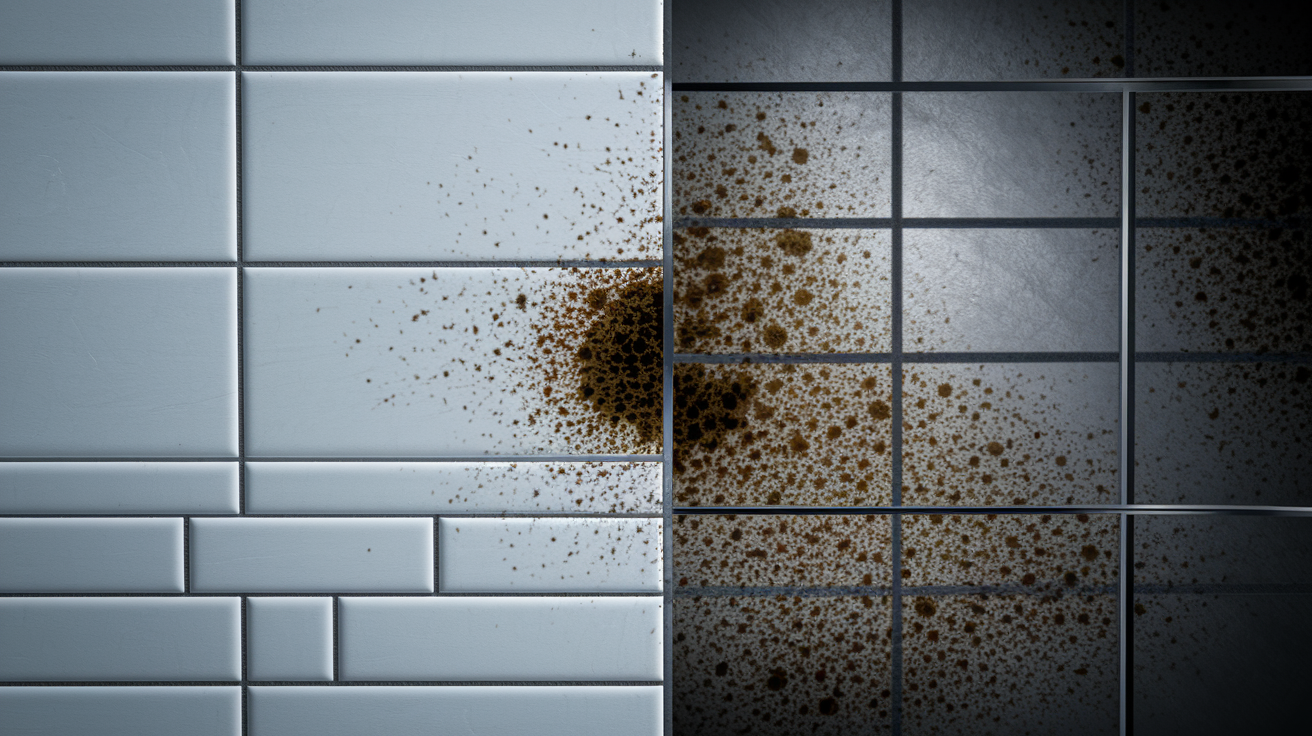
Whether you’re paying $300 or $3,000 comes down to a handful of variables.
Size matters most. A small patch on shower tile runs $300 to $500. Mold covering multiple walls, the ceiling, and spreading behind fixtures? You’re hitting $3,750 or more. Professionals calculate based on total finished surface area plus any openings that finished area encloses. In a compact bathroom, extensive wall and ceiling involvement adds up fast.
Mold type shifts pricing because some species demand more expensive containment and removal. Black mold and other potentially toxic varieties need stricter safety protocols, specialized protective gear, more thorough testing before and after. These projects typically cost 20 to 40 percent more than standard removal. The specific species affects both labor time and the precaution level needed to safely remove growth without broadcasting spores throughout your house.
Material differences create major cost swings. Porous materials like drywall, insulation, carpet absorb moisture and mold deep into their structure. They need complete removal and replacement, not just surface cleaning. Non-porous surfaces like ceramic tile, sealed concrete, metal fixtures can usually be cleaned and disinfected without replacement. That saves hundreds to thousands in material costs. Mold on tile walls might need only cleaning and regrouting at $500. Same amount of mold on drywall requires cutting out and replacing entire wall sections at $2,000 to $4,000.
Accessibility cranks up labor time and total costs considerably. Mold behind walls means cutting access holes, removing affected materials, treating hidden areas, then repairing all opened surfaces. Mold under bathroom flooring means pulling up tiles or vinyl, treating the subfloor, possibly replacing damaged underlayment, reinstalling new flooring. Hard to reach spots like wall cavities near plumbing or above shower enclosures need extra time for proper containment setup and careful material removal without spreading contamination. These challenges can double or triple labor hours compared to straightforward surface treatment.
Structural damage requiring repairs beyond basic mold removal adds substantial costs. Water damage that allowed mold growth often compromises drywall integrity, loosens tile adhesion, warps flooring, damages wooden framing. Fixing these underlying issues means paying for drywall replacement, tile reinstallation, flooring repairs, caulking and sealing work, sometimes even framing repairs. These structural repairs frequently cost more than the actual mold remediation itself.
Common bathroom mold locations with cost implications:
Shower walls and tile grout. Surface cleaning runs $200 to $400, but full tile replacement behind damaged grout or failed waterproofing costs $1,500 to $3,500.
Bathroom ceiling often requires complete drywall replacement if porous materials absorbed moisture, adding $800 to $2,000 in material and finishing work.
Around bathtub surrounds may need surround removal to access hidden mold, costing $1,200 to $3,000 including reinstallation.
Under sink cabinets frequently involves plumbing leak repairs before mold treatment, adding $300 to $1,200 in plumber fees.
Behind toilet zones where wax ring leaks create hidden floor damage requiring flooring removal and subfloor treatment at $600 to $1,800.
Window frames and sills. Condensation and poor sealing cause repeated growth requiring frame replacement at $400 to $900 per window.
Under bathroom flooring requires complete floor removal, subfloor treatment and drying, moisture barrier installation, new flooring at $2,000 to $5,000.
Inside walls from hidden leaks demands wall opening, pipe repair, insulation replacement, drywall restoration at $1,500 to $4,000.
Itemized Breakdown: What’s Included in Mold Removal Costs

Professional mold removal isn’t one thing. It’s multiple service components, each with its own cost that combines into your total project price. Understanding what you’re actually paying for helps you evaluate estimates and avoid surprise charges.
Labor typically eats up more than half of total costs, covering the skilled work of containment setup, careful material removal, HEPA filtration system operation, surface cleaning and treatment, final site restoration.
| Cost Component | Typical Price Range | What’s Included |
|---|---|---|
| Inspection | $250–$350 | Visual assessment, moisture readings, identification of mold type and extent, written report with remediation recommendations |
| Testing | $200–$500 | Air quality samples, surface samples, lab analysis to identify mold species and concentration levels |
| Containment Setup | $300–$800 | Plastic sheeting barriers, negative air pressure systems, sealed doorways, protection of adjacent areas from cross-contamination |
| Removal/Cleaning Labor | $500–$2,000 | Physical removal of contaminated materials, HEPA vacuuming, antimicrobial application, surface scrubbing, disposal preparation |
| Materials/Equipment | $200–$600 | HEPA filtration units, antimicrobial solutions, protective gear, disposal bags, drying equipment rental, local delivery of equipment |
| Repairs/Restoration | $400–$3,000 | Drywall replacement, painting, flooring reinstallation, caulking, grout repair, fixture reinstallation, finishing work |
| Disposal/Cleanup | $150–$400 | Proper disposal of contaminated materials, site cleanup, final HEPA vacuuming, worksite preparation and protection during service |
Some contractors bundle services into package pricing. Others charge separately for each component, which makes comparing estimates challenging. Getting itemized estimates from multiple companies lets you see exactly what each charges for inspection, containment, labor, materials, repairs. This breakdown reveals whether one company’s higher total comes from premium quality equipment and thorough procedures or simply inflated pricing. It also helps you spot opportunities to save money by handling certain restoration tasks yourself while leaving specialized remediation work to professionals.
DIY Bathroom Mold Removal vs. Professional Services

The EPA draws a clear line at 10 square feet. That’s a 3 foot by 3 foot area as the threshold separating DIY appropriate mold removal from projects requiring professional remediation.
When DIY Mold Removal Makes Sense
Small surface mold under 10 square feet on non-porous bathroom surfaces can safely be handled yourself if you don’t have asthma or respiratory sensitivities. Typical DIY costs run $50 to $150 for supplies, which beats paying $300 to $500 for professional service on minor surface growth. Visible mold on ceramic tile, sealed grout, glass shower doors, or painted bathroom walls with intact surfaces responds well to DIY treatment when caught early before it spreads or penetrates deeper.
You’ll need N95 respirator masks, not simple dust masks. Rubber gloves that extend past your wrists. Safety goggles that seal around your eyes to prevent spore exposure. Effective DIY cleaners include diluted bleach mixed at a ratio of 1 cup bleach to 1 gallon water, applied with a stiff brush to scrub affected areas thoroughly. White vinegar works as a bleach free alternative. Spray it undiluted on moldy surfaces, let it sit for an hour, then scrub clean. Antimicrobial spray products designed specifically for mold provide another option, following manufacturer directions for application and contact time.
When to Call Professional Mold Remediation Services
Professional remediation becomes necessary for several specific situations where DIY approaches create health risks or fail to address the full problem. Areas larger than 10 square feet require professional equipment and containment procedures to prevent spreading spores throughout your home during removal. Black mold or potentially toxic species demand professional testing, specialized removal techniques, proper disposal following safety regulations that protect both workers and occupants.
Hidden mold behind bathroom walls, under flooring, or inside wall cavities requires professional tools to locate, access, treat, verify complete removal. You can’t safely DIY mold caused by sewage backups or contaminated water because these situations involve dangerous bacteria and pathogens requiring professional grade disinfection. Homeowners with asthma, allergies, or respiratory sensitivities should never attempt mold removal themselves regardless of project size, since exposure during removal can trigger serious health reactions. Extensive damage requiring structural repairs like drywall replacement, flooring removal, or water damage restoration exceeds DIY capability and risks creating bigger problems without professional expertise.
Getting multiple detailed quotes helps you avoid overpaying while ensuring you receive quality service that actually eliminates your mold problem rather than just temporarily hiding it. Proper HEPA filtration systems, negative air pressure setups, complete containment procedures separate professional remediation from inadequate cleaning that allows mold to return within weeks or months.
7 steps to getting accurate professional mold removal quotes:
Get at least three estimates from licensed, certified specialists with documented experience in bathroom mold remediation.
Request itemized breakdowns showing separate costs for inspection, testing, containment, removal, repairs, disposal rather than vague lump sum quotes.
Verify licensing, insurance coverage, certifications from organizations like IICRC (Institute of Inspection, Cleaning and Restoration Certification).
Ask about warranty options and what results they guarantee, including whether they’ll return at no charge if mold reappears within a specified timeframe.
Clarify what’s excluded from the quoted price. Permit fees, HVAC system work, plumbing repairs, modifications needed to bring bathroom to current building code compliance.
Check whether general contractor oversight fees of 13 to 22 percent apply if the remediation company coordinates with other trades for repairs.
Request references from recent bathroom mold projects and check online reviews focusing on whether contractors completed work as quoted and resolved problems permanently.
DIY removal saves significant money. $50 to $150 versus $500 to $1,500 for small professional jobs when your situation genuinely fits DIY parameters. You can reduce professional service costs by handling cosmetic restoration work yourself after contractors complete the actual mold remediation, comparing bundled versus itemized pricing to identify better values, scheduling work during regular business hours rather than paying emergency service premiums.
But choosing the lowest bid without verifying credentials and procedures creates major risks. Unqualified contractors might skip proper containment allowing spores to spread to other rooms, fail to identify and address hidden mold growth, use inadequate cleaning methods that leave viable mold behind. Professional removal done correctly provides guaranteed results, proper containment protecting your home during the process, warranty coverage if problems resurface. Most important for serious infestations? Peace of mind that the job actually eliminates the health hazard rather than temporarily covering it up.
Regional Price Differences for Mold Remediation Services

Bathroom mold removal costs vary significantly by region, with urban areas typically running 15 to 30 percent higher than rural locations for identical work. A bathroom remediation project costing $2,000 in a rural Midwest town might hit $2,600 in a major metropolitan area because of differences in local business expenses, labor rates, market competition.
Several factors drive these regional differences. Local labor rates reflect the area’s general cost of living. Contractors in expensive cities charge more because they pay higher wages to attract qualified technicians who face steeper housing, transportation, everyday expenses. Contractor availability affects pricing through basic supply and demand. Areas with few qualified mold remediation specialists can charge premium rates, while markets with many competing companies often offer more competitive pricing. Building code requirements vary by jurisdiction, with some regions mandating additional inspections, specific removal procedures, enhanced ventilation standards that add costs. Permit fees range from $50 in some counties to $300 or more in others, directly increasing your total project cost.
Coastal regions and areas with high humidity often have more experienced mold specialists because these climates create frequent mold problems. This specialization affects pricing in two opposite ways depending on local market conditions. Either competitive pricing develops because many contractors offer mold services, or premium pricing emerges because established specialists charge more for their proven expertise and track record. The same regional factors apply whether you’re dealing with mold from fire damage restoration needs or routine bathroom humidity issues.
Getting multiple local quotes remains the best strategy for understanding actual pricing in your specific area rather than relying on national averages that might not reflect your market. Keep in mind that general contractor oversight adds 13 to 22 percent to project costs when a GC coordinates multiple specialists for comprehensive bathroom renovation alongside mold remediation work.
Insurance Coverage and Bathroom Mold Removal Claims

Homeowners insurance typically covers mold removal only when mold results from a covered peril like a sudden pipe burst, storm damage, appliance malfunction that created water intrusion. The key word is “sudden.” Your policy treats mold as secondary damage caused by an insured event rather than a standalone covered loss. If a bathroom pipe bursts while you’re at work and floods the room, creating mold within days, insurance generally covers both water damage cleanup and resulting mold remediation. However, similar coverage principles apply to other disaster related property damage like smoke damage restoration after fire events.
Gradual mold from poor maintenance, high humidity, inadequate ventilation, slow leaks is almost universally excluded from homeowners insurance coverage. Insurers consider these situations preventable through proper home maintenance, making them the homeowner’s financial responsibility. A slowly leaking shower valve that drips behind the wall for months until mold develops won’t trigger coverage because the leak itself, and therefore the mold, could have been prevented through routine maintenance and prompt repairs.
Documentation requirements determine whether your claim gets approved or denied, so thorough evidence matters from the moment you discover the problem. Take detailed photos and videos showing the mold extent, visible water damage, the source of moisture before touching anything. Get a professional inspection report identifying mold type, moisture source, extent of contamination. This independent assessment carries weight with insurance adjusters. Obtain written repair estimates from licensed contractors detailing necessary remediation work and costs. Most important, document clear evidence of the sudden water event that caused the mold, whether that’s a broken pipe, storm damage, appliance failure. Your insurance adjuster needs to see proof connecting the mold to a covered sudden event rather than gradual problems.
Filing claims effectively requires immediate action and careful communication with your insurer. Report water damage and potential mold within 24 to 48 hours of discovery. Delays can raise questions about whether damage worsened because you waited. Document everything in writing through emails or certified letters rather than relying solely on phone conversations. Get professional assessment before starting cleanup so the adjuster can inspect original conditions, but take immediate steps to prevent worsening damage like stopping active leaks or setting up fans. Understand that policies often carry mold coverage limits separate from general property damage limits, commonly capping mold remediation at $5,000 to $10,000 even when other water damage exceeds those amounts. These limits usually don’t cover testing, prevention measures, upgrades to reduce future mold risk unless explicitly included in your policy.
How Long Bathroom Mold Removal Takes to Complete
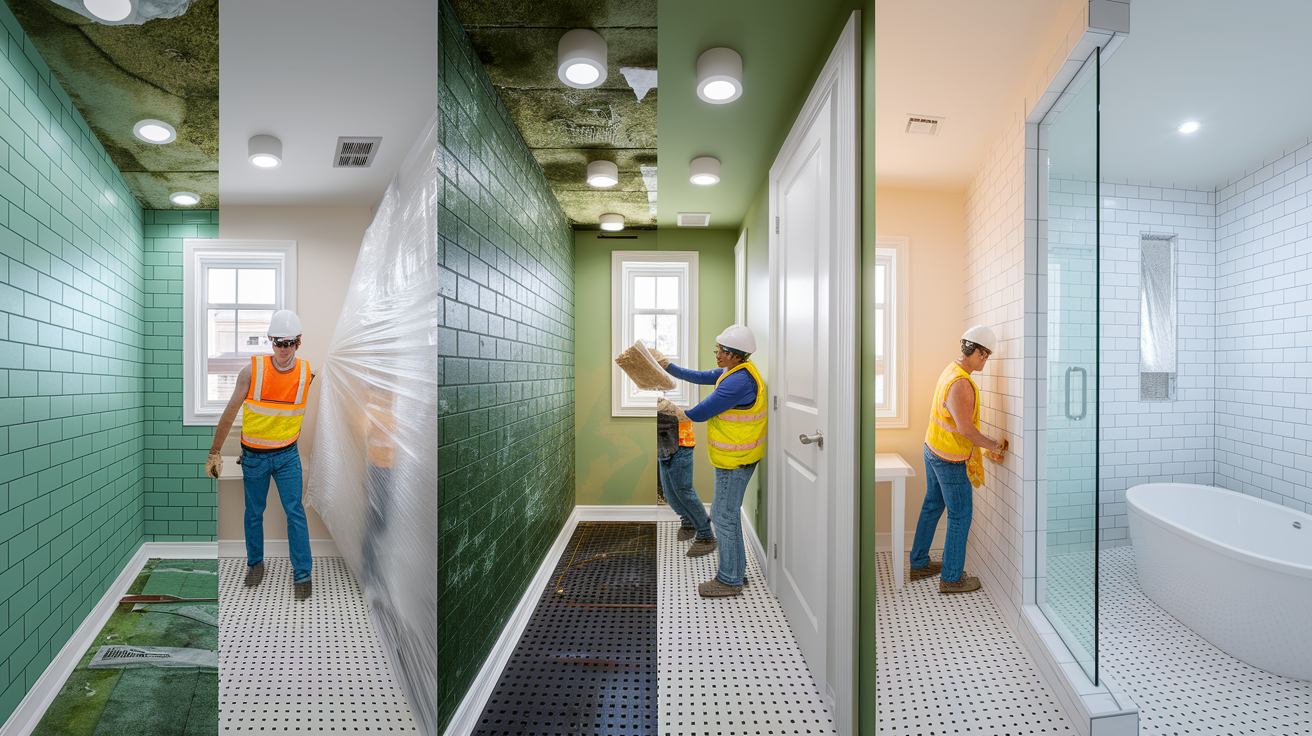
Project duration depends primarily on infestation extent, location accessibility, whether structural repairs are needed beyond basic mold removal. A straightforward small area treatment might wrap up in hours, while comprehensive remediation with repairs can stretch across multiple weeks.
Timeline affects both cost and disruption to your household. Longer projects mean higher labor charges since you’re paying for more technician hours. They also mean extended periods when you can’t use your bathroom or must work around containment barriers, equipment noise, construction activity.
5 typical project timelines:
Small surface mold DIY projects. 1 to 2 hours for cleaning visible mold on non-porous surfaces like tile or painted walls, including prep time and cleanup.
Professional small area remediation. 1 full day including containment setup, surface treatment, HEPA vacuuming, antimicrobial application, final cleanup.
Medium bathroom infestations. 2 to 3 days covering proper containment installation, mold removal, structural drying with dehumidifiers, air scrubbing, initial repairs.
Extensive remediation with repairs. 1 to 2 weeks including mold removal, drywall replacement, flooring repairs, repainting, caulking, allowing proper drying time between steps.
Complex projects with structural damage. 2 to 4 weeks for comprehensive work involving framing repairs, plumbing fixes, complete bathroom reconstruction, final finishing.
Inspection and testing add 1 to 2 days to your overall timeline because professionals need time to thoroughly assess conditions, collect samples, wait for lab results before creating a detailed remediation plan. This upfront time investment prevents incomplete work that misses hidden mold or fails to address the moisture source causing growth.
Emergency services provide same day response when mold issues create urgent health concerns or result from sudden catastrophic water damage requiring immediate action. These expedited services typically cost 20 to 40 percent more than scheduled work but prevent further damage spread and health exposure. Contractors dispatch crews quickly, often working evenings or weekends, which commands premium pricing reflecting the disruption to their regular scheduling and the urgency of your situation.
Warning Signs You Need Bathroom Mold Remediation
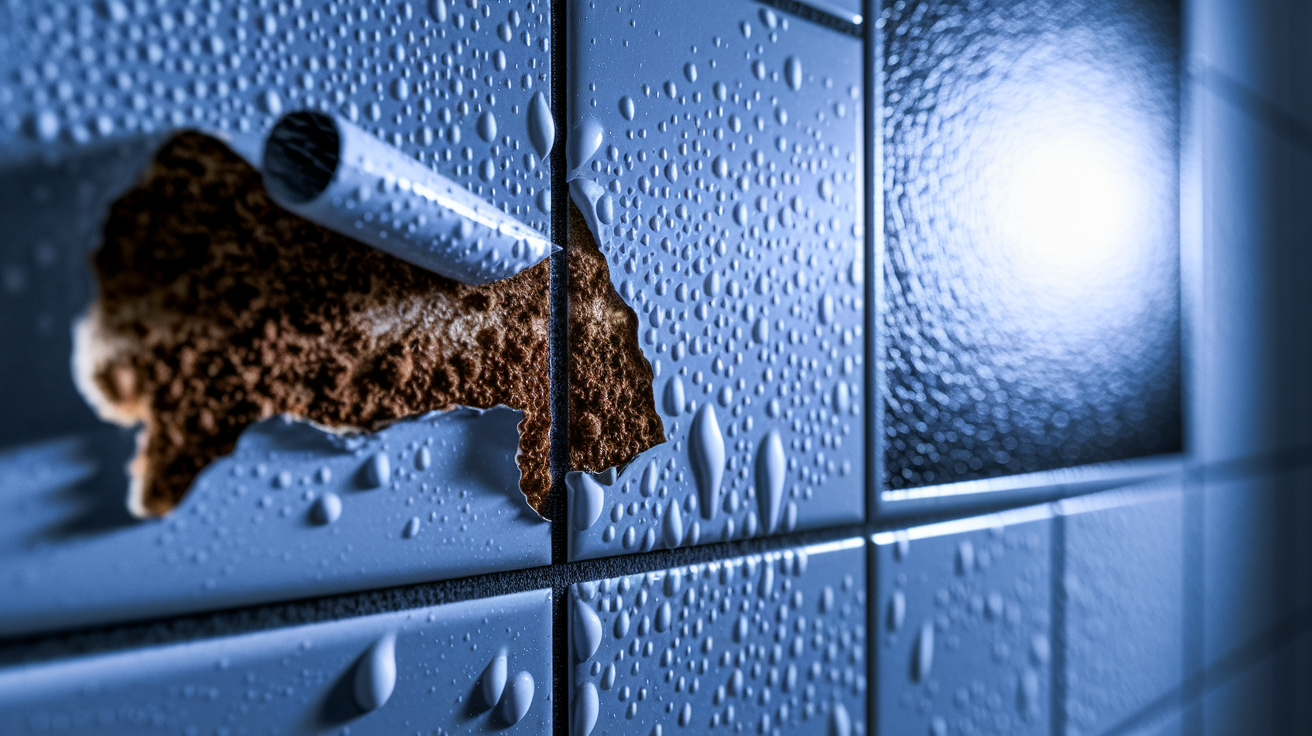
Early detection reduces both health risks and remediation costs significantly. Catching mold while it’s still confined to small surface areas costs hundreds rather than thousands and prevents ongoing exposure to potentially harmful spores.
9 warning signs indicating bathroom mold problems:
Persistent musty odors even after cleaning. That earthy, damp smell indicates active mold growth somewhere even if you can’t see it yet.
Visible discoloration on walls, ceilings, grout. Black, green, brown, or white spots or patches spreading across surfaces.
Peeling or bubbling paint. Moisture trapped behind paint causes it to lose adhesion and separate from walls or ceilings.
Warping or water staining on surfaces. Materials that look swollen, distorted, discolored from moisture absorption.
Increased respiratory issues or allergic reactions when using bathroom. Coughing, sneezing, itchy eyes, difficulty breathing that improves when you leave the room.
Excessive condensation on windows or mirrors. Persistent moisture accumulation that doesn’t clear quickly after showers.
Chronically high humidity levels above 50 percent. Readings consistently elevated on a hygrometer even with ventilation.
Water stains from current or past leaks. Yellow, brown, or dark stains on ceilings or walls indicating moisture problems.
Soft or spongy spots on walls or flooring. Materials that feel weak or give slightly when pressed, indicating water damage and possible hidden mold.
Visible mold on your bathroom ceiling or shower walls is often just surface evidence of larger hidden growth behind those surfaces or inside wall cavities. What you can see represents only part of the total problem in many cases. A small patch of ceiling mold might extend across several square feet above the drywall where moisture accumulated from a roof leak or plumbing issue.
Professional inspection costing $250 to $350 makes sense when multiple warning signs appear together, when you smell mold but can’t locate its source, or when you’ve had water damage even if no mold is visible yet. Inspectors use moisture meters to detect elevated levels inside walls and specialized cameras to locate hidden growth, providing information you can’t gather through visual observation alone. Ignoring multiple warning signs inevitably leads to more extensive damage and higher remediation costs down the road. Mold that could be eliminated for $500 today might require $3,000 worth of structural repairs if left untreated for months.
Preventing Mold After Bathroom Remediation: Long-Term Costs
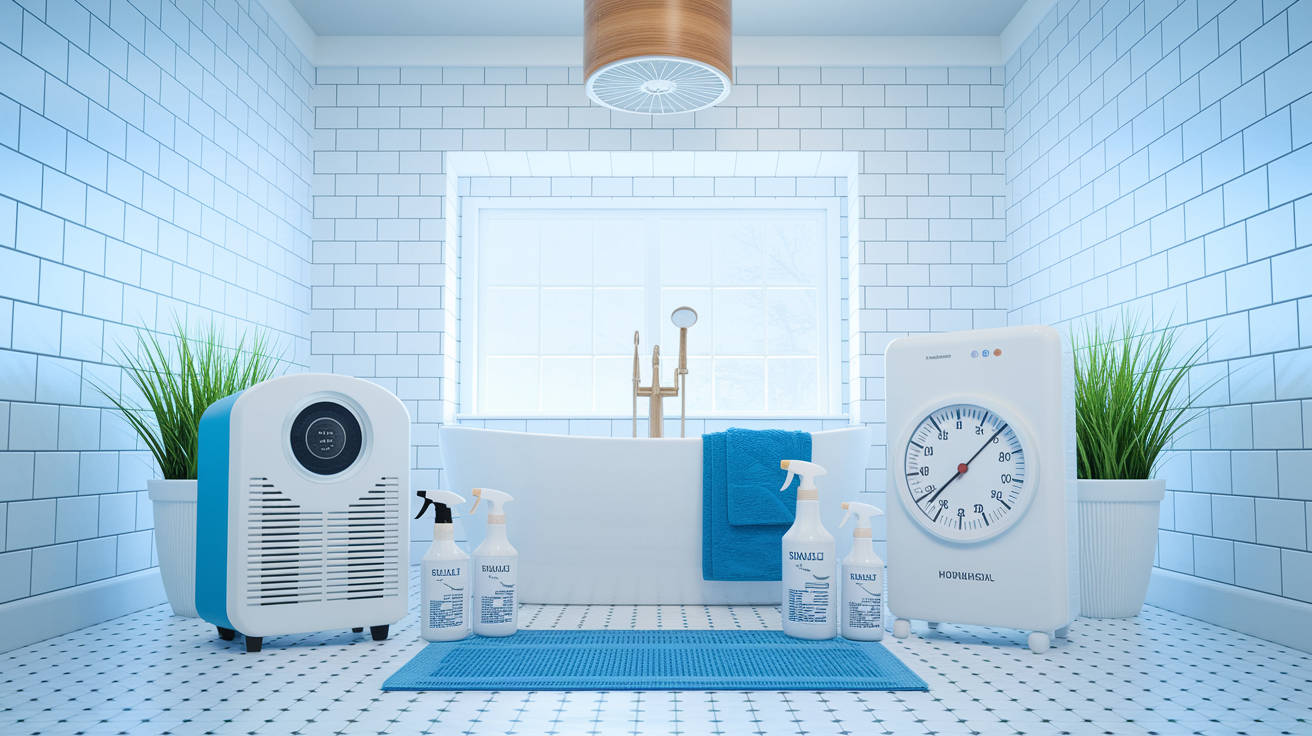
Preventing mold recurrence involves upfront equipment costs and ongoing maintenance habits, but these prevention expenses save you thousands in future remediation by stopping problems before they start. Spending a few hundred dollars on proper ventilation and moisture control beats paying $1,200 to $3,750 every few years for repeated professional remediation.
Maintaining humidity between 30 and 50 percent stands as the single most effective prevention strategy because mold can’t grow in properly dry environments regardless of other conditions. Bathrooms naturally create high humidity through showers and baths, so you’re fighting constant moisture that encourages mold growth without active prevention measures.
| Prevention Measure | Initial Cost | Ongoing Cost | Effectiveness |
|---|---|---|---|
| Exhaust fan upgrade | $200–$500 | $15–$30/year electricity | High – removes moisture at source |
| Dehumidifier | $180–$300 | $40–$80/year electricity | High – maintains target humidity |
| Better ventilation | $150–$400 | None | Medium – helps if used consistently |
| Regular inspections | $250–$350 | $250–$350/year | Medium – catches problems early |
| Leak monitoring/repairs | $0–$200 for monitors | $0–$500/year for repairs | High – eliminates moisture source |
| Moisture-resistant materials | $400–$1,500 during renovation | None | Medium – reduces susceptibility |
Prevention costs of $200 to $1,500 for equipment and initial upgrades represent minimal investment compared to repeat remediation running $1,200 to $3,750 each time mold returns. A quality bathroom exhaust fan installed for $350 that removes moisture after every shower prevents thousands in future damage over the years. Proper cleaning routines like wiping down wet surfaces after bathing, opening windows or running fans for 20 minutes after showers, regularly cleaning grout and caulk provide zero cost prevention habits that dramatically reduce mold risk when practiced consistently.
Post remediation clearance testing offers peace of mind by confirming mold levels have returned to safe normal ranges and provides a baseline for future monitoring. Though optional, this testing documents that remediation work actually eliminated your mold problem rather than just hiding it temporarily, which matters both for your family’s health and if you later sell your home and need to disclose past mold issues to buyers.
Final Words
Bathroom mold removal cost runs anywhere from a few hundred for small surface jobs to several thousand when hidden growth requires structural work.
Most homeowners pay between $1,200 and $3,750 for professional remediation, but catching the problem early keeps you on the lower end of that range.
Getting a few itemized quotes, understanding what drives your specific pricing, and knowing when DIY makes sense versus when to call in the pros puts you in control. Fix the moisture issue, keep humidity below 50%, and you won’t be paying for the same cleanup twice.
If you’re staring at mold right now, start with an inspection and go from there.
FAQ
How much does it cost to treat mold in a bathroom?
Bathroom mold treatment costs range from $500 to $1,500 for small professional jobs, with the national average around $2,300 for full remediation. Surface mold under 10 square feet often costs $500 or less, while hidden mold behind walls requiring structural access can cost several thousand dollars.
Is professional mold removal worth it?
Professional mold removal is worth it for areas larger than 10 square feet, hidden growth behind walls, or toxic mold species. Professionals use containment procedures, HEPA filtration, and proper safety protocols that prevent mold spread and ensure complete removal. DIY methods work fine for small surface areas under 10 square feet on non-porous surfaces.
What kills 100% of black mold?
Professional black mold removal combines containment, HEPA filtration, antimicrobial treatments, and complete removal of porous materials like drywall that can’t be fully cleaned. While diluted bleach (1 cup per gallon of water) kills surface mold on non-porous materials, black mold in porous surfaces requires professional remediation including material replacement.
Is bathroom mold covered by homeowners insurance?
Homeowners insurance typically covers bathroom mold removal only when it results from sudden covered events like pipe bursts, storm damage, or appliance malfunctions. Gradual mold from poor maintenance, humidity, or slow leaks is usually excluded. Most policies cap mold coverage at $5,000 to $10,000.
How long does bathroom mold removal take?
Small bathroom mold removal takes one day for professional work, while medium infestations require two to three days including containment and drying time. Extensive projects with structural repairs take one to two weeks, and complex cases with reconstruction can require two to four weeks.
Can I remove bathroom mold myself?
You can safely remove bathroom mold yourself if the affected area is under 10 square feet, on non-porous surfaces, and you have no respiratory sensitivities. Use proper safety equipment including N95 masks, gloves, and goggles. Areas larger than 10 square feet require professional remediation.
What are the signs I need professional mold remediation?
You need professional mold remediation if you notice persistent musty odors, visible discoloration on walls or ceilings, peeling paint, respiratory issues when using the bathroom, or soft spots on surfaces. Multiple warning signs indicate hidden mold growth requiring professional inspection and removal.
How do I prevent bathroom mold after remediation?
Prevent bathroom mold by maintaining humidity between 30 and 50 percent, upgrading exhaust fans, fixing leaks immediately, and ensuring proper ventilation. Prevention equipment costs $200 to $1,500 upfront but prevents future remediation expenses of $1,200 to $3,750.
What factors affect bathroom mold removal costs?
Bathroom mold removal costs depend on infestation size, mold type, affected materials, and accessibility. Porous materials like drywall require replacement, while non-porous surfaces like tile can be cleaned. Hidden mold behind walls or under flooring increases labor time and total project costs.
Should I get multiple mold removal quotes?
Get at least three itemized estimates from licensed mold remediation specialists to compare pricing and services. Request breakdowns covering inspection, testing, containment, removal, repairs, and disposal. Verify licensing, insurance, certifications, and warranty options before choosing a contractor.
