
When your basement floods at 3 AM, you’ll call the first restoration company that pops up on Google. That’s exactly when people make the most expensive mistakes. The difference between a qualified restoration contractor and someone with a truck and a shop vac can cost you thousands in hidden damage, failed insurance claims, or repairs that make things worse. This guide covers the credentials that actually matter, the questions that expose red flags before you sign anything, and the cost breakdowns that help you spot lowball estimates that’ll balloon later.
Critical Decision Criteria for Restoration Company Selection

When water floods your basement at 2 AM or smoke fills your living room after a kitchen fire, the restoration company you choose matters more than you might think. Property damage escalates fast. Mold can start growing within 24 to 48 hours of water exposure, and smoke residue becomes harder to clean every hour it sits. The right restoration company brings IICRC certified technicians who follow industry standards, proper licensing and insurance bonding that protects you from liability, and 24/7 emergency services ready to respond within the hour. These aren’t optional extras. They’re the baseline for any contractor handling water damage, fire damage, or mold remediation in your home.
Emergency response speed directly affects your final repair costs. A restoration company that answers immediately and arrives within 60 minutes can stop secondary damage before it starts. Wet drywall dries instead of rotting, smoke residue lifts instead of staining permanently, standing water gets extracted before it spreads to adjacent rooms. Companies offering true 24/7 availability (not just an answering service that takes messages) have crews ready to deploy, equipment staged for quick loading, and systems in place to prevent the damage from getting worse while you’re waiting.
Reputation tells you what to expect when things go wrong. Check Better Business Bureau ratings, Google Business profiles, and specialized platforms like HomeAdvisor or Angie’s List. Look at years in business. A company operating locally for a decade has handled hundreds of projects and built relationships they won’t risk by cutting corners. Pay attention to total review count (20+ reviews gives you better signal than 3 glowing testimonials) and how the company responds to complaints. Request references from previous clients who faced similar damage. Someone who had basement flooding can tell you exactly what to expect if you’re dealing with water damage now.
Experience level shows up in the details. Ask about employee training programs, not just owner credentials. IICRC certification should extend to the technicians who actually work in your home, not just the person who owns the business card. Look for companies specializing in residential restoration work rather than commercial contractors dabbling in homeowner projects. Check whether they employ full time restoration technicians or rely on subcontractors who might not meet the same standards. Experience indicators include ongoing education (restoration methods improve constantly), background checked employees (they’ll be in your home unsupervised), and proven specialization in the specific damage type you’re facing right now.
Essential Questions to Ask During Restoration Company Evaluation
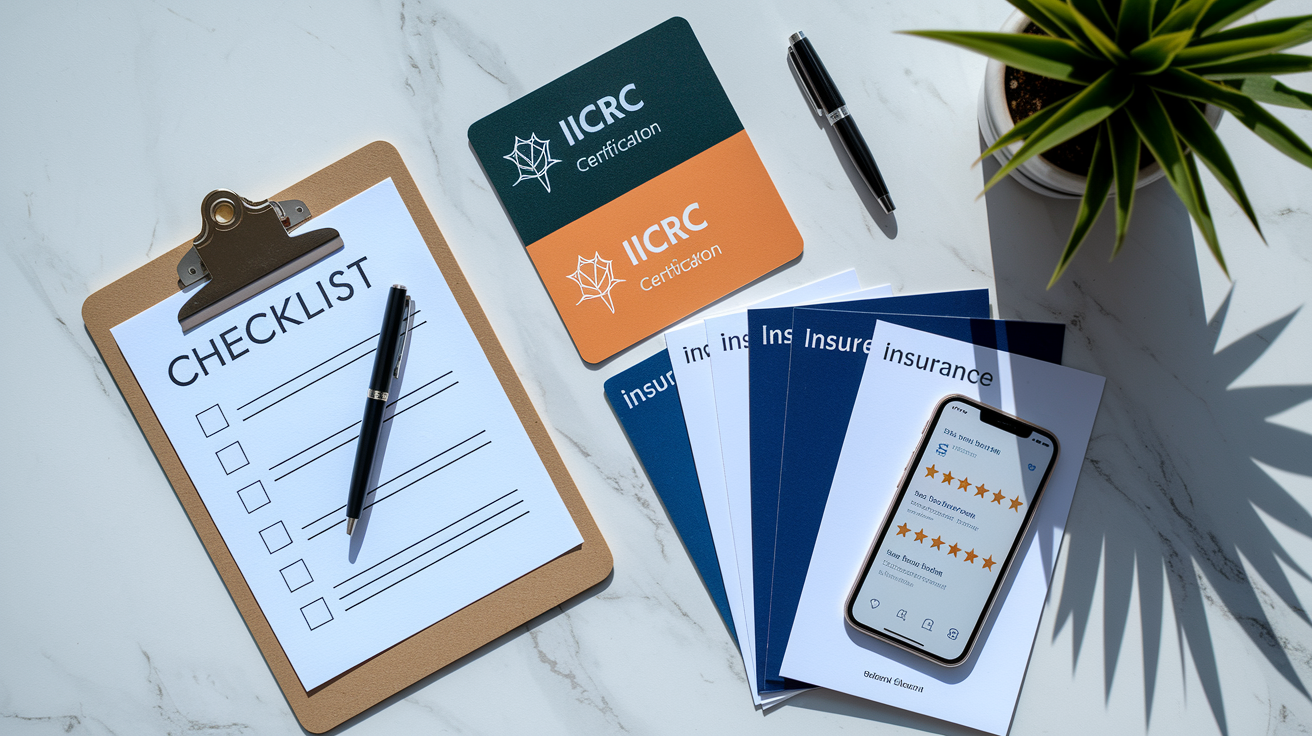
Asking specific questions during your initial consultation helps identify qualified restoration companies and reveals professionalism levels you can expect throughout your water damage, fire damage, or mold remediation project. Evasive answers or vague promises signal problems ahead. Companies confident in their capabilities answer directly, provide documentation on the spot, and welcome comparison shopping.
-
What specific IICRC certifications do your on site technicians hold for this type of damage?
-
Can you provide proof of current licensing and insurance documentation right now?
-
Is your insurance coverage comprehensive enough to protect me if a worker is injured on my property?
-
Do you offer guaranteed 24/7 emergency response, and what’s your average response time?
-
What geographic area do you cover, and do you prioritize local calls?
-
How quickly can you have a crew on site if I call tonight?
-
Do you work directly with insurance companies and offer direct billing arrangements?
-
Will you help document damage and advocate during the claims process?
-
What’s your estimated timeline from emergency response through project completion?
-
Do you use in house technicians or subcontractors for restoration work?
-
What equipment will you use, and is it owned by your company or rented?
-
Can you provide a detailed written estimate that separates labor, materials, and repair costs?
-
What does your payment schedule look like, and when is payment due at each stage?
-
What warranties cover your workmanship, and how long do they last?
-
Can you provide references from clients who had similar damage within the last six months?
Credentials Verification and Industry Certification Requirements

Credentials matter because restoration work affects your home’s structural integrity, indoor air quality, and safety. Water damage restoration, fire cleanup, and mold remediation involve regulated processes with specific safety protocols. Companies without proper credentials might extract visible water but miss moisture trapped in wall cavities, remove surface mold while spreading spores throughout your HVAC system, or use cleaning methods that damage materials instead of restoring them. Regulatory standards exist to prevent these problems, and verified credentials prove a company meets minimum competency thresholds.
IICRC certification is the gold standard in the restoration industry. The Institute of Inspection, Cleaning and Restoration Certification provides training and testing in specific categories: Water Damage Restoration (WRT), Fire and Smoke Restoration (FSR), Applied Structural Drying (ASD), and Applied Microbial Remediation (AMRT) for mold problems. Certification means technicians completed coursework covering damage science, proper equipment use, safety protocols, and industry best practices, then passed exams proving they understood the material. When you see “IICRC certified,” verify which specific categories apply to your project. A technician certified in carpet cleaning doesn’t necessarily know structural drying techniques needed after basement flooding.
State licensing verification takes about five minutes online. Visit your state’s contractor licensing board website (usually part of the Department of Consumer Affairs or similar agency), enter the company name or license number, and confirm the license is active, current, and lists the right classification for restoration work. Check for disciplinary actions, complaints filed against the license, or restrictions limiting their work scope. Some states require separate licenses for mold remediation, asbestos handling, or lead paint disturbance. Make sure the company holds every license your project needs. If a contractor claims licensing “isn’t required in this state,” verify that independently before believing it.
Insurance requirements protect you from massive liability. General liability coverage pays for damage the restoration company causes to your property. If their crew knocks a hole in your wall or floods your neighbor’s unit, their insurance covers repairs, not yours. Workers’ compensation covers medical costs and lost wages if a technician gets injured while working in your home. Without workers’ comp, an injured worker could sue you personally for medical bills and disability. Before work starts, request certificates of insurance showing both coverage types, verify they’re current (not expired), and confirm coverage limits meet your state’s requirements. Minimum general liability should be at least $1 million; workers’ comp requirements vary by state.
Employee training programs and background checks separate professional companies from fly by night operators. Reputable restoration companies invest in ongoing education. Restoration methods, equipment technology, and safety regulations evolve constantly. Ask how often technicians receive refresher training, whether they attend industry conferences or manufacturer training sessions, and what internal quality standards exist. Background screening matters when strangers will spend days working inside your home, sometimes unsupervised. Companies serious about professionalism run criminal background checks, verify employment history, and maintain drug free workplace policies.
Customer Reviews and Reputation Research for Restoration Companies

Legitimate customer reviews exist across multiple platforms, not just one carefully curated testimonial page. Start with Better Business Bureau profiles showing accreditation status, rating (A+ through F), years in business, complaint history, and how quickly the company responds to issues. Check Google Business listings for overall star rating, total review count, recent feedback, and the company’s replies to both positive and negative reviews. Browse Yelp for detailed project stories, especially filtered reviews Yelp flags as potentially unreliable. Look at HomeAdvisor or Angie’s List for restoration specific ratings including categories like punctuality, communication quality, and cleanup thoroughness. Cross reference what you find. Companies with great Google reviews but terrible BBB ratings raise questions.
Review authenticity shows up in the details. Fake testimonials tend toward generic praise. “Great service, very professional, highly recommend!” Real reviews mention specific situations: “They arrived at 11 PM when our water heater burst, had industrial fans running within an hour, and checked moisture levels daily until readings confirmed everything was dry.” Watch for suspicious patterns like ten 5 star reviews posted within the same week (especially from brand new accounts), identical phrasing across multiple reviews suggesting copy paste tactics, or complete absence of any critical feedback whatsoever. Even excellent companies occasionally get complaints about scheduling conflicts or communication gaps. Zero negative reviews often means the profile is too new to trust or the company is deleting criticism.
Years in business, complaints history, and response patterns reveal company character. A restoration company operating locally for 10+ years has survived economic downturns, competitive pressure, and reputation challenges that weed out bad actors. Check complaint patterns in BBB records. What issues come up repeatedly? One complaint about scheduling is normal; five complaints about abandoned projects or surprise charges shows a pattern. Pay attention to response style when companies address negative feedback. Professional responses acknowledge concerns, explain what happened, describe how issues were resolved, and offer direct contact information for offline discussion. Defensive, dismissive, or aggressive responses (or complete silence) suggest you’ll face similar treatment if problems arise during your project.
Request references from past clients who faced similar damage, then actually call them. Ask specific questions: “How quickly did they respond to your initial call?” “Did the project timeline match their estimate?” “How often did they communicate progress updates?” “Was the final cost close to the original estimate?” “Did they leave your home clean at the end of each workday?” “Would you hire them again if you had another flood?” Vague positive responses (“Yeah, they were fine”) carry less weight than detailed stories explaining what the company did well and where they could improve. If a restoration company refuses to provide references or offers only email addresses instead of phone numbers, that’s a red flag worth noting.
Emergency Response Capabilities and Service Availability

Water damage follows a brutal timeline. Within the first 24 hours, water soaks into porous materials like drywall, insulation, and subfloors. Between 24 and 48 hours, mold spores begin colonizing wet surfaces. You won’t see visible growth yet, but the damage is starting. By day three to five, mold becomes visible, musty odors develop, and structural materials start weakening. Fire damage escalates differently but just as quickly. Acidic smoke residue etches into glass, tarnishes metal, and permanently stains porous surfaces if not cleaned within hours to days. The longer you wait for professional help, the more secondary damage you’re paying to fix. Immediate response doesn’t just reduce stress. It directly reduces your final restoration costs by preventing damage from spreading.
True 24/7 availability means live human beings answer phones around the clock, dispatch capabilities exist at 3 AM, and crews respond immediately regardless of what day or time your pipe bursts. Some companies advertise “24/7 service” but route after hours calls to voicemail with “we’ll call you back in the morning” messages. That’s not emergency response. Ask whether they staff actual emergency crews overnight and on weekends, what their guaranteed response time commitment is (60 minutes is ideal for local service areas), and whether response time gets measured from your call or from the next business day. Request their after hours emergency number during initial consultations and test it. Call at 9 PM on a Saturday and see what happens. You’ll learn exactly what “24/7 availability” means for that company.
Immediate mitigation services prevent secondary damage while the full restoration plan gets developed. Emergency water extraction removes standing water before it spreads to adjacent rooms or soaks through floors into spaces below. Board up services secure broken windows or damaged doors, preventing weather intrusion, theft, or animal entry after fire damage or storm damage. Tarp installation protects compromised roofs from rain while permanent repairs get scheduled. Temporary power setup keeps dehumidifiers and air movers running if your electrical system is compromised. These aren’t “nice to have” services. They’re critical interventions that stabilize your property until comprehensive restoration begins. Companies offering complete emergency mitigation demonstrate they understand damage progression and prioritize stopping the spread first.
Local contractors respond faster because they’re closer. A restoration company based 10 minutes from your neighborhood can have crews on site within an hour, even during rush hour traffic. They understand regional building codes without researching them. Local companies work with the same building inspectors repeatedly and know exactly what documentation and inspection checkpoints your municipality requires. They’re familiar with area specific environmental conditions affecting damage patterns: regions with high humidity face faster mold growth requiring aggressive drying, cold climates need freeze protection during winter restoration, coastal areas deal with saltwater corrosion after flooding. Local expertise means the restoration plan accounts for conditions that affect your specific region, not just generic industry standards.
Insurance Claims Support and Documentation Processes

Experienced restoration companies simplify insurance claims by communicating directly with adjusters and providing documentation required for claim approval. They understand what information insurance companies need, how to present damage assessments in terms adjusters recognize, and how to photograph and document conditions that support your coverage. Instead of you trying to explain technical details about structural drying or smoke penetration depth to your insurance company, the restoration contractor handles those conversations using industry terminology adjusters understand. This advocacy protects your claim from underpayment or unnecessary disputes caused by miscommunication.
Direct billing arrangements let you avoid paying the entire restoration cost upfront while waiting for insurance reimbursement. The restoration company invoices your insurance company directly, you pay your policy deductible, and the insurance payment goes straight to the contractor upon job completion. You’re not draining savings accounts to pay a $15,000 water damage restoration bill then hoping your claim gets approved for full reimbursement in 4 to 6 weeks. Direct billing simplifies your financial burden during an already stressful time. Not all restoration companies offer this option. Ask during initial consultations whether they work with your specific insurance carrier and what their billing process looks like.
Documentation restoration companies should provide includes comprehensive before and after photo records showing damage extent and repair quality, moisture readings taken with calibrated meters at initial assessment and throughout the drying process, thermal imaging reports revealing temperature variations that indicate hidden moisture or insulation problems, detailed scope of loss assessments explaining what’s damaged and why it requires replacement versus repair, and itemized inventories of affected contents with condition notes. This documentation strengthens your insurance claim by providing objective evidence supporting coverage decisions. Thorough records prevent disputes about whether damage existed before the incident, reduce adjuster skepticism about repair necessity, and speed claim approval by answering questions before they’re asked.
Claim advocacy services protect homeowners from underpayment when adjusters dispute repair necessity or propose lower cost alternatives. Restoration contractors experienced in insurance work can explain why certain repairs can’t be skipped. Why cutting out wet drywall instead of trying to dry it in place is necessary to prevent mold, why structural elements need replacing instead of surface cleaning, why antimicrobial treatment is required after sewage backup beyond simple water extraction. They negotiate with adjusters using damage science and industry standards, not emotional appeals. When adjusters try to reduce claim payouts by suggesting cheaper methods that don’t fully restore your home, advocacy from your restoration company pushes back with technical explanations adjusters can’t easily dismiss.
Understanding Restoration Estimates and Pricing Transparency

Free inspection and thorough on site assessment come before legitimate estimates. A restoration company that quotes prices over the phone without seeing your property is guessing, and those guesses rarely match final costs. Comprehensive assessment for water damage includes moisture mapping with meters and infrared cameras to locate all affected areas including hidden moisture in wall cavities, evaluation of structural damage to framing or subflooring, contamination testing if the water source was questionable, and contents inventory documenting what can be restored versus what needs replacement. Fire damage assessment involves smoke penetration testing to determine how deeply soot infiltrated porous materials, air quality sampling to detect airborne particulates, structural integrity evaluation of heat exposed framing or supports, and odor source identification to plan remediation strategies. These assessments take time and specialized equipment. Companies rushing through inspections miss damage that becomes expensive surprises later.
| Cost Component | What It Should Include | Red Flags |
|---|---|---|
| Labor Costs | Hourly rates or per job pricing broken down by task (extraction, demolition, drying, reconstruction) with estimated hours per phase | Single lump sum labeled “labor” with no breakdown, rates significantly below area standards, or refusal to explain how labor was calculated |
| Materials Costs | Specific materials listed by name and quantity (amount of drywall, type of insulation, paint brand) with unit pricing shown separately | Vague “materials allowance” without itemization, generic descriptions like “standard grade materials,” or materials costs bundled into labor |
| Equipment Rental | Daily or weekly rental costs for dehumidifiers, air movers, air scrubbers with quantities specified and rental duration estimated | No equipment costs mentioned when extensive drying is obviously needed, or equipment charges that seem to continue longer than drying timelines justify |
| Disposal Fees | Dumpster rental, haul away services, and disposal costs for damaged materials with estimated volume or weight | Disposal fees added as percentage of total job cost rather than actual disposal expense, or surprise disposal charges appearing after work starts |
| Project Timeline | Estimated start date, phase completion milestones, and projected completion date with explanation of factors that could extend timeline | Vague promises like “a few weeks,” refusal to commit to any timeline, or unrealistic completion promises for extensive damage |
Obtaining multiple quotes from at least three different restoration companies lets you compare scope and pricing fairly. Request that all estimates address the same damage. Provide identical information to each company about what happened, when it occurred, and what visible damage exists. When estimates vary significantly, the difference usually reflects scope interpretation rather than pure pricing. One company might propose drying wet drywall in place while another recommends removal and replacement based on moisture readings or contamination concerns. Lower cost doesn’t always mean better value if the cheaper estimate skips necessary steps. Compare what each company plans to do, not just what they plan to charge, then evaluate whether the higher priced estimate includes work that genuinely protects your home or just adds profit.
Transparent pricing breaks costs into understandable categories with clear explanations for each line item. Professional estimates explain why certain repairs are necessary (“replacing lower 2 feet of drywall because moisture readings exceed 20% and drying in place would risk mold growth”) rather than just listing “drywall replacement $1,200.” Itemized breakdowns let you make informed decisions about priorities if insurance coverage falls short or if you’re paying out of pocket. You can discuss whether certain repairs could be phased, what constitutes essential work versus cosmetic improvements, and where cost saving alternatives might exist without compromising safety or quality.
Suspiciously low estimates often signal future problems. When one restoration company quotes $8,000 and everyone else is around $15,000 for the same water damage, something’s missing. Common shortcuts include using minimal drying equipment and hoping moisture levels drop on their own, skipping antimicrobial treatments that prevent mold, using lowest grade materials that won’t match surrounding areas, or planning to stop at demolition and cleanup without completing reconstruction. Rock bottom pricing attracts homeowners desperate to save money, then change orders pile up once work starts as the contractor “discovers” issues that were obvious during initial inspection. Other low estimate tactics include planning to bill insurance companies for work not performed, using uninsured subcontractors to cut labor costs, or banking on homeowners accepting substandard work because they’ve already committed. Hidden fees appear later: after hours emergency charges not mentioned in estimates, storage fees for contents the company insisted on packing out, permit costs they claimed wouldn’t apply, or equipment rental extensions because drying is taking longer than their unrealistic timeline suggested.
Contract Terms, Written Agreements, and Payment Protection
Every restoration contract must include detailed scope of work describing exactly what the company will do, room by room and task by task. Water damage contracts should specify affected areas (basement family room, first floor bathroom, hallway), planned interventions (water extraction, structural drying, antimicrobial treatment, drywall removal and replacement, flooring restoration), and completion criteria (moisture readings below 15%, no visible mold growth, surfaces ready for paint). Fire damage scope should describe smoke cleanup methods for each surface type, odor elimination approaches, content cleaning or pack out procedures, and any structural repairs needed. Mold remediation contracts need containment procedures, air filtration plans, removal methods, disposal processes, and post remediation testing. Vague scope statements like “complete restoration services” or “return home to pre loss condition” don’t protect you when disputes arise about what’s included. Specific scope descriptions prevent contractors from claiming extra work is outside the original agreement.
Warranty coverage protects you after the restoration company finishes and collects final payment. Workmanship warranties (typically 1 to 3 years) guarantee that repairs were done correctly and won’t fail under normal use. If drywall seams crack because joints weren’t properly taped, if paint peels because surfaces weren’t prepped correctly, or if odors return because smoke residue wasn’t fully removed, the company returns to fix problems at no charge. Material warranties follow manufacturer terms. If you’re getting new flooring as part of fire damage reconstruction, the flooring manufacturer’s warranty covers defects, while the restoration company’s workmanship warranty covers installation quality. Understand what’s covered and what’s excluded: warranties typically don’t cover new damage from subsequent incidents, normal wear and tear, or problems caused by homeowner modifications. Get warranty terms in writing as part of your contract, including how long coverage lasts, what notification process to follow if problems develop, and response timeframes for warranty work.
Safe payment structures protect both parties through milestone based scheduling. Legitimate restoration companies typically request 10% to 25% deposit to cover material orders and initial mobilization, progress payments at defined completion stages (after demolition and cleanup, after drying and testing, after reconstruction framing, after finish work), and final payment upon satisfactory completion and your sign off. Each payment corresponds to verifiable work you can inspect before releasing funds. Be extremely cautious of payment demands that don’t match this pattern. Deposits exceeding 30% of the project cost, requests for 50% or more upfront before substantial work occurs, demands for payment for work not yet completed, or pressure to pay the full amount before the job is done. These red flag payment structures leave you with no leverage if the company abandons the project, does poor quality work, or disappears after collecting your money. Cash payment demands are especially suspicious because they’re harder to track and impossible to recover through credit card disputes or bank stop payments if fraud occurs.
Change order procedures should be documented in your original contract before work starts. Restoration projects often uncover hidden damage. You can’t see mold behind drywall or rotted subfloor under carpet until demolition happens. Legitimate change orders occur when genuinely unexpected conditions require additional work beyond the original scope. Your contract should specify that all change orders require written documentation describing the new work, explaining why it’s necessary, providing cost breakdown, and requiring your signature approval before that work begins. This protects you from surprise bills for work you didn’t authorize and prevents contractors from inflating costs through vague “additional repairs needed” claims. Change orders for truly unexpected conditions are normal; change orders for obvious damage that should have been identified during initial inspection suggest poor assessment or deliberate underestimation.
Have your contract reviewed by your insurance adjuster or an attorney before signing, especially for large projects exceeding $10,000 or complex situations involving structural damage, mold remediation, or reconstruction work. Insurance adjusters review restoration contracts regularly and can spot missing details, inflated costs, or scope elements your policy won’t cover. Attorneys identify one sided clauses that limit your rights, unfair liability waivers, or binding arbitration requirements that prevent you from suing if major problems occur. Never sign anything on the spot under pressure. Reputable restoration companies understand that contracts represent serious financial commitments and expect you to take time reviewing terms, comparing with other bids, and consulting advisors. Pressure to “sign today to lock in this pricing” or “we need your signature now to start tomorrow” are manipulation tactics designed to prevent you from making informed decisions.
Red Flags and Warning Signs When Vetting Restoration Companies

Storm chasers appear immediately after disasters. Within hours of severe weather, fires, or flooding events, they’re going door to door through affected neighborhoods. Their pitch emphasizes urgency: “We’re only in town for two days,” “We can start right now while other companies are booked out for weeks,” “Special disaster pricing available only if you sign today.” They pressure you to make immediate decisions when you’re overwhelmed, frightened, and not thinking clearly. These contractors travel town to town following storm damage or fire damage, perform partial work or substandard repairs, collect payment, then disappear before problems become obvious. You can’t find them when the roof they “fixed” starts leaking again because they’ve moved to the next disaster zone. Their business address is a PO box in another state, their phone number goes to voicemail that fills up, and their licensing credentials (if they have any) aren’t valid in your jurisdiction.
• Upfront payment demands exceeding 30% of total project cost. Legitimate restoration work requires materials and labor, but front loading payment before substantial work occurs gives you zero leverage if the contractor abandons the project or performs poorly.
• Cash only payment requirements or pressure to pay in cash to “save on taxes.” Cash transactions are impossible to trace, can’t be reversed if fraud occurs, and suggest the contractor is avoiding tax obligations or hiding business activity.
• Missing or unverifiable credentials when you request license numbers or insurance certificates. Claims that “paperwork is being processed” or “we’re waiting on renewals” mean they’re operating without proper credentials right now.
• High pressure signing tactics including artificial urgency, claims that pricing expires today, or refusal to provide estimates without immediate commitment. Professional contractors understand decision making takes time and don’t penalize you for comparison shopping.
• Vague or incomplete contracts with phrases like “and other work as needed” or “additional costs may apply” without specific scope definition, pricing, or change order procedures.
• Absence of local physical address, only PO boxes, UPS Store mailbox numbers, or out of state addresses for companies claiming local service. Real local businesses have physical locations you can visit.
• Suspicious review patterns including all 5 star reviews posted within days of each other, generic praise without project details, or complete absence of any online presence for companies claiming years of experience.
• Unusually low estimates significantly below competitors, sometimes 40% to 50% less than other quotes for identical scope. The work either won’t get done as described, or quality will be terrible.
• Reluctance to provide references or providing only email addresses and website testimonials instead of phone numbers for past clients you can actually contact.
• Refusal to work with insurance companies or claims that direct billing “creates too much paperwork.” Experienced restoration companies work with insurers constantly and understand claims processes.
Each warning sign connects to patterns that predict poor outcomes. Storm chasers and door to door solicitors after disasters exploit your vulnerability when you’re least equipped to evaluate contractors carefully. Large upfront payments give them your money before proving they can deliver quality work, eliminating your leverage when problems arise. Missing credentials mean they’re not legally operating and you have limited recourse if they damage your property or injure themselves on your premises. Pressure tactics work because people make worse decisions under stress. Contractors using urgency and fear know this and exploit it intentionally. Vague contracts leave room for scope creep and surprise charges because nothing is specifically defined or limited. Fake local presence tricks you into thinking you’re hiring established community businesses when you’re actually dealing with out of state operators who’ll vanish after collecting payment.
Protect yourself by refusing same day contract signing regardless of how attractive the offer seems or how urgent the contractor claims the situation is. Property damage is stressful, but decisions made in panic often cost more than damage itself. Obtain estimates from at least three companies, verify credentials independently through state licensing boards and insurance company confirmations rather than trusting certificates the contractor provides (which can be faked), check Better Business Bureau profiles and multiple review platforms for complaint patterns, request references and actually call them, and consult your insurance adjuster for contractor recommendations and contract reviews before committing. When emergency services are genuinely needed immediately (like water extraction at midnight when your basement is flooding), you can authorize emergency mitigation work to stop damage spread while taking time to evaluate contractors for the complete restoration project. Separating urgent stabilization from full restoration decisions lets you act quickly where necessary while protecting yourself from pressure tactics and poor contractor selection when major money is at stake.
Equipment Quality and Technology Used in Restoration Work

Professional grade equipment matters because restoration success depends on tools most homeowners don’t own and can’t rent from local hardware stores. Water damage restoration requires industrial moisture detection to find hidden water, powerful extraction to remove standing water quickly, and advanced drying systems that reduce humidity fast enough to prevent mold growth. Fire damage cleanup needs specialized equipment to remove smoke residue without spreading contamination or damaging surfaces, plus air filtration systems that capture airborne particulates you can’t see but will smell for months if not properly addressed. Mold remediation demands containment barriers and negative air pressure systems that prevent spores from spreading throughout your home during removal. Advanced technology reduces project timeline from weeks to days. Professional dehumidifiers remove 10 times more moisture per day than consumer grade units, thermal imaging reveals hidden moisture that would otherwise cause problems months later, and hydroxyl generators eliminate smoke odors at the molecular level instead of just masking smells with fragrances.
Industry standard equipment for thorough restoration includes moisture detection tools like infrared cameras that visualize temperature variations indicating hidden moisture and pin or pinless moisture meters calibrated to measure moisture content in different materials (wood reads differently than drywall or concrete). Industrial dehumidifiers remove gallons of water daily from the air, not the pints per day that homeowner dehumidifiers manage, while high velocity air movers create airflow patterns that accelerate evaporation from wet materials. Air scrubbers and negative air machines equipped with HEPA filters capture mold spores, smoke particles, and dust during demolition or cleanup, protecting air quality in unaffected areas. Thermal imaging cameras identify temperature patterns that reveal water intrusion paths, insulation problems, or areas retaining heat after fires. Hydroxyl generators and ozone machines (used only in unoccupied spaces) break down odor molecules from smoke, sewage, or mold rather than covering smells temporarily. Truck mounted extraction units provide powerful suction that removes standing water and pulls moisture from carpet padding or subfloors more effectively than portable shop vacuums.
Ask about equipment age, maintenance schedules, and calibration records when evaluating restoration companies. Moisture meters require annual calibration to provide accurate readings. Uncalibrated meters might show drywall is dry when it’s actually holding 18% moisture content, setting you up for mold growth weeks later. Companies maintaining equipment properly keep service logs, replace worn parts proactively, and upgrade technology as industry standards improve. Question whether contractors own their equipment or rent it per project. Equipment ownership indicates company stability, immediate availability when emergencies strike (no waiting for rental companies to open or equipment to be delivered), and investment in quality tools rather than whatever’s available cheaply when needed. Rental arrangements aren’t necessarily bad for specialized equipment used rarely, but core restoration tools (moisture meters, dehumidifiers, air movers) should be company owned, calibrated, and ready to deploy immediately.
Timeline Expectations and Project Communication Standards
Typical timelines for common restoration scenarios vary based on damage extent and work scope. Water damage drying takes 3 to 5 days for structural materials to reach acceptable moisture levels below 15%, assuming proper equipment placement and favorable conditions. High humidity or cold temperatures extend drying time. Fire damage cleanup typically requires 1 to 2 weeks covering demolition of unsalvageable materials, smoke residue cleaning on all surfaces, odor treatment, and air quality restoration before reconstruction begins. Mold remediation runs 3 to 7 days depending on contamination extent. Small bathroom mold isolated to one wall might take 3 days for containment setup, removal, cleaning, and post testing; whole basement mold spanning multiple rooms requires longer. Full reconstruction after complete restoration work ranges from 4 to 12 weeks based on scope of work and damage severity. Replacing drywall and paint in three rooms goes faster than rebuilding structural framing, installing new electrical and plumbing, and finishing entire floors.
Project timelines get affected by factors beyond contractor control and delays that reflect poor planning. Damage extent influences everything. Surface water on floors dries faster than water that soaked through subflooring into floor joists; light smoke residue wipes away more quickly than heavy creosote coating from structure fires. Materials availability can extend timelines when specialized flooring, custom cabinets, or specific fixtures aren’t in stock and require ordering with 2 to 4 week lead times. Required inspection approvals add time as municipal building inspectors need to verify electrical work, plumbing rough in, or structural repairs before walls can close. Insurance adjuster scheduling sometimes delays projects if adjusters need to document conditions before demolition proceeds or reinspect to approve additional work. Hidden damage discovery is common and unavoidable. You can’t see what’s behind drywall until it comes down, so mold in wall cavities or rotted framing extends timelines when found. Weather conditions affect exterior repairs when roofing work or exterior painting require dry weather and mild temperatures.
Communication expectations should include assigned dedicated project manager who serves as your single point of contact instead of relying on different technicians each day answering questions inconsistently. Daily or every other day progress updates keep you informed even when visible changes seem slow. Drying equipment runs for days with no apparent activity, but moisture readings dropping from 22% to 18% to 14% represent real progress worth reporting. Photo documentation at each stage provides records of work completed, conditions discovered, and quality of finished repairs, plus supports insurance claims and helps resolve any disputes about scope completion. Advance notice of worker arrival times matters for occupied homes. Knowing the crew arrives between 8 and 9 AM lets you plan your day instead of waiting around all morning. Immediate notification of timeline changes or scope adjustments prevents surprise delays or cost overruns, giving you time to discuss alternatives, adjust expectations, or approve necessary modifications before they impact scheduling.
What to do when timelines extend beyond original estimates depends on why delays occur. Request written explanations describing specifically what caused the delay, when it was discovered, and how much additional time is required. Legitimate delay reasons include hidden damage found during demolition that requires additional work, materials back ordered due to supply chain issues beyond contractor control, failed inspections requiring rework before proceeding, or weather delaying exterior work. These situations happen on complex projects and don’t necessarily indicate contractor problems. Poor planning shows up in delays caused by scheduling too many projects simultaneously, ordering wrong materials requiring returns and reorders, failing to schedule inspections in proper sequence, or underestimating work complexity during initial assessment. Contract provisions should address timeline extensions, specifying what compensation you receive for delays (prorated rent if your home is uninhabitable longer than estimated, daily penalties for contractor caused delays beyond reasonable timeframes). When delays become excessive or explanations don’t make sense, consider whether cutting losses and hiring alternative contractors would get you to completion faster than waiting for current contractor to finish.
Local Expertise Versus National Restoration Company Chains
Local contractors and national chains offer different advantages for emergency services and reconstruction work. Local companies typically provide faster response times because crews are based nearby rather than dispatched from regional hubs hours away, more personalized service since owners often visit job sites and handle customer relationships directly, and stronger accountability through community reputation. Local businesses rely on word of mouth referrals and can’t afford bad reviews in small service areas where everyone knows everyone. National chains bring service consistency through standardized training and procedures across all locations, potentially deeper resources including
Final Words
Property damage doesn’t wait, and neither should your decision when choosing residential restoration company support. Verify IICRC certification, confirm valid licensing, and demand proof of insurance before anyone starts work.
Ask the tough questions about response times, equipment quality, and warranty coverage. Check reviews across multiple platforms and actually call those references.
The right team will explain the process clearly, provide written estimates with no hidden fees, and assign you a dedicated project manager. They’ll work directly with your insurance company and use their own professional-grade equipment.
You deserve a one-call solution that handles everything from emergency mitigation to final reconstruction. Take the time to compare at least three companies. Your home’s recovery depends on it.
FAQ
What certifications should a legitimate restoration company have?
A legitimate restoration company should have IICRC certification, which is the gold standard in the restoration industry demonstrating expertise in water damage restoration, fire and smoke restoration, and mold remediation. They must also carry current state licensing, general liability insurance, and workers’ compensation coverage with verifiable documentation.
How quickly should a restoration company respond to emergency calls?
A restoration company should respond to emergency calls within 60 minutes or less to prevent secondary damage like mold growth and structural deterioration. Property damage escalates quickly, so 24/7 availability with live answering services and immediate team dispatch capabilities is essential for water damage and fire damage situations.
What questions should I ask when vetting restoration companies?
When vetting restoration companies, ask about IICRC certification and licensing, guaranteed response times, direct insurance billing capabilities, detailed project timelines, equipment ownership versus rentals, in-house staff versus subcontractors, payment schedules, warranty coverage, and verifiable references from previous clients with similar water damage or fire damage projects.
How do I verify a restoration company’s insurance and licensing?
You can verify a restoration company’s insurance and licensing by requesting current proof of insurance documentation including general liability and workers’ compensation coverage, then confirming active state licensing status through your state government’s contractor licensing database or local regulatory authorities before any work begins.
Why does rapid response time matter for water damage?
Rapid response time matters for water damage because mold growth begins within 24 to 48 hours of water exposure, turning a containable situation into extensive mold remediation. Delayed response also allows water to spread through porous materials like drywall and flooring, significantly increasing restoration costs and structural damage.
How many restoration estimates should I get before hiring?
You should get written on-site estimates from at least three different restoration companies before hiring to compare pricing, scope of work, timelines, and service approaches. Multiple quotes help identify fair market rates and reveal suspiciously low estimates that often indicate future problems or hidden fees.
What payment schedule is normal for restoration work?
A normal payment schedule for restoration work includes a deposit of 10 to 25 percent, progress payments tied to verified project milestones like drying completion or reconstruction phases, and final payment only upon satisfactory completion. Avoid companies demanding deposits over 30 percent or full payment upfront.
What are red flags when choosing a restoration company?
Red flags when choosing a restoration company include door-to-door solicitation after disasters, pressure to sign contracts immediately, cash-only payment demands, upfront deposits exceeding 30 percent, missing credentials, vague contracts, no verifiable local address, suspicious review patterns, and refusal to work with insurance companies.
Should I hire a local or national restoration company?
You should hire a local restoration company when possible because they provide faster response times, understand regional building codes and climate-specific damage patterns like humidity levels and freeze risks, maintain community accountability through established reputation, and remain available for warranty issues years after project completion.
What documentation should a restoration company provide for insurance claims?
A restoration company should provide comprehensive documentation for insurance claims including before and after photos, moisture readings, thermal imaging reports, detailed scope of loss assessments, equipment logs, material inventories, and daily progress notes that support your claim and demonstrate damage extent to adjusters.
How long does typical water damage restoration take?
Typical water damage restoration takes 3 to 5 days for structural drying with industrial dehumidifiers and air movers, though full restoration including repairs may extend to several weeks depending on damage extent, hidden moisture discovery, materials availability, and insurance adjuster scheduling for claim approval.
What equipment should professional restoration companies own?
Professional restoration companies should own industrial-grade equipment including infrared cameras and moisture meters for detection, truck-mounted extraction units for water removal, commercial dehumidifiers and air movers for drying, air scrubbers for contamination control, thermal imaging cameras, and hydroxyl generators for odor elimination.
Do restoration companies work directly with insurance companies?
Restoration companies work directly with insurance companies by communicating with adjusters, providing required damage documentation, submitting detailed scope of loss reports, and often offering direct billing arrangements where they bill insurance directly and homeowners pay only the deductible after claim approval.
What warranty should a restoration company offer?
A restoration company should offer workmanship warranties typically lasting 1 to 3 years covering labor and installation quality, plus manufacturer warranties on materials used. Get all warranty terms in writing specifying what’s covered, exclusions, duration, and the process for addressing warranty claims if problems develop.
How do I verify customer reviews are authentic?
You can verify customer reviews are authentic by checking multiple platforms like Better Business Bureau, Google Business, and Yelp for consistency, watching for sudden review bursts or overly generic praise, examining how companies respond to negative feedback, and directly contacting provided references to verify completed projects.
