
You might think restoration takes a week or two max, but the truth is way more complicated than that. How long you’re dealing with crews, equipment, and an unfinished home depends on damage type, hidden problems that show up during demo, and factors you can’t always control like humidity and permit delays. This guide breaks down real timelines by damage category, explains the four phases every restoration project goes through, and shows you what speeds things up or slows them down so you can plan realistically instead of guessing.
Typical Residential Restoration Timeframes by Damage Type
How long restoration takes depends on what happened to your home and how bad it got. If you’re trying to figure out when things will be back to normal, these timeframes give you a realistic place to start.
These ranges cover everything from the moment the crew shows up through your final walkthrough. They assume standard situations without insurance headaches, permit issues, or surprise damage hiding behind walls.
Water Damage and Flooding Restoration Duration
Category 1 clean water from burst pipes or broken supply lines usually takes 3 to 10 days total. That’s 48 hours to 7 days of drying, plus another 1 to 2 weeks if walls, floors, or other materials need replacing. A small bathroom overflow might dry in just 48 hours if you catch it early and the water didn’t spread much.
Category 2 gray water from washing machines, dishwashers, or appliance failures takes 5 to 14 days. This water’s got contaminants that need extra cleaning and disinfection before drying can wrap up. It’s not sewage, but it’s not clean either, so surfaces need proper treatment.
Category 3 black water from sewage backups, toilet overflows with waste, or contaminated floodwater takes 2 to 6 weeks. This stuff requires serious disinfection, careful material removal, and specialized cleaning. Flooded basements with contaminated water easily stretch into the weeks-long range, especially if the water sat there more than 24 hours before anyone started dealing with it.
Fire and Smoke Damage Restoration Timeframes
Minor fire damage contained to a single room with minimal smoke spread takes 2 to 4 weeks. This includes soot cleanup, odor treatment, surface sealing, and repainting or refinishing what got damaged.
Moderate fire damage across multiple rooms with soot throughout the house takes 4 to 8 weeks. Smoke travels through HVAC systems and gets into materials far from where the fire started. Kitchen fires with smoke reaching adjacent rooms typically land in this range, needing 7 to 10 weeks for complete restoration.
Major fire damage with structural involvement takes 8 to 16 weeks or longer. When framing, load bearing walls, or roof structures get hit by fire, engineers need to check safety before reconstruction starts. Extensive smoke damage means cleaning every surface, sometimes inside walls and above ceilings.
Mold Remediation and Storm Damage Duration
Small contained mold under 10 square feet takes 1 to 3 days to fix. That covers containment setup, removing affected material, antimicrobial treatment, and air filtration. If mold’s limited to a small drywall section or a bathroom corner, the work moves fast.
Moderate mold growth between 10 and 100 square feet takes 3 to 7 days. This involves more extensive containment barriers, additional air scrubbing equipment, and careful monitoring to keep spores from spreading during removal.
Extensive mold over 100 square feet or mold inside HVAC systems takes 1 to 3 weeks. HVAC involvement means ductwork cleaning or replacement, and large contamination areas need multiple containment zones and staged removal to protect spaces that aren’t affected.
Storm damage timelines vary based on water category and what happened to the structure. A roof leak that caused clean water damage might take 3 to 4 weeks, while storm flooding with contaminated water getting into walls and insulation could stretch to 6 to 8 weeks.
These ranges show typical projects without complications like delayed insurance approvals or unexpected structural problems. When multiple damage types happen together (like fire suppression water creating both fire and water damage), timelines get way longer than single-issue jobs. The sections coming up explain what changes these baselines and helps you understand what might make your project faster or slower than average.
The Four Phases of the Restoration Process and Their Duration

Residential restoration follows a structured sequence. Each phase has specific goals and typical durations. Understanding this breakdown helps you track progress and know what comes next.
Emergency Response and Initial Assessment (Hours 1 to 4)
Professional teams respond within 30 to 60 minutes after your call in most service areas. Emergency response runs from hours 1 to 4 and includes safety checks for electrical hazards, structural stability, and stopping the damage source if it’s still active.
During this phase, technicians document damage extent with photos, moisture readings, and detailed notes for insurance. They figure out which areas got hit, what materials are wet, and what the restoration will involve. Assessment ranges from 1 hour for a small single room issue to 4 hours for larger homes with damage across multiple levels.
Mitigation and Water Extraction (Day 1)
Water extraction happens on day 1 using industrial pumps and truck mounted extraction units. Standing water gets removed first, followed by water trapped in carpet padding, between flooring layers, and inside wall cavities where possible.
Emergency stabilization also happens now. That includes setting up temporary barriers to contain damage, removing soaked materials that can’t be saved, and protecting areas that didn’t get hit. For water damage, this phase wraps up within the first day. For fire or mold situations, initial containment and hazard removal follow the same day 1 timeline.
Drying and Dehumidification (Days 2 to 7)
Drying equipment gets placed throughout affected areas on day 2. Industrial dehumidifiers and air movers run continuously, typically for 3 to 5 days minimum, sometimes longer depending on materials and moisture levels.
Technicians come back daily to monitor progress using moisture meters and thermal imaging. They adjust equipment placement, check readings in walls and floors, and document moisture levels dropping toward normal. This phase doesn’t finish until moisture readings in affected materials match readings in parts of your home that didn’t get damaged.
Drying duration varies by water category, material type, and conditions. Clean water in a small bathroom might dry in 48 hours. Gray water in carpet and drywall across multiple rooms usually takes 5 to 7 days. Contaminated water that got deep into framing or insulation can need a full week or more of continuous drying.
Reconstruction and Finishing (Weeks 1 to 12)
Once drying confirms complete, reconstruction begins. For minor damage, this takes 1 to 3 weeks and includes drywall repair or replacement, repainting, carpet installation, and trim work.
Moderate projects involving flooring replacement, cabinetry work, or plumbing and electrical repairs typically take 4 to 8 weeks. Major reconstruction with structural framing, extensive drywall, multiple room finishes, and specialty trades can extend from 8 to 12 weeks.
This phase involves tearing out materials that can’t be saved, framing repairs if needed, rough plumbing and electrical work, drywall installation and finishing, flooring, painting, trim carpentry, and final fixture installation. Each trade has to finish before the next can start, which is why reconstruction takes longer than mitigation and drying combined.
Environmental and Structural Factors That Change Restoration Duration

Two homes with identical damage can have very different restoration timelines based on environmental conditions and building characteristics. Temperature, humidity, accessibility, and how water moved through the structure all affect how long the project takes.
Hidden damage discovered during demo changes the scope and adds time. What looked like surface damage during initial assessment might reveal water migration along framing or mold growth behind walls once materials get removed.
| Factor | Impact on Timeline | Typical Time Addition |
|---|---|---|
| Environmental Conditions (Temperature and Humidity) | Hot, humid summers slow evaporation and extend drying | 2 to 4 additional drying days |
| Hidden Damage Discovery | Water behind walls or under flooring requires bigger scope | 3 to 10 additional days for extended mitigation |
| Water Migration Patterns | Water travels along framing and floor slopes beyond visible areas | 1 to 2 weeks if additional rooms need treatment |
| Structural Complexity (Multi-Level, Crawl Spaces) | Limited access slows equipment placement and moisture monitoring | 3 to 7 days depending on accessibility challenges |
| Property Accessibility | Restricted entry or occupied homes require daily setup and breakdown | 2 to 5 days across entire project |
| Seasonal Weather Impacts | Winter freezes or summer humidity affect drying rates and trade scheduling | Variable, 2 to 14 days in extreme conditions |
| Concurrent Occupancy Requirements | Working around occupied spaces limits work hours and equipment operation | 1 to 2 weeks for phased work and daily cleanup |
Hot and humid summers in many regions extend drying significantly. When outdoor humidity stays above 70 percent, dehumidifiers work harder and longer to pull moisture from materials. Crawl spaces and basements present accessibility challenges that slow every phase. Technicians can’t move as quickly in confined spaces, and getting equipment positioned takes more time.
Water doesn’t stop at the visible wet spot. It travels along lumber, under flooring, and through wall cavities following gravity and material grain. A leak in an upstairs bathroom might show up as ceiling damage in the room below, but moisture readings often reveal water traveled sideways through framing to adjacent wall sections. Discovery of this hidden spread during demo requires expanding the treatment area, which resets part of the drying timeline.
Multiple factors compound. A basement flood during humid summer weather in a home with a low crawl space and limited access creates a longer timeline than the same amount of water in a ground level room during dry fall weather. Each variable doesn’t just add time on its own. They interact to create unique project durations that can stretch well beyond baseline estimates.
How Insurance Claims and Permits Affect Restoration Timelines

The technical work of drying and rebuilding represents only part of your total timeline. Administrative processes and regulatory requirements add calendar time between phases, even when crews are ready to work.
Insurance claim processing affects when reconstruction can begin. After emergency mitigation, most projects pause while the insurance adjuster schedules a visit, inspects damage, and approves the scope. Adjuster availability varies widely by region and season. After major storms or widespread events, you might wait 3 to 10 business days or longer for an adjuster appointment. In routine situations, adjusters often appear within 2 to 5 business days. Some adjusters don’t visit until near the end of restoration, approving work in phases or reviewing documentation remotely. That can create stop and start timelines if approvals don’t arrive when expected.
Permit requirements add time for any work involving structural changes, electrical systems, plumbing, or square footage modifications. Most jurisdictions require permits for wall removal, framing repairs, electrical panel work, and plumbing line replacement. Permit applications take 5 to 15 business days to process depending on your local building department’s workload. Once work begins, inspections must happen at specific points: rough framing, rough plumbing and electrical, insulation, and final walkthrough. Each inspection must be scheduled and passed before the next phase starts. If an inspector finds code issues, corrections and re-inspection add several more days.
Emergency mitigation including water extraction, equipment placement, and initial stabilization can often begin immediately without permits or insurance approval. This immediate action prevents mold growth and secondary damage. Reconstruction work (demolition, framing, drywall, and finishing) can’t proceed until approvals and permits are in place. The gap between mitigation completion and reconstruction start often stretches 1 to 3 weeks based on administrative timelines rather than technical requirements.
Material-Specific Drying and Replacement Requirements

Building materials absorb and release water at different rates. That directly affects how long drying takes and whether materials can be saved or need replacement.
Hardwood flooring absorbs water through grain and edges, often cupping or warping within 24 to 48 hours of exposure. Drying can take 7 to 14 days, and warped boards usually need replacement. Tile sits on a mortar bed or cement board that can trap water underneath. The tile itself dries quickly, but the substrate underneath might need 5 to 10 days of drying. If grout and adhesive stay intact, tile can often be saved.
Carpet and padding soak up water immediately and hold it against the flooring below. Padding almost never saves and gets removed within the first day. Carpet can sometimes dry and be salvaged if water is clean and extraction happens within hours, taking 3 to 5 days to dry completely. Concrete absorbs water slowly but releases it even slower. Moisture can stay trapped in concrete slabs for 2 to 4 weeks, requiring extended dehumidifier operation.
Drywall acts like a sponge, absorbing water rapidly and wicking it upward through the paper facing. If water reaches above 2 feet on a wall or saturates completely, replacement is usually necessary. Affected drywall typically gets removed within the first few days. Plaster over lath is more water resistant and can sometimes dry in place over 7 to 14 days if damage isn’t severe, though wet plaster often cracks and requires patching.
Wood framing absorbs moisture and requires thorough drying to prevent mold and rot. Depending on saturation level, wood studs can take 7 to 21 days to dry to safe levels. Steel studs don’t absorb water but can trap it in wall cavities, requiring removal of wall coverings and extended air circulation.
Fiberglass batt insulation compresses when wet and loses effectiveness. It usually gets removed if saturated, which happens during the demo phase. Spray foam insulation doesn’t absorb water but can trap it behind the foam layer, requiring removal and drying of framing before reinstallation. Cellulose insulation soaks up water and must be removed immediately.
Solid wood cabinets can sometimes be dried and saved over 7 to 10 days, though water often causes swelling and finish damage. Particleboard and MDF cabinets swell and delaminate within hours of water contact and almost always need replacement.
Drywall ceilings sag when saturated and need replacement if water pooled above them. Popcorn texture traps moisture and often needs scraping even if the drywall behind it can be saved. Drop ceiling tiles absorb water quickly and cost little to replace, so they’re removed rather than dried.
Professional moisture detection uses moisture meters and infrared cameras to map the full extent of affected areas and confirm when materials have reached safe moisture levels. Restoration doesn’t move to reconstruction until moisture readings in affected materials match readings in unaffected areas. That objective measurement prevents hidden moisture from causing mold growth or material failure after the project appears complete. Wood framing typically needs to reach 15 percent moisture content or lower. Drywall should read below 1 percent on a moisture meter scale. Concrete varies by thickness and type but generally needs to drop below 4 percent before flooring installation.
Property Size, Configuration, and Scope Impact on Duration
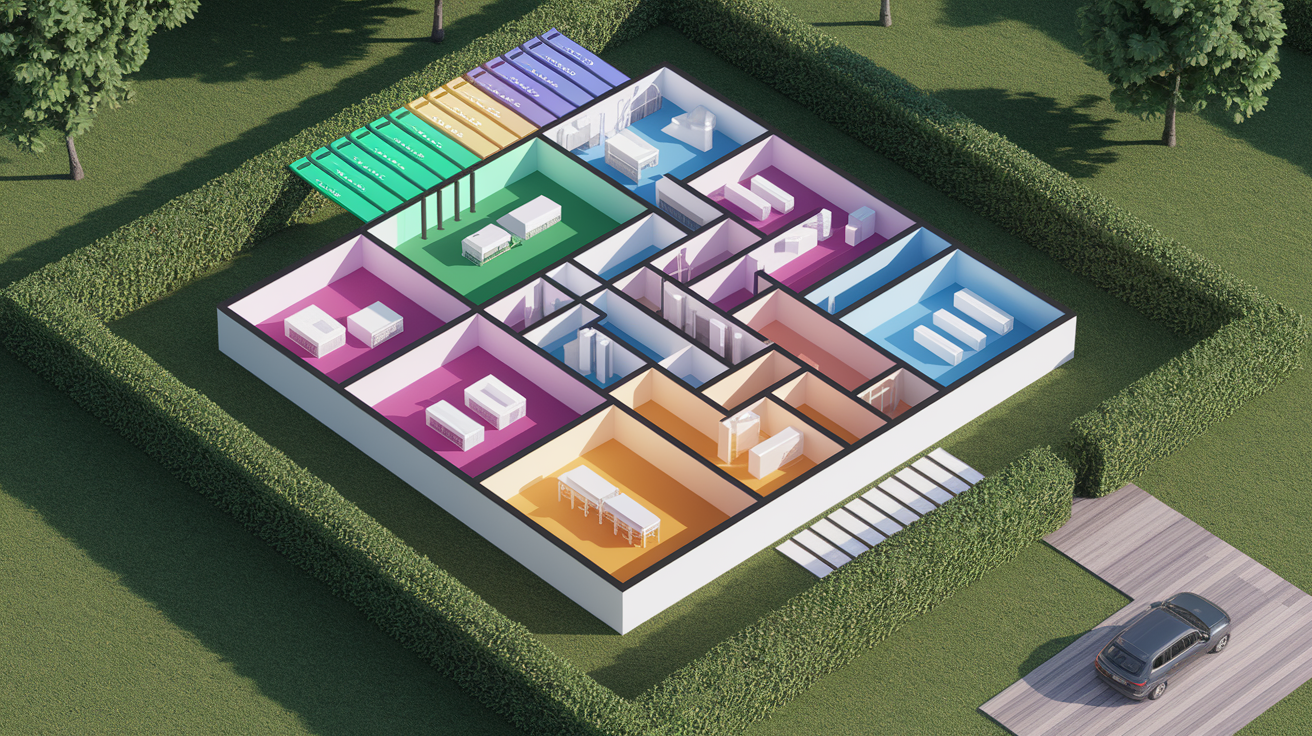
Property configuration creates unique restoration challenges beyond simple square footage. How your home is laid out, where the damage occurred, and whether the space is occupied all affect timeline.
| Property Configuration | Restoration Challenge | Typical Duration Impact |
|---|---|---|
| Multi-Story Coordination | Equipment and materials must be moved between floors, requiring additional setup time and labor | 3 to 7 additional days for vertical coordination |
| Basement-Only Damage | Limited natural ventilation and lower temperatures slow drying despite equipment | 2 to 5 extra drying days compared to above-grade spaces |
| Attic and Roof Access | Confined spaces limit crew size and equipment options, slowing all phases | 1 to 2 weeks depending on scope |
| Crawl Space Work | Restricted height and access points reduce efficiency for all tasks | 5 to 10 days depending on affected area size |
| Scattered Damage Across Multiple Rooms vs. Concentrated Area | Multiple small areas require repeated equipment setup and trade coordination | 1 to 2 weeks compared to single large area with same square footage |
| Occupied vs. Vacant Properties | Working around residents requires daily equipment setup and breakdown, protective measures, and limited work hours | 1 to 3 weeks across full project timeline |
Accessibility challenges and equipment positioning in difficult spaces slow down every phase. Crawl spaces often require technicians to work on their stomachs or knees, which cuts productivity significantly compared to standing height work areas. Attics with limited headroom and insulation create hot, confined conditions that limit how long crews can work safely in a single shift.
Basements present particular challenges during the drying phase. Even with dehumidifiers running, below grade spaces naturally have higher humidity and cooler temperatures than above grade rooms. Those conditions slow evaporation rates, extending drying time by 2 to 5 days compared to identical materials in a ground level room.
Multiple small affected areas throughout a property can take longer than one large concentrated area due to setup and coordination requirements. If water damage affects a bathroom, a hallway, and two bedrooms in different parts of the house, crews must set up containment barriers, move equipment, and coordinate trades in four separate zones. A single 500 square foot area might dry faster and reconstruct more efficiently than four 125 square foot areas scattered across different floors, even though the total square footage is identical. Each separate zone adds setup time, requires its own moisture monitoring, and increases the complexity of trade scheduling during reconstruction.
Contractor Availability and Scheduling Realities in Restoration Projects

Restoration work follows a strict sequence. Demo must finish before electrical and plumbing rough-in can begin. Those trades must complete before insulation goes in. Insulation must pass inspection before drywall installation. Drywall must be finished and primed before trim carpentry and painting. Each phase depends on the previous phase reaching completion and passing inspection if required.
Specialty trades like licensed electricians, plumbers, HVAC technicians, and flooring installers must be scheduled around their availability, which can add 2 to 5 business days between phases. A restoration company might finish drywall on a Friday and need an electrician to rough in new outlets before continuing. If that electrician’s next available date is the following Wednesday, the project pauses for several days even though the restoration crew is ready to move forward.
Seasonal demand spikes create broader availability challenges. After hurricanes, winter freezes, or widespread storms, every restoration company and contractor in the affected region gets flooded with calls at once. During these periods, timelines extend across every phase. Equipment rental availability tightens. Material suppliers run low on common items like drywall, insulation, and flooring. Subcontractors book out weeks in advance instead of days. A project that would normally take 4 weeks might stretch to 6 or 8 weeks simply due to resource constraints beyond any single company’s control.
Working with full-service restoration companies that coordinate all trades internally typically reduces overall duration compared to homeowners managing multiple contractors. When one company handles mitigation, reconstruction, and finishing, they control scheduling for most phases and maintain consistent communication across trades. Handoff delays between separate companies get eliminated. The project manager knows the exact status of drying, demo, and reconstruction without waiting for callbacks from independent contractors. This integrated approach often cuts 1 to 3 weeks from total project duration compared to a fragmented approach using multiple unrelated companies.
Ways to Minimize Your Residential Restoration Timeline

Technical work requirements set a baseline duration that can’t be rushed safely, but avoidable delays often add more time to projects than the actual restoration work requires. You’ve got significant control over these preventable extensions.
Call for emergency service immediately when damage happens. Every hour of delay adds moisture penetration, increases material absorption, and extends the drying phase. Responding within hours significantly reduces drying time and prevents mold growth.
Notify your insurance carrier within 24 hours of the damage event. Early notification starts the claim process and gets an adjuster assigned to your case. Waiting several days to call your insurance company delays every step after that.
Pre-approve common repairs and standard reconstruction materials during the initial assessment. If you know your damaged carpet will be replaced, approve the style and quality level early rather than waiting until installation day approaches. Material selection delays add days or weeks to timelines.
Stay available for decision points throughout the project. When the project manager calls about an unexpected condition or asks you to choose between two repair approaches, respond the same day. A 2 day delay in decision making becomes a 2 day extension to your overall timeline.
Clear access to affected areas before crews arrive. Move furniture, stored items, and personal belongings out of work zones. Crews shouldn’t spend billable time moving household items when they could be extracting water or placing equipment.
Maintain regular communication with your project manager. Check in every 2 to 3 days even if they haven’t called you. Ask about progress, upcoming phases, and whether any decisions are needed soon. Proactive communication prevents small delays from becoming large ones.
Have material selections ready before reconstruction begins. If you’re replacing flooring, cabinets, or fixtures, choose products and confirm availability before demo finishes. Waiting until drywall is complete to start shopping for flooring adds unnecessary weeks.
Schedule your final walkthrough promptly when the project manager indicates substantial completion. The project isn’t officially complete until you’ve inspected the work and signed off. Delaying the walkthrough by a week delays final invoicing and insurance claim closure by the same amount.
The 24 to 48 hour window for water damage response matters significantly. Water damage addressed within the first 24 hours typically dries in 3 to 5 days. The same damage left untreated for 48 to 72 hours often requires 5 to 7 days of drying, plus additional antimicrobial treatment as mold begins establishing. Each day of delay before mitigation starts can add multiple days to the drying phase and increase the likelihood that materials need replacement rather than drying in place.
You can’t control permit processing times, weather conditions affecting drying rates, material delivery schedules from manufacturers, or insurance adjuster availability. You can influence response time, decision speed, material selection timing, and communication quality. Focusing on the controllable factors keeps projects moving at the fastest pace the technical work allows.
Sample Restoration Timelines for Common Damage Scenarios
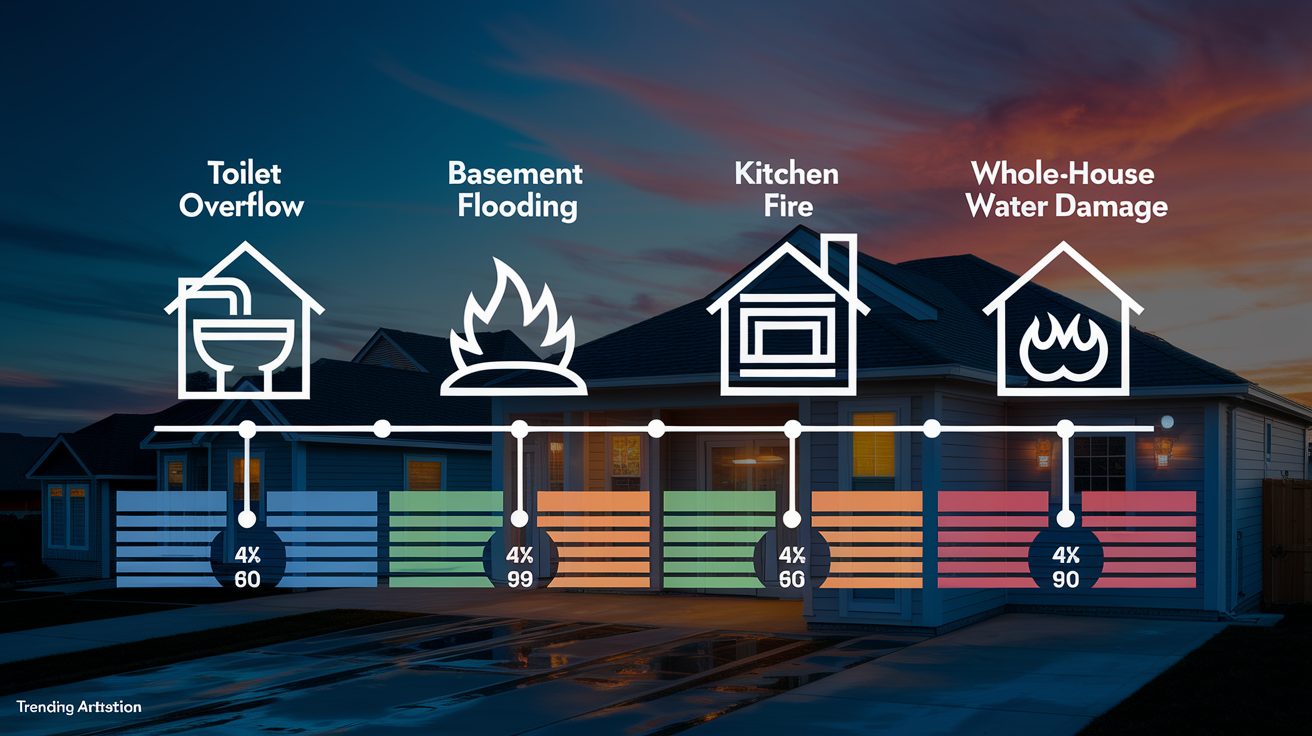
These examples show how the phases combine in real situations, giving you a reference point for your own project.
Scenario 1: Bathroom Toilet Overflow (Clean Water)
A toilet supply line breaks on the second floor, flooding the bathroom and leaking into the ceiling of the room below. Water is Category 1 clean. The bathroom has tile flooring, and the room below has carpet and drywall ceiling.
Emergency response and extraction happen within 4 hours. Equipment placement begins the same day. Drying runs for 48 to 72 hours with moisture checks twice daily. The tile bathroom dries quickly, but the ceiling drywall below and carpet require the full 3 days. If the ceiling drywall stayed relatively dry and didn’t sag, it might be saved. Carpet padding gets removed on day 1, carpet dries over 3 days.
Reconstruction involves ceiling repair or replacement in the lower room, repainting, and carpet reinstallation. Total timeline runs 5 to 7 days from initial call to completion if no drywall replacement is needed, or 7 to 10 days if ceiling drywall needs replacing.
Scenario 2: Basement Flooding from Storm
Heavy rain causes groundwater to enter a finished basement through foundation cracks. Water covers the floor to a depth of 3 inches across 600 square feet. Category 2 gray water due to ground contact.
Day 1 includes emergency response, water extraction using truck mounted pumps, and removal of wet carpet and padding. Baseboards get removed to allow wall cavity drying. Equipment placement happens the same day with 8 air movers and 2 large dehumidifiers.
Days 2 through 7 involve continuous drying with daily moisture monitoring. The concrete slab holds moisture longer than the drywall, requiring a full week of dehumidification. Affected drywall gets cut 2 feet up from the floor on day 2 after initial moisture mapping confirms saturation height.
Weeks 2 and 3 cover demo completion, antimicrobial treatment, insulation replacement, new drywall installation and finishing, baseboard installation, priming and painting.
Weeks 3 through 5 involve new carpet installation, trim painting, and final details. Total timeline runs 4 to 6 weeks from storm event to final walkthrough.
Scenario 3: Kitchen Fire with Smoke Damage
A grease fire starts on the stovetop and spreads to the range hood and upper cabinets before being put out. Flames damage 40 square feet of cabinets and ceiling. Smoke travels through the open concept layout into the living room and dining area, affecting 1,200 square feet total.
Week 1 focuses on soot cleanup, odor treatment with hydroxyl generators, and surface sealing. All affected areas get cleaned with specialized detergents. HVAC system gets inspected and ductwork cleaned to remove soot.
Weeks 2 and 3 involve demo of damaged cabinets and ceiling drywall in the kitchen, removal of smoke saturated insulation, and framing repairs where fire damaged studs.
Weeks 4 through 7 cover new drywall installation and finishing, cabinet ordering and installation, countertop templating and installation, electrical and plumbing reconnection, backsplash tile, painting throughout affected areas.
Weeks 8 through 10 include final trim work, appliance reconnection, range hood installation, touch-up painting, and deep cleaning. Total timeline runs 7 to 10 weeks from fire event to project completion, heavily dependent on cabinet lead times.
Scenario 4: Whole-House Water Damage from Burst Pipe
A main water line ruptures inside an exterior wall during a freeze event, flooding the wall cavity and spreading across multiple rooms on two floors before the homeowner discovers the issue 6 hours later. Category 1 clean water affects 2,000 square feet across 6 rooms including kitchen, two bathrooms, hallway, and two bedrooms.
Days 1 and 2 include emergency response, water extraction from all affected areas, carpet and padding removal, baseboard and trim removal, and equipment placement throughout the home. 20 air movers and 6 commercial dehumidifiers run continuously.
Days 3 through 12 involve intensive drying and monitoring. Affected drywall gets removed in sections after moisture mapping reveals saturation extending 3 to 4 feet up most walls. Hardwood flooring in the hallway shows cupping and gets removed on day 5 after moisture readings confirm it won’t return to shape.
Weeks 2 through 4 cover demo completion, antimicrobial treatment of all wall cavities, insulation replacement, subfloor drying and repair, plumbing inspection and repair of the burst line.
Weeks 5 through 12 involve framing repairs, new drywall installation across multiple rooms, drywall finishing and texturing, electrical and plumbing fixture reinstallation, new hardwood flooring installation and finishing in the hallway, carpet installation in bedrooms, tile work in bathrooms, cabinet repair or replacement in the kitchen, painting throughout all affected areas, trim carpentry, and final fixture installation.
Weeks 13 through 16 include final details, touch-up work, deep cleaning, and final walkthrough. Total timeline runs 12 to 16 weeks from pipe burst to complete restoration, with cabinet and flooring lead times representing the longest variables.
Questions to Ask Your Restoration Company About Timeline Expectations

Timeline discussions during initial assessment reveal whether a restoration company provides realistic expectations and maintains strong communication. Detailed answers to specific questions help you understand what to expect and identify companies that have clear processes.
What is your estimated timeline for each phase of my specific project? Ask for breakdown by emergency response, drying, demo, and reconstruction with specific day or week ranges.
How will you communicate daily progress during the drying phase? Find out if technicians provide verbal updates, text message summaries, or written daily reports with moisture readings.
What moisture monitoring protocols do you follow, and how will I know when drying is complete? Ask about moisture meter readings, thermal imaging frequency, and what readings indicate safe levels for reconstruction.
How do you communicate delays if they occur? Understand whether the project manager calls immediately when issues arise or if you’ll discover delays only when expected work doesn’t happen.
What decisions will I need to make during the project, and when will those decision points occur? Identify material selections, repair versus replace choices, and scope adjustments you’ll face so you can prepare.
How do you coordinate specialty trades like electricians, plumbers, and flooring installers? Learn whether trades are in house, preferred subcontractors, or your responsibility to schedule.
What are your equipment operation schedules, and will equipment run 24 hours during drying? Confirm continuous operation expectations and whether you’ll need to manage equipment or if technicians handle all adjustments.
What criteria define project completion, and how does the final inspection work? Understand what gets checked during walkthrough, who performs final moisture verification, and what happens if you identify concerns.
What does your warranty cover, and for how long after project completion? Ask about workmanship warranties, material warranties, and what happens if moisture issues reappear.
What specific factors could extend my timeline beyond your current estimate? Get the company to identify potential variables like hidden damage discovery, permit delays, or material backorders upfront.
Red flags include vague answers like “a few weeks” without phase breakdowns, unwillingness to provide written timeline estimates, or promises that seem unrealistically fast compared to industry standards. If a company guarantees a whole house water damage restoration in 10 days when similar projects typically take 6 to 8 weeks, they’re either cutting corners or providing false expectations. Companies with strong processes provide detailed timelines, explain variables honestly, acknowledge factors outside their control like permit processing, and commit to regular communication rather than promising unrealistic speed.
Final Words
So, how long does residential restoration take?
For most homeowners, you’re looking at anywhere from a few days for simple water cleanup to several months for major fire reconstruction. The actual timeline depends on what got damaged, how bad it spread, and what your home needs to be livable again.
The good news is that restoration follows a predictable process. Emergency teams show up fast, mitigation happens in the first week, and then reconstruction moves through steady phases until you’re back home.
Working with a restoration company that handles the whole job, communicates clearly, and coordinates all the trades keeps things moving. You’ll get through this.
FAQ
How long does a restoration project take?
A restoration project takes anywhere from 3 days to 16 weeks depending on damage type, severity, and project complexity. Small clean water incidents may complete in 48 hours, while major fire or flood damage requiring full reconstruction can extend 3 to 4 months from emergency response through final walkthrough.
Which is the most urgent issue when repairing a house?
The most urgent issue when repairing a house is safety stabilization and water extraction within the first 24 to 48 hours. Immediate response prevents secondary damage like mold growth, structural weakening, and contamination spread that can add weeks to your restoration timeline and significantly increase repair costs.
How long does a full house renovation take?
A full house restoration after major damage takes 8 to 16 weeks on average, depending on the extent of structural repairs and number of affected rooms. This timeline includes emergency mitigation in days 1 to 7, followed by demolition, reconstruction across all trades, and final finishing work.
How long does it take to do renovations in a 3,000 sq ft commercial building?
Restoration in a 3,000 square foot commercial building typically takes 6 to 12 weeks depending on damage category and business operations requirements. Larger square footage increases equipment needs, drying time, and trade coordination, with occupied buildings requiring additional setup time that extends the overall timeline.
What determines how long water damage restoration takes?
Water damage restoration duration is determined by contamination category, with clean water taking 3 to 10 days, gray water requiring 5 to 14 days, and black water from sewage extending to 2 to 6 weeks. Severity, affected materials, and hidden moisture spread also significantly impact total restoration time.
Can I stay in my home during restoration work?
You can stay in your home during restoration work in most cases, but occupied properties typically add 20 to 30 percent to project duration due to daily equipment setup, breakdown, and work area containment. Safety concerns with sewage contamination or major fire damage may require temporary relocation.
How do I know when the drying phase is complete?
The drying phase is complete when moisture meter readings in affected materials match unaffected reference areas throughout your property. Professional technicians use moisture meters and thermal imaging cameras daily to monitor progress, with most drying taking 3 to 7 days depending on materials and environmental conditions.
What delays restoration projects the most?
Insurance adjuster scheduling and permit approvals delay restoration projects the most, potentially adding 1 to 3 weeks to your timeline. Weather conditions, material delivery delays, homeowner decision delays, and discovery of hidden damage during demolition also commonly extend project duration beyond initial estimates.
Do I need permits for restoration work?
You need permits for restoration work involving structural repairs, electrical systems, plumbing modifications, or major reconstruction that changes your home’s footprint or systems. Permit applications and required inspections typically add 5 to 15 business days to your restoration timeline depending on local jurisdiction requirements.
How does fire damage restoration differ from water damage?
Fire damage restoration differs from water damage by requiring extensive soot cleanup, odor removal, and smoke damage treatment before reconstruction begins, adding 1 to 2 weeks to initial mitigation. Fire projects also commonly involve multiple trades for structural repairs, electrical, and HVAC work, extending timelines to 8 to 16 weeks.
What happens if more damage is found during restoration?
If more damage is found during restoration, your contractor documents the discovery, adjusts the scope of work, and submits updated estimates to your insurance carrier. Hidden damage discovery typically adds 3 to 10 business days for re-inspection and approval, plus additional repair time depending on the extent.
How often will I receive updates during restoration?
You will receive updates during restoration daily during active mitigation phases and weekly during reconstruction from professional restoration companies. Technicians monitoring drying equipment return daily to check progress, while project managers provide regular communication about trade scheduling, material deliveries, and timeline adjustments.
