
A small kitchen fire can fill your entire home with toxic smoke in minutes, not just the room where it started. Most people think the damage stops when the flames do. It doesn’t. Smoke particles travel through air vents, settle in hidden spaces, and keep releasing chemicals that corrode metal and harm your lungs long after the emergency’s over. This guide walks you through what smoke damage actually does to your home, how to assess severity, what professional cleanup costs, and how to handle the insurance claim without getting stuck with surprise expenses.
Understanding Kitchen Fire Smoke Damage: What It Is and Self-Assessment Framework
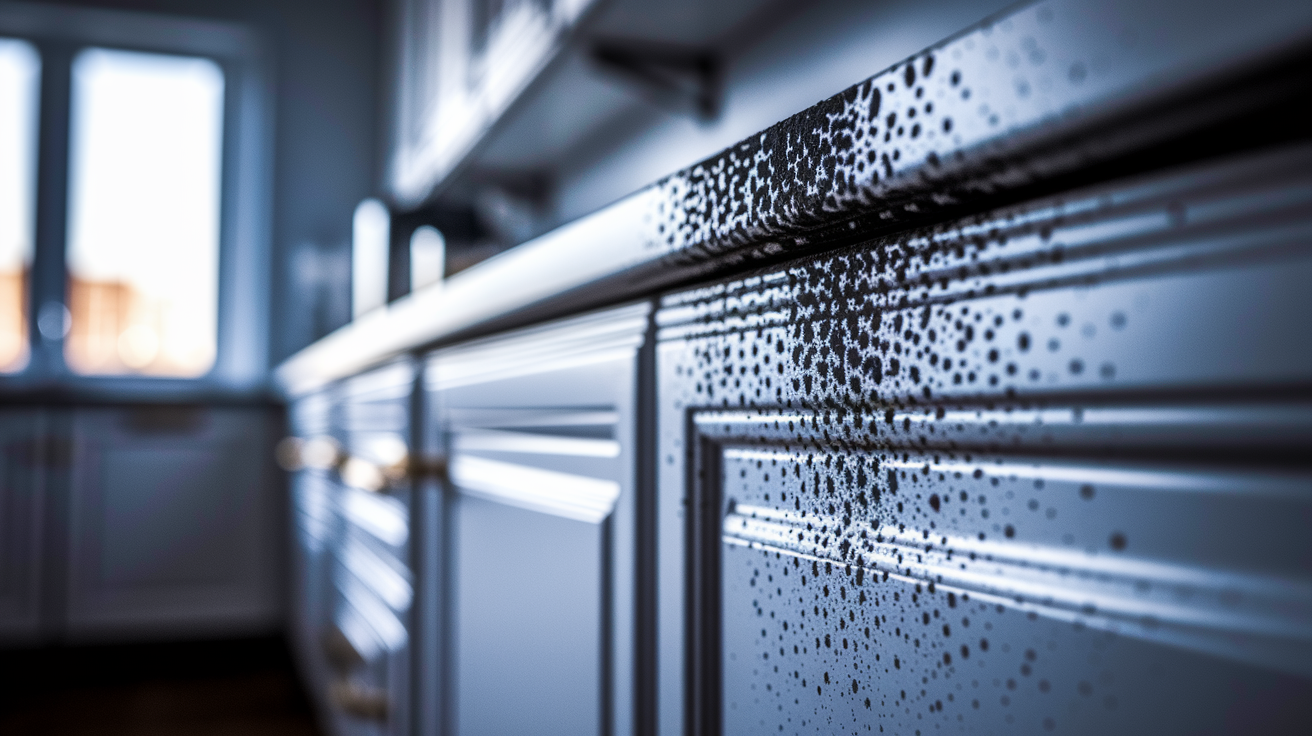
Kitchen fire smoke damage is the contamination and destruction from toxic particles, soot, and combustion residue that spread through your home after a kitchen fire, even after the flames are out. Unlike fire damage where flames actually touch surfaces, smoke damage hits areas far from the kitchen through airborne particles that work their way into every porous surface, HVAC system, and hidden space in your property.
| Damage Severity | Indicators | Recommended Action |
|---|---|---|
| Minor | Localized to kitchen, light soot, faint odor | Self-assessment possible, potential DIY cleanup |
| Moderate | Smoke in adjacent rooms, visible residue on multiple surfaces, persistent odor | Professional assessment recommended |
| Severe | Smoke throughout home, HVAC contamination, structural concerns, health symptoms | Immediate professional restoration required |
Smoke particles are tiny. They travel through ventilation systems, air currents, and the smallest gaps in your home’s structure. What starts as visible soot in the kitchen becomes an invisible invasion into walls, ceilings, HVAC ductwork, closets in bedrooms, and fabrics everywhere. These particles don’t stay put. They settle on surfaces you’d never expect, like inside cabinets, behind outlet covers, and in spaces you can’t see without tearing into drywall or flooring.
The combustion residue contains toxic particles from burned plastics, synthetic materials, paints, and whatever was in your kitchen. You’re dealing with carcinogens, acidic compounds that corrode metal and break down materials over time, and carbon monoxide that might still hang around in enclosed spaces. Different materials produce different types of smoke. Burned food creates sticky protein residue. Grease fires leave heavy oily deposits. Synthetic materials release chemical laden soot that needs specialized removal.
Immediate health hazards include respiratory issues from breathing toxic particles, carbon monoxide poisoning in poorly ventilated areas, skin irritation from touching soot, and long term exposure risks including cancer from carcinogenic compounds. Acidic smoke residue keeps damaging your property even after the fire’s out, eating away at metal surfaces, discoloring walls, and weakening structural materials.
Immediate Safety Actions and Health Risk Management After Kitchen Fire Smoke Exposure
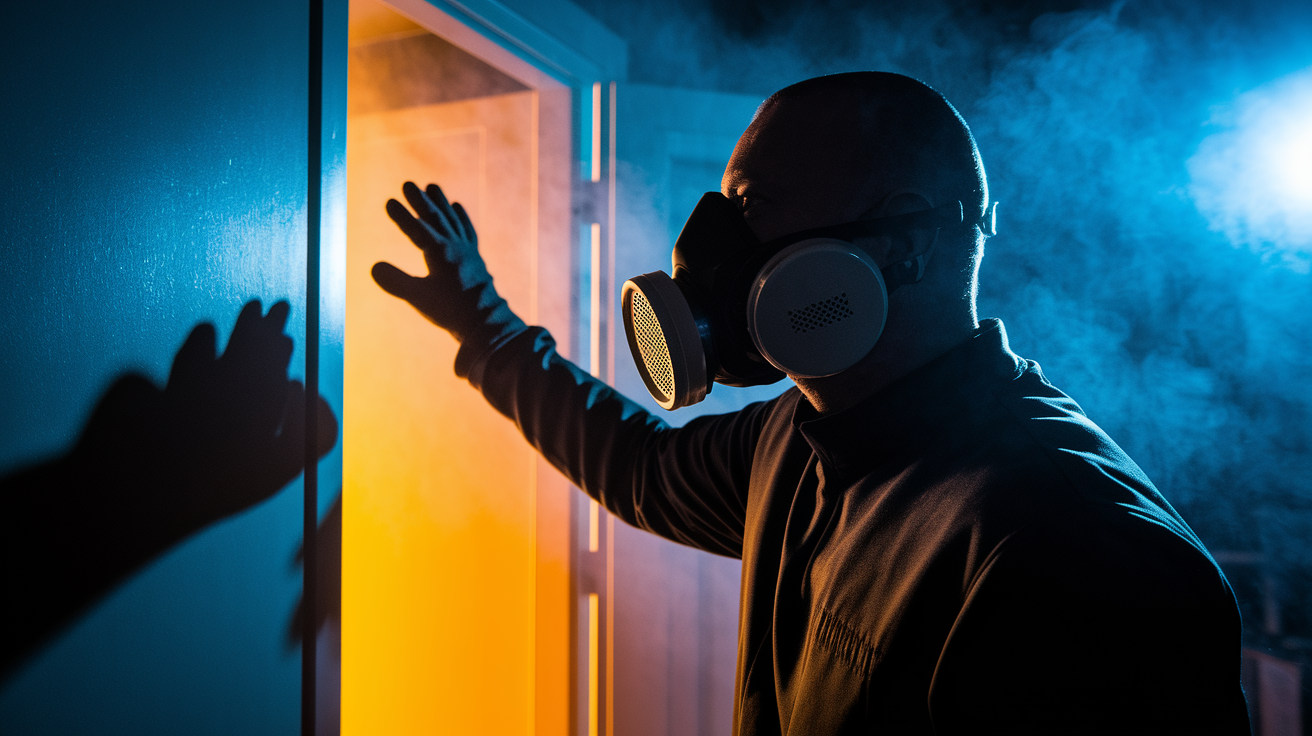
Don’t enter your home until the fire marshal or fire department says it’s safe. Even small kitchen fires can mess with structural integrity, create invisible gas leaks, or leave materials smoldering that reignite hours later.
Before any assessment or cleanup starts, you need protective gear. At minimum, wear N95 masks or respirators to filter toxic particles, heavy duty gloves to keep carcinogens and acidic compounds off your skin, long pants and sleeves to protect yourself, boots or closed toe shoes, and eye protection against airborne irritants.
- Wait for fire marshal clearance and official safety inspection before you go inside
- Put on full protective equipment including N95 mask, gloves, long sleeves, pants, and boots before entering
- Document all visible damage with photos and video from different angles before touching or moving anything
- Contact your homeowners insurance within 24 hours and let them know what happened
- Don’t touch electrical systems, outlets, switches, or appliances until professionals check them
- Secure the property by boarding up openings and locking doors so nobody gets in who shouldn’t
Toxic particle exposure from kitchen fire smoke creates immediate and long term health risks. Carcinogens from burned plastics and synthetic materials increase cancer risk with extended exposure. Acidic compounds irritate mucous membranes and can cause chemical burns on skin. Carbon monoxide might still be present in enclosed spaces, creating poisoning risk even after flames are gone. Particles small enough to get deep into lungs cause respiratory damage that gets worse with continued exposure.
Watch for persistent coughing or trouble breathing, severe headaches or dizziness that might mean carbon monoxide exposure, skin rashes or burns or irritation from contact with soot or residue, eye redness or tearing or burning sensations, and chest tightness or wheezing.
Get medical help right away if you or anyone in your household experiences these symptoms, especially respiratory distress or signs of carbon monoxide poisoning like confusion, nausea, or loss of consciousness.
How Smoke Damage Spreads and Affects Your Home

Smoke and soot particles don’t stay in the kitchen. They travel through your HVAC system’s return air vents, pushed by air pressure changes and normal ventilation operation. Within minutes of a kitchen fire, contaminated air circulates through ductwork and comes out supply vents in every room, dropping microscopic toxic particles on surfaces throughout your entire home.
Different burning materials create different types of combustion residue, and each needs specific cleaning approaches. Organic materials like wood, paper, and natural fabrics burning at low temperatures create wet residue that smears easily. Fast burning synthetic materials at high temperatures produce dry, powdery residue. Kitchen fires involving food create sticky protein residue that sticks to everything. Grease fires leave the toughest oily deposits that penetrate deep into porous surfaces.
| Residue Type | Source Materials | Surfaces Affected | Cleaning Difficulty |
|---|---|---|---|
| Wet Residue | Low-heat organic materials | Fabrics, wood, paper | Moderate |
| Dry Residue | High-heat fast-burning materials | Non-porous surfaces, metals | Easier |
| Protein Residue | Kitchen-specific burned food | All surfaces with sticky film | Difficult |
| Fuel-Oil Residue | Grease fires | Porous materials, cabinets | Very Difficult |
Visible damage includes wall discoloration ranging from yellow staining to black soot deposits, ceiling stains especially near heat sources and ventilation openings, and different contamination patterns depending on whether surfaces are porous or not. Porous materials like drywall, wood, and unsealed concrete absorb smoke particles deep into their structure. Surface cleaning won’t cut it. Non-porous materials like metal, glass, and sealed countertops let particles sit on the surface but still need specialized cleaning to prevent permanent etching from acidic compounds.
Cabinet damage goes way beyond what you see. Kitchen cabinets need complete removal of doors and drawers to access interior spaces where smoke particles settle on hidden surfaces, shelves, and hardware. The sticky residue from protein and grease fires coats everything inside, contaminating dishes, food storage containers, and whatever you stored there. Electronics exposed to smoke develop internal contamination that causes early failure. Metal surfaces throughout your home start tarnishing right away as acidic compounds in smoke residue react with aluminum, brass, copper, and stainless steel. Flooring, especially porous materials like unsealed wood or carpet, traps smoke particles that keep releasing odors for months if not properly treated. Grease fire residues penetrate deeper than other types, making them particularly tough to remove from any porous surface.
HVAC system contamination is one of the most serious smoke damage concerns. Ductwork acts as a delivery system, pulling contaminated air from the kitchen and dropping toxic particles throughout every room connected to your ventilation. Air filters become completely loaded with soot and need replacement, never cleaning. Exhaust fans and range hoods collect heavy grease and smoke residue that cuts efficiency and creates fire hazards. Even small kitchen fires need professional inspection of electrical systems, gas lines, and ductwork because hidden damage often exists where you can’t see it.
Hidden secondary damage spreads through your home’s ventilation infrastructure, creating contamination in areas that look completely untouched by the fire. Smoke travels through wall cavities, gets into insulation, and settles in attic spaces. The whole home impact means that fixing only visible kitchen damage leaves toxic particles throughout your property, continuing to cause health problems and material breakdown long after you think cleanup’s done.
DIY Kitchen Fire Smoke Damage Cleanup Methods and Limitations
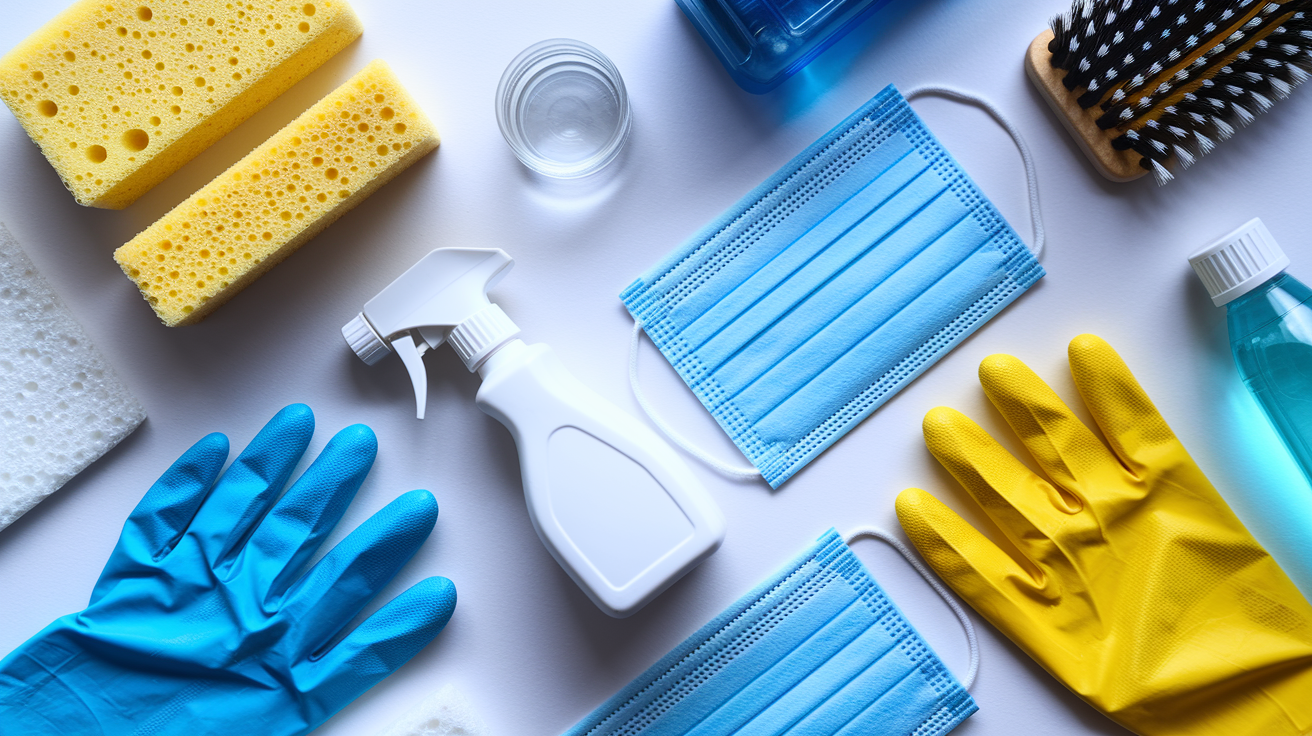
DIY cleanup only works for very minor, localized smoke damage that’s clearly stuck in the kitchen area with no spread to other rooms, no HVAC involvement, and no structural concerns.
Don’t try DIY if smoke spread beyond the kitchen into adjacent rooms, hallways, or upper floors, your HVAC system shows any signs of contamination like soot near vents or smoke odor when the system runs, you see visible structural damage including charred framing, sagging ceilings, or compromised flooring, you’ve got persistent strong odors that stick around after initial surface cleaning attempts, or household members are having respiratory problems, persistent coughing, or other health symptoms.
Tools and Products for Smoke Residue Removal
Chemical sponges, also called dry cleaning sponges, are specialized rubber sponges that lift soot without water or chemicals. They work through a dabbing motion that pulls particles off surfaces rather than smearing them. TSP (trisodium phosphate) solution is powerful for hard surfaces but needs careful handling and thorough rinsing. Soap free alkaline detergents work best on plastic and painted surfaces because they don’t leave residue or cause discoloration. Metallic surfaces like stainless steel appliances need different products than painted walls. Using the wrong cleaner can permanently damage the finish.
Protective equipment isn’t optional even for DIY cleanup. N95 masks or better respirators filter toxic particles that household dust masks miss. Heavy duty chemical resistant gloves protect your skin from both the soot’s carcinogenic compounds and the strong cleaning chemicals you’ll use. Eye protection prevents irritation from airborne particles disturbed during cleaning. Surface specific approaches matter. What works on stainless steel will damage painted cabinets, and methods safe for tile backsplashes can ruin drywall.
Step-by-Step DIY Cleaning Process
- Confirm you have fire marshal clearance to enter and work in the space, then ventilate the area by opening windows and using fans to pull contaminated air outside
- Put on all protective equipment before you start any cleaning work
- Use dry cleaning sponges first with a dabbing motion to lift surface soot. Never wipe or scrub at this stage because you’ll smear particles deeper into materials
- Wet clean with the right cleaning solution for each specific surface type, working from top to bottom and following product instructions for dilution and contact time
- Rinse thoroughly with clean water and dry completely to prevent water damage and mold growth
- Remove cabinet doors and drawers to access and clean all interior surfaces where smoke particles settle
- Repeat the entire process if residue or odor stays after the first cleaning
Common mistakes that make smoke damage worse include using standard household cleaners that smear soot deeper into porous surfaces instead of removing it, scrubbing hard instead of dabbing which pushes particles into materials, mixing incompatible cleaning products that create toxic fumes or ineffective solutions, and skipping protective equipment which exposes you to carcinogens and toxic compounds. If your DIY efforts aren’t showing clear improvement after the first attempt, you’ve hit the limit of what non-professional methods can do.
Professional Smoke Damage Restoration Process

Professional restoration becomes necessary when smoke damage goes beyond minor surface contamination in the kitchen or when DIY methods fail to get rid of odors and visible residue.
Certified technicians bring specialized training in spotting hidden damage, understanding how different combustion residues need different treatment approaches, and using professional grade equipment that’s not available to homeowners. They also carry proper insurance and certifications that protect you from liability if something goes wrong during restoration.
- 24 hour emergency response with technicians showing up equipped for immediate containment and assessment
- Comprehensive damage assessment including hidden structural issues, HVAC system inspection, electrical system evaluation, and moisture detection from firefighting efforts
- Containment setup with negative air pressure systems that prevent cross contamination to unaffected areas during cleaning
- Soot and smoke particle removal using HEPA vacuuming that captures microscopic particles regular vacuums just blow around
- Specialized deodorization treatments applied based on residue type and severity
- HVAC system and ductwork professional cleaning that removes particles from every section of your ventilation infrastructure
- Air filter replacement throughout the entire HVAC system including furnace filters, return air filters, and any inline filtration
- Final inspection and air quality testing to confirm toxic particle levels are safe before you move back in
Specialized equipment makes the difference between surface level cleaning and true restoration. Thermal foggers spread deodorizing particles that get into the same spaces smoke reached, neutralizing odors at the molecular level. Ozone treatment uses O3 molecules that chemically react with and break down odor causing compounds, though the space needs to be empty during treatment. Hydroxyl generators provide similarly powerful deodorization but work safely in occupied spaces, making them ideal when you can’t leave your home for long periods. HEPA filtration captures 99.97% of particles down to 0.3 microns, far smaller than what standard filters catch. Industrial air scrubbers process thousands of cubic feet per minute, continuously removing contaminated air and replacing it with filtered air.
HVAC specific restoration needs professional ductwork cleaning that goes beyond what standard HVAC maintenance provides. Technicians use rotating brushes and negative air machines to knock loose and pull out smoke particles from every duct section, including main trunks, branch lines, and individual room supplies. Contaminated air filters throughout the system get replaced. Trying to clean and reuse them just spreads particles around. Exhaust fans and range hoods need inspection and repair because smoke damage often wrecks motors, bearings, and electrical components. Professional equipment is necessary for ventilation system decontamination because smoke particles settle in areas you can’t reach without specialized tools, and incomplete cleaning means your HVAC system keeps spreading toxic particles every time it runs.
Smoke Odor Elimination Techniques That Actually Work

Smoke odors stick around after visible cleaning is done because particles get deep into porous materials where surface cleaning can’t reach. Drywall absorbs smoke into its gypsum core. Wood framing, subflooring, and structural elements trap particles in grain patterns and tiny cracks. Insulation becomes loaded with odor causing compounds that release smell for months or years if not replaced.
For minor localized odors, absorption methods using activated charcoal or baking soda can help. Place bowls of activated charcoal in affected areas where the porous carbon structure traps odor molecules from the air. Baking soda works similarly when left in open containers or sprinkled on surfaces like cabinet interiors and then vacuumed after 24 hours. These methods work slowly and only address airborne odors, not particles embedded in materials.
Professional deodorization techniques attack the problem at the molecular level. Thermal fogging releases a dense mist of deodorizing particles heated to match smoke’s behavior when the fire happened, letting the treatment get into the same spaces and chemically neutralize odor molecules rather than just covering them up. Ozone treatment generates O3 molecules that react with and permanently change the chemical structure of odor causing compounds. This works powerfully but requires complete evacuation of people, pets, and plants because ozone is toxic to living things. Hydroxyl generators offer similar effectiveness by producing hydroxyl radicals that break down odor molecules but work safely in occupied spaces, making them ideal when you need to stay in your home during treatment.
Encapsulation and sealing methods become necessary when odors penetrate so deeply that removal isn’t practical. Odor blocking primers contain shellac or other sealants that trap odor molecules inside materials and prevent them from escaping into your air. After applying primer to walls, ceilings, and other porous surfaces, new paint goes on top. Without the primer step, smoke odors bleed through new paint within days or weeks. Some primers specifically made for smoke damage include additional odor neutralizing compounds and vapor barriers that stop penetration in both directions.
Complete odor removal takes time. Expect anywhere from several days for minor issues to multiple weeks for severe smoke contamination. The timeline depends on how deeply particles got in, what materials were affected, which deodorization methods your situation needs, and whether any materials need replacement rather than treatment.
Repairing Structural Smoke Damage in Kitchen Areas

Smoke damage often needs structural repairs that go way beyond surface cleaning because toxic particles get into building materials, acidic compounds break down structural integrity, and heat exposure messes with materials even when they don’t burn completely.
You might need drywall replacement for sections where smoke got through paint and into the gypsum core, which shows up as discoloration that doesn’t respond to cleaning. Cabinet repair or full replacement depends on damage severity. Minor surface soot may clean successfully while deep protein or grease residue penetration requires replacement. Countertop restoration for materials like granite or quartz that can be professionally cleaned, or replacement for laminate and other porous surfaces that absorb contamination. Flooring replacement for warped, smoke saturated, or heat damaged materials including vinyl, laminate, hardwood, and carpet with padding. Appliance replacement for units with compromised electrical components, melted plastic parts, or smoke contamination in areas that can’t be cleaned. Electrical system inspection and replacement of any wiring exposed to heat or flames. Even if insulation looks intact, internal conductor damage creates serious fire and electrocution hazards.
Structural integrity inspection before rebuilding is critical. Professional assessment tests framing members, subflooring, and ceiling joists for heat damage, smoke penetration, and compromised strength. Wood exposed to high heat may look fine but have reduced load bearing capacity. Metal fasteners can weaken. Foundation elements near the fire area need evaluation. This inspection also identifies secondary water damage from firefighting efforts. Hundreds of gallons of water soak into floors, walls, and structural elements, requiring separate remediation to prevent rot and mold growth.
The reconstruction phase timeline varies from one week for minor repairs to several months for extensive rebuilds requiring structural work, permit approvals, and multiple trade contractors. The process follows a specific sequence. Structural repairs first, then rough in work for electrical and plumbing systems, followed by drywall and finishing, and finally cabinet installation, countertops, flooring, and appliance connections. Many homeowners choose to install upgraded safety features during reconstruction including automatic fire suppression systems above stoves, kitchen rated fire extinguishers in accessible locations, interconnected smoke detectors that trigger together, and dedicated electrical circuits for high wattage appliances to prevent overload situations that cause fires.
Water Damage From Fire Suppression Efforts
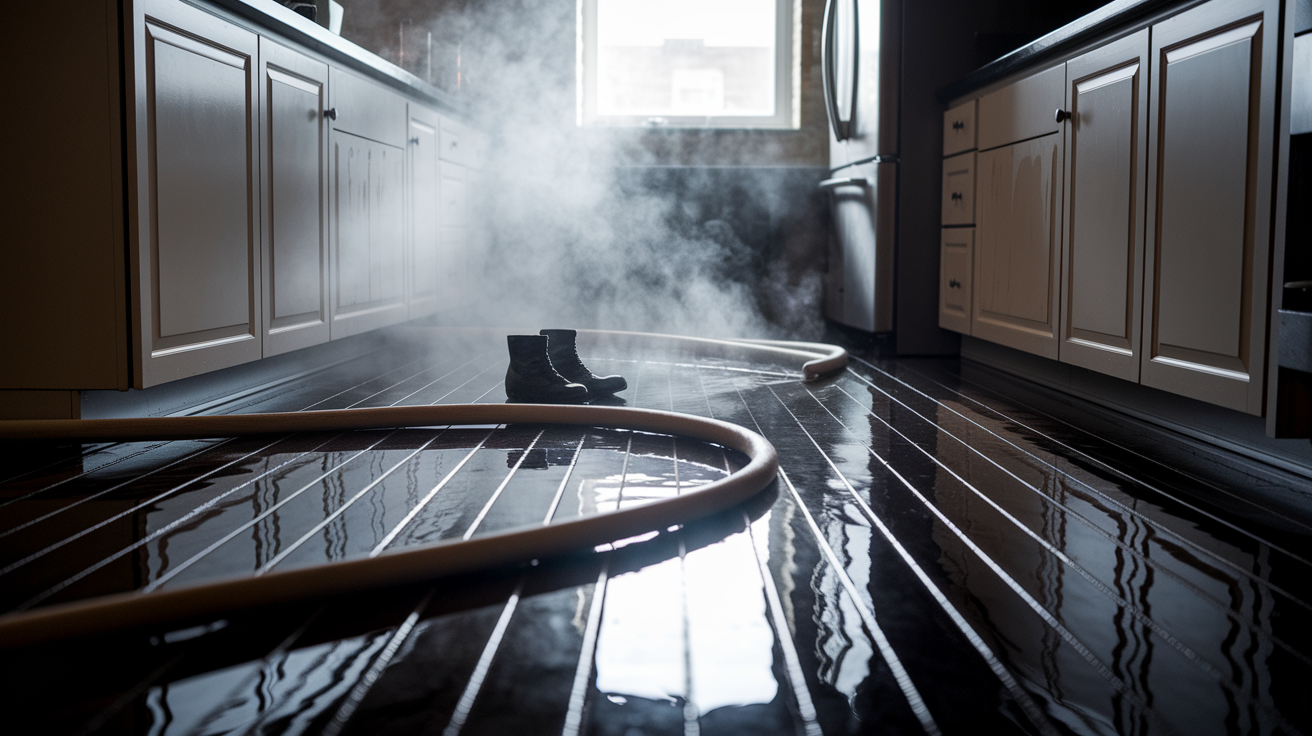
Firefighting efforts typically use hundreds of gallons of water to put out even moderate kitchen fires, creating extensive secondary water damage throughout the immediate fire area and often spreading to rooms below or next to the kitchen.
The water mitigation process has to start right away to prevent permanent damage and mold growth. Extraction begins by pumping out standing water using truck mounted or portable extractors that remove the bulk of water from floors and saturated materials. Next, waterlogged materials that can’t be saved get removed. This includes drywall that’s lost structural integrity, insulation that’s compressed and contaminated, carpet and padding that stayed wet too long, and any porous materials showing signs of mold. Commercial air movers and dehumidifiers then run continuously, sometimes for days or weeks, pulling moisture out of remaining materials and air while maintaining conditions that prevent mold growth.
Mold growth starts in as little as 48 hours after water exposure, making the timeline for water mitigation extremely tight. Materials that stay wet past that critical window develop mold colonies that need separate mold remediation services beyond basic water extraction.
Moisture detection methods include infrared cameras that spot hidden water behind walls and under floors without invasive testing, moisture meters that measure exact water content in wood and drywall, and humidity monitoring that tracks whether drying conditions are working. Monitoring procedures involve daily readings during active drying, comparisons against baseline dry readings for your specific building materials, and continued testing even after surfaces feel dry because trapped moisture in wall cavities or subflooring takes longer to evaporate. If mold growth begins despite mitigation efforts, professional mold remediation becomes necessary to safely remove contaminated materials, treat affected areas with antimicrobial solutions, and prevent spore spread to uncontaminated areas.
Kitchen Fire Smoke Damage Insurance Claims

Contact your homeowners insurance right away, within 24 hours, after the fire marshal or fire department clears you to access the property. Delayed reporting can complicate or mess up your claim.
The insurance company needs to evaluate the damage and authorize restoration work before you begin any repairs beyond emergency actions to prevent further damage. Starting unauthorized work can result in denied coverage for those repairs and disputes about whether the damage you’re claiming existed before your restoration began.
- Contact your insurer within 24 hours providing your policy number, date and time of the fire, brief description of what happened, and initial assessment of damage severity
- Document all damage with extensive photos and video before touching, cleaning, or moving anything. Capture wide shots showing entire rooms and close ups of specific damage
- Create a detailed inventory of impacted items including descriptions, estimated ages, original purchase prices if known, and current estimated replacement values
- Wait for the insurance adjuster’s inspection and damage assessment before beginning any restoration work except emergency actions like water extraction or securing openings
- Get multiple restoration estimates from certified companies with proper licensing and insurance to compare scope of work and pricing
- Keep all receipts for temporary housing, emergency expenses like hotel stays and meals, and any immediate protective actions you took to prevent further damage
- Keep a communication log including the date and time of every conversation with your insurance company, the name of who you spoke with, your claim number reference, and brief notes about what was discussed or decided
- Understand your policy’s coverage limits for dwelling repairs, personal property replacement, additional living expenses during restoration, and your deductible amount that you’ll pay before insurance coverage applies
Typical homeowners insurance coverage for smoke damage includes dwelling coverage that pays for structural repairs to your home’s physical structure including walls, floors, ceilings, and built in appliances. Personal property coverage replaces or repairs damaged belongings like furniture, clothing, dishes, and electronics based on either replacement cost or actual cash value depending on your policy. Additional living expenses coverage pays for temporary housing, increased food costs, and other expenses you run into while your home is uninhabitable during restoration. This often has time limits like 12 or 24 months and dollar caps based on your coverage amount.
Common claim denial reasons include failure to notify the insurance company quickly after the fire, not enough documentation making it hard to verify damage extent or item values, and unauthorized repairs that started before the adjuster’s inspection and approval. Avoid these problems by calling your insurer immediately, photographing everything before any cleanup begins, keeping detailed records of all expenses and communications, and waiting for explicit approval before starting any non-emergency repairs.
Cost Estimates for Kitchen Fire Smoke Damage Restoration

Restoration costs vary widely based on damage extent throughout your home, total square footage affected, types of materials contaminated, whether HVAC system cleaning is necessary, and whether structural repairs are required beyond surface cleaning and deodorization.
| Damage Severity | Typical Cost Range | Timeline | Services Included |
|---|---|---|---|
| Minor Localized Damage | $2,000–$8,000 | 3–7 days | Surface cleaning, deodorization, air filter replacement |
| Moderate Damage | $8,000–$25,000 | 1–3 weeks | HVAC cleaning, cabinet restoration, drywall repair, professional deodorization |
| Extensive Whole-Home Damage | $25,000–$80,000+ | 4–12 weeks | Full restoration, structural repairs, contents pack-out, temporary housing, electrical system replacement |
Additional costs beyond basic restoration include contents pack out and storage when belongings must be removed from your home for cleaning or to allow restoration work, typically costing $2,000 to $8,000 depending on how much needs removal and storage duration. Temporary housing during restoration runs from $1,500 to $5,000 per month or more depending on your area’s rental market and how long repairs take. Appliance replacement can add $3,000 to $15,000 depending on which units were damaged and what quality replacements you choose. Upgraded safety system installation including automatic fire suppression above stoves, interconnected smoke detectors throughout the home, and kitchen rated fire extinguishers adds $1,500 to $6,000 but seriously reduces future fire risk.
Professional assessment determines accurate cost estimates by identifying all affected areas including hidden damage inside walls or ventilation systems, evaluating which materials can be cleaned versus which need replacement, and creating a detailed scope of work with line item pricing. Getting multiple quotes from licensed, insured restoration companies lets you compare not just prices but also the thoroughness of their assessment, quality of their proposed methods, and their timeline estimates. The lowest bid isn’t always the best choice. Incomplete restoration that misses contaminated areas or uses weak methods often costs more in the long run when problems come back.
When to Call Professional Smoke Damage Restoration Services
The difference between minor smoke damage you might handle yourself and major damage requiring professional help comes down to extent of spread, HVAC system involvement, structural concerns, and whether initial cleanup attempts work.
Professional emergency fire damage restoration services operate 24 hours per day, 7 days per week, allowing immediate response when disaster strikes. Timing matters because smoke damage gets worse the longer it sits untreated, with acidic compounds continuing to corrode materials and toxic particles settling deeper into porous surfaces.
Call professionals when smoke spread throughout the entire home beyond the kitchen into bedrooms, living areas, or multiple floors, your HVAC system shows contamination including soot deposits near vents, smoke odor when the system runs, or visible residue on return air grilles, you see visible structural damage or compromised materials including charred framing, sagging ceilings, warped floors, or walls that feel soft or unstable, persistent strong odors stick around after initial DIY cleaning attempts (if surfaces look clean but smell doesn’t improve, particles are embedded too deep for surface methods), electrical system was exposed to heat or flames anywhere in the fire area even if wiring and components appear intact, extensive water damage from firefighting efforts including standing water, saturated drywall, or wet insulation, household members are having health symptoms including persistent coughing, breathing difficulty, headaches, or skin irritation, or your insurance company requires or recommends professional assessment and restoration as a condition of claim approval.
Certified restoration technicians provide comprehensive assessment that identifies all affected areas including hidden damage you can’t see, specialized equipment deployment including thermal imaging cameras, moisture meters, and air quality testing devices, containment protocols that prevent spreading contamination to clean areas during restoration work, safety testing for electrical systems, gas lines, and structural integrity, and realistic timeline estimates based on actual damage extent rather than guesswork. They also handle coordination with your insurance company including documentation requirements, scope of work approval, and supplemental estimates when hidden damage is discovered during restoration.
Preventing Future Kitchen Fires and Smoke Damage
Prevention is the best protection against smoke damage because even minor kitchen fires create contamination, health hazards, and expensive cleanup that’s way more costly than preventive measures.
Cooking safety practices form your first line of defense. Never leave cooking unattended, even for a minute. Most kitchen fires start when someone steps away from an active stove or oven. Keep flammable materials including dish towels, paper products, wooden utensils, and food packaging at least three feet away from heat sources. Maintain clean cooking surfaces by wiping up grease spills right away and deep cleaning stove tops, ovens, and range hoods regularly to prevent grease buildup that ignites easily.
Proper equipment installation and maintenance provides multiple safety layers. Install interconnected smoke detectors throughout your home, especially near the kitchen and in every bedroom, that all trigger together when one detects smoke. Test them monthly and replace batteries twice per year. Keep a kitchen rated ABC fire extinguisher within easy reach of your cooking area but not directly next to the stove where a fire might block access. Learn how to use it before you need it. Make sure you’ve got dedicated electrical circuits for high wattage appliances like electric ranges, microwaves, and refrigerators because shared circuits overload easily and cause electrical fires. Consider automatic fire suppression systems installed above stoves that detect heat and deploy extinguishing agents before small fires spread. These systems cost $1,500 to $3,500 installed but can prevent catastrophic damage.
Proper ventilation and range hood maintenance reduces fire risk while improving air quality. Range hoods need professional cleaning annually or more often if you cook frequently, because accumulated grease inside the hood and ductwork becomes fuel for fires that spread rapidly through ventilation systems. Upgraded ductwork with smooth interior surfaces and proper sealing prevents grease accumulation and efficiently vents heat, cooking smoke, and airborne grease particles outside before they can settle on surfaces or ignite. Running your range hood during all cooking activities and for 15 minutes afterward removes heat and particles that contribute to fire risk.
Final Words
Kitchen fire smoke damage goes way beyond what you can see in the kitchen.
Smoke particles travel through your whole home, settle into fabrics and walls, and contaminate HVAC systems. The residue keeps causing problems long after the flames are out.
If the damage spread past the kitchen, you’re dealing with health risks and hidden contamination that needs professional help. We’ll handle the assessment, the cleanup, the ductwork, and the rebuild so you don’t coordinate five different companies.
One call gets your home stable, safe, and back to normal.
FAQ
How do you get rid of smoke after a kitchen fire?
Getting rid of smoke after a kitchen fire requires ventilation, protective equipment, and proper cleaning methods. Open windows and doors to air out the space, wear gloves and an N95 mask, then use dry cleaning sponges to dab soot from surfaces without smearing. For minor damage, clean with TSP solution or soap-free alkaline detergent on appropriate surfaces. Change all air filters in your HVAC system. Use activated charcoal or baking soda to absorb lingering odors in affected rooms. If smoke spread beyond the kitchen or odors persist after initial cleaning, professional restoration with thermal fogging or ozone treatment is necessary to fully eliminate smoke particles and smells.
Can smoke from a house fire make you sick?
Smoke from a house fire can make you sick because it contains toxic particles including carcinogens from burned plastics, paints, and synthetic materials. The acidic compounds and carbon monoxide in smoke residue pose serious health risks. Common symptoms include respiratory irritation, persistent coughing, headaches, dizziness, skin irritation from contact, and eye irritation. These toxic particles are microscopic and penetrate deep into lungs and tissues. Long-term exposure can cause more severe respiratory issues and health complications. Seek medical attention immediately if you experience persistent coughing, difficulty breathing, severe headaches, or ongoing symptoms after exposure to house fire smoke.
Does homeowners insurance cover a kitchen fire?
Homeowners insurance typically covers kitchen fire damage under dwelling coverage for structural repairs, personal property coverage for damaged belongings, and additional living expenses for temporary housing during restoration. Contact your insurance company within 24 hours after the fire and before starting any cleanup or repairs. Document all damage with photos and video, create a detailed inventory of affected items, and wait for the adjuster’s inspection. Keep receipts for emergency expenses and temporary housing. Coverage amounts depend on your policy limits and deductibles. Common claim denials happen due to delayed notification, inadequate documentation, or starting unauthorized repairs before insurance approval.
What is salvageable after smoke damage?
What’s salvageable after smoke damage depends on the severity, material type, and how quickly restoration begins. Non-porous surfaces like metal and glass are often salvageable with proper professional cleaning. Hard surfaces including countertops and appliances may be restored if not structurally compromised. Porous materials like drywall, insulation, and fabrics that absorbed deep smoke particles often require replacement. Kitchen cabinets can sometimes be saved with thorough interior and exterior cleaning, but severely damaged units need replacement. Electronics exposed to smoke particles usually fail even if they appear functional. Professional assessment determines what can be safely cleaned versus what must be replaced to prevent health hazards and structural problems.
