
You just found mold in your bathroom, and now you’re wondering what it’ll cost to get rid of it safely. Most homeowners pay between $500 and $2,000 for professional bathroom mold removal, but your final price depends on how much mold you’re dealing with, what type it is, and whether it damaged any walls or flooring. We’ll walk you through real pricing ranges, break down what you’re actually paying for, and help you figure out if your situation needs a pro or if you can handle it yourself.
Comprehensive Bathroom Mold Removal Costs and Price Breakdown

Most homeowners pay between $500 and $2,000 for professional bathroom mold removal that safely eliminates contamination and treats affected surfaces. This bathroom range sits within the broader national average for residential mold work, currently at $2,347 across the United States as of January 2026. Small jobs tackling minor surface mold might start around $500, while larger bathrooms with serious contamination, structural issues, or toxic species can push toward $3,500 or higher once repairs get factored in.
Contractors figure bathroom mold costs using per square foot pricing that runs $2.30 to $2.80 per square foot right now. That rate applies to your bathroom’s total finished surface area (walls, ceiling, floor, plus any openings or recessed spots within that space). A typical 5×8 bathroom has 40 square feet of floor space, but you’re looking at 200 to 250 square feet of total surface area once you count all the vertical surfaces. That puts base cleaning costs at $460 to $700 before any extras or repairs.
| Cost Component | Price Range | Details |
|---|---|---|
| Professional Inspection | $150-$700 | Visual inspection alone costs $150-$250; inspection with lab testing runs $400-$700 depending on number of samples |
| Mold Removal Labor | $500-$2,000 | Bathroom specific remediation including containment, removal, treatment, and cleanup |
| Antimicrobial Materials | $50-$200 | Professional grade treatments that kill mold and prevent regrowth on treated surfaces |
| Surface Sealants and Prevention | $30-$100 | Protective coatings applied to cleaned surfaces to resist future moisture and mold |
| Structural Repairs if Needed | $500-$5,000+ | Drywall replacement, wood framing repair, flooring removal, tile work |
| Total Typical Project Cost | $800-$3,500 | Complete bathroom mold remediation including minor to moderate repairs |
Five main factors determine where your bathroom project lands in these ranges. Square footage of mold coverage matters a lot. Small spots under 10 square feet cost way less than large areas covering entire walls or multiple surfaces. Mold type and toxicity level directly impact what you’ll pay. Black mold (Stachybotrys) remediation runs $1,000 to $6,000 or more because of specialized containment protocols, protective gear requirements, and extensive air filtration needs. Affected surfaces and materials influence costs too, since porous stuff like drywall and wood needs different treatment than non-porous tile and fiberglass. The extent of moisture damage and any ongoing water intrusion adds complexity when leaks or humidity problems need fixing alongside mold removal. Accessibility creates extra expenses. Mold growing behind walls, under flooring, or in tough to reach spots requires demo work that adds hundreds to thousands in labor and reconstruction.
Base pricing for bathroom mold removal typically includes surface treatment and cleaning of all contaminated areas, grout and caulking treatment to address mold in these common problem spots, antimicrobial application using professional grade solutions, containment and protective measures to prevent spore spread to other rooms, basic exhaust fan assessment to identify ventilation problems contributing to growth, and HEPA filtration during active work to capture airborne spores. These services form the foundation of professional remediation and protect both workers and occupants.
Small bathroom projects with minor surface mold on tile, tub surrounds, or other non-porous surfaces usually cost $500 to $800 when caught early. Larger bathrooms with extensive damage, black mold requiring full containment, or structural repairs to replace water damaged drywall and framing reach the higher range of $1,500 to $3,500 or more. Testing adds $300 to $700 to your total but it’s recommended for identifying hidden mold behind walls, confirming the presence of toxic species, or documenting conditions for insurance claims.
DIY Bathroom Mold Removal Cost Comparison and Safety Considerations

DIY bathroom mold removal for small areas under 10 square feet typically costs $50 to $150 in materials and supplies compared to $500 or more for professional services, but this approach only works for minor surface mold on non-porous surfaces like tile, fiberglass tubs, and glass shower doors. The Environmental Protection Agency sets 10 square feet as the point where professional remediation becomes necessary. Anything larger poses health risks and needs specialized equipment and training that homeowners don’t typically have. Surface mold on bathroom tile can often be handled as a DIY project. But never attempt self-removal if you’re dealing with black mold, extensive growth, mold behind walls, or if anyone in the household has respiratory sensitivities or compromised immune systems.
Materials and equipment you’ll need for safe DIY mold removal:
- Commercial mold cleaner formulated for bathroom use, $15 to $30 per bottle
- N95 or N100 respirator mask to prevent spore inhalation during cleaning, $20 to $40 for quality protection
- Rubber gloves that extend past the wrist to protect hands and forearms, $5 to $10
- Protective goggles to shield eyes from cleaning solutions and airborne particles, $10 to $15
- Scrub brushes and disposable sponges for physical removal, $10 to $20
- Plastic sheeting for containment to seal off the bathroom from the rest of your home, $10 to $25
DIY removal only makes sense for minor surface mold on non-porous surfaces like ceramic tile. Don’t attempt it for black mold, large affected areas measuring 10 or more square feet, mold growth behind walls or under flooring, or when household occupants have asthma, allergies, or other respiratory sensitivities. These situations need professionals who charge $10 to $30 per square foot but have the training, equipment, and safety protocols to handle hazardous mold species and extensive contamination without spreading spores throughout your home or creating health risks.
Improper DIY mold removal can spread thousands of microscopic spores throughout your home, contaminating HVAC systems, carpets, and furniture in rooms far from the original bathroom problem. What starts as a $150 DIY project can quickly become a $2,000 or higher professional remediation job when amateur cleaning efforts make things worse by disturbing mold colonies without proper containment and filtration in place.
Professional Mold Remediation Specialists: When to Hire and What to Expect
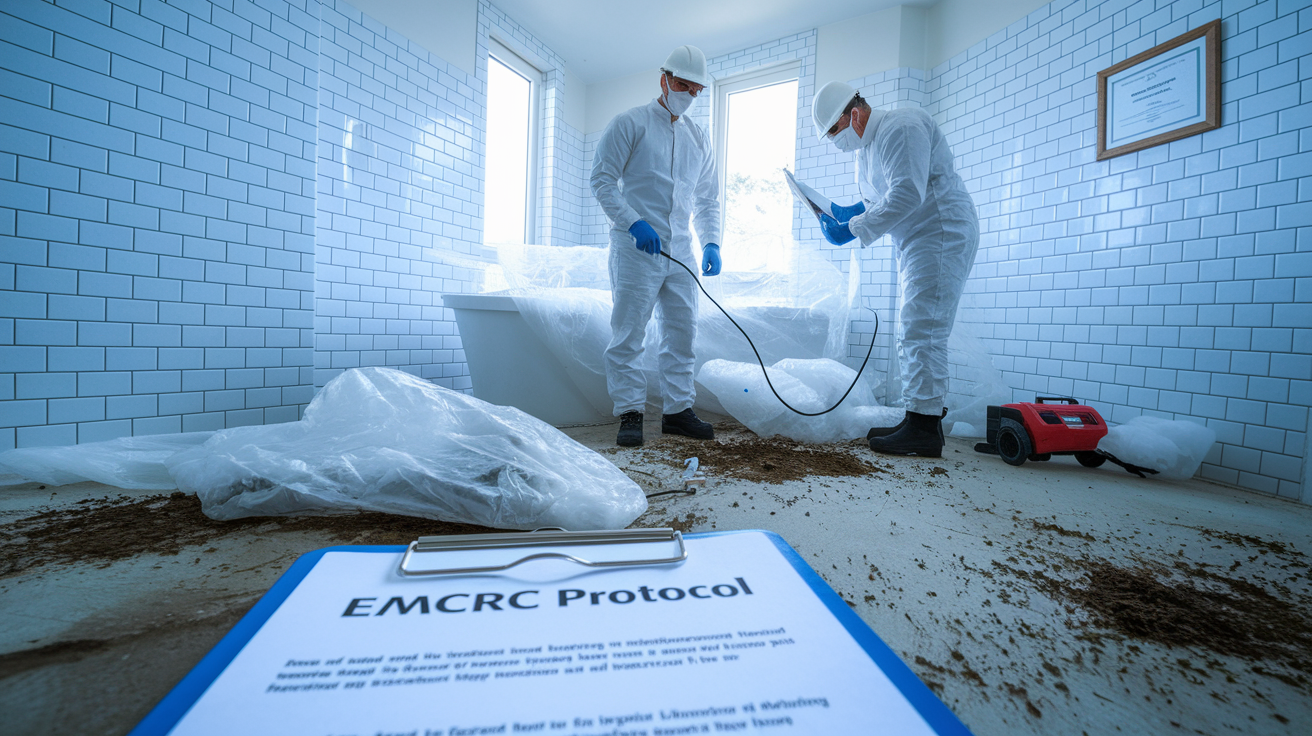
Specialized mold remediation companies become necessary when you’re dealing with toxic mold species, particularly black mold which costs $1,000 to $6,000 or more to remediate safely. Areas larger than 10 square feet need professional handling according to EPA guidelines, as do situations where mold affects HVAC systems and can spread spores throughout the entire house. If anyone in your household has mold sensitivities, respiratory conditions like asthma, or compromised immune systems, professional remediation isn’t just recommended. It’s essential for health and safety.
The $10 to $30 per square foot professional rate covers services that go way beyond simple cleaning. This pricing includes containment setup using plastic sheeting and negative air pressure to isolate the work area, protective equipment and clothing for workers, HEPA filtration systems that capture 99.97% of airborne particles, antimicrobial treatment using solutions not available to consumers, surface restoration to return treated areas to pre-contamination condition, proper documentation including photos and reports for insurance claims, and strict adherence to EPA and IICRC protocols that ensure complete remediation. You’re not just paying for labor. You’re paying for specialized knowledge, equipment, and legal compliance that protects your home’s value and your family’s health.
Project supervision markup adds 13 to 22% to total costs if general contractor coordination is needed to manage multiple trades during bathroom reconstruction. Most bathroom mold remediation projects take 1 to 5 days from start to completion, with standard jobs averaging 3 days. This timeline includes initial containment setup, active removal and treatment work, drying time for treated surfaces, and final cleaning before occupants can safely use the space again. Complex projects involving extensive structural repairs may stretch to 1 to 2 weeks when reconstruction work gets factored in.
Certification matters a lot when choosing a remediation company. IICRC certified specialists have completed formal training in mold remediation protocols and maintain current knowledge of industry best practices. These certified companies own equipment that general contractors typically don’t have. HEPA air scrubbers that clean the air during active work, negative air machines that prevent spore migration, and moisture meters that detect hidden water problems feeding mold growth. Specialists cost 20 to 30% more than general contractors attempting mold work, but they reduce liability risks, provide proper hazardous material disposal following local regulations, and deliver documentation that insurance companies and future home buyers expect. Companies offering comprehensive property restoration services, including Fire and Smoke Damage Restoration, typically have the full range of equipment and cross trained staff to handle mold situations that occur alongside other damage types.
Additional Bathroom Repair Costs After Mold Removal

Mold remediation often reveals structural damage that needs additional repairs once contaminated materials are removed, with reconstruction work adding $500 to $5,000 or more to total project costs. Water damage that created ideal conditions for mold growth frequently compromises drywall, framing, flooring, and other materials that must be replaced rather than simply cleaned and treated. These repair costs are separate from remediation services and represent a big chunk of total project expenses for bathrooms with long standing moisture problems.
Common Bathroom Reconstruction Expenses
| Repair Type | Cost Range |
|---|---|
| Drywall removal and replacement | $200-$1,500 |
| Tile removal and replacement | $500-$2,000 |
| Grout removal and resealing | $150-$500 |
| Caulking replacement | $100-$300 |
| Bathroom repainting | $200-$600 |
| Plumbing leak repair | $150-$1,200 |
These reconstruction expenses get billed separately from mold remediation work and vary based on the extent of damage discovered during removal. Addressing the moisture source is critical before any reconstruction begins. There’s no point installing fresh drywall if a leaking pipe behind the wall will just create the same mold problem in a few months. Leak repairs cost $150 to $2,500 or more depending on whether you’re dealing with a simple fixture seal that takes 30 minutes to fix or a corroded pipe section requiring wall demolition and replacement. Projects often involve multiple specialists. Mold remediators to eliminate contamination, plumbers to fix water intrusion, and general contractors to rebuild damaged surfaces. Similar approaches apply to properties experiencing Water Damage and Flooding Cleanup, where addressing the source and repairing damage require coordinated specialist services.
Some remediation companies bundle mold removal and bathroom reconstruction services, potentially saving homeowners 10 to 15% versus hiring separate companies for each phase. Bundled pricing also streamlines the project timeline and eliminates coordination headaches between multiple contractors who might otherwise point fingers when problems arise.
Insurance Coverage for Bathroom Mold Removal Costs

Homeowners insurance typically covers mold remediation only when it’s caused by sudden, covered events like burst pipes, appliance malfunctions, or storm damage. Not from long-term neglect, maintenance issues, or gradual deterioration. The distinction matters because most bathroom mold develops over time from ongoing moisture problems rather than dramatic water events, placing many situations outside standard policy coverage.
Coverage scenarios break down like this:
Sudden water damage scenarios usually covered: Burst pipe flooding the bathroom, toilet supply line failure, washing machine overflow affecting adjacent bathroom, water heater rupture.
Gradual damage scenarios typically excluded: Slow shower pan leaks, deteriorated caulking allowing moisture penetration, inadequate ventilation causing condensation, deferred maintenance of bathroom fixtures.
Documentation requirements for claims: Photos of affected areas before remediation begins, professional inspection reports detailing extent and cause, testing results identifying mold species, contractor estimates itemizing remediation and repair costs.
Typical deductible ranges: $500 to $2,500 depending on policy terms, meaning small mold jobs under $1,000 may not exceed your deductible anyway.
Review your policy’s mold coverage limits carefully. Many homeowners discover too late that their insurance caps mold remediation at $5,000 to $10,000, far below the cost of extensive whole home contamination. Some policies completely exclude mold coverage or treat it as a separate endorsement requiring additional premium payments. The specific language in your policy determines coverage, not general assumptions about what “should” be covered.
Contact your insurance agent before starting any work to understand coverage details and claim filing requirements. Proceeding with remediation before notifying your insurer can void coverage even when the damage would otherwise qualify. Professional inspection and testing costing $300 to $700 provides the documentation necessary for successful claims, establishing both the extent of contamination and the cause, critical details that insurance adjusters need when evaluating coverage decisions.
Timeline Expectations for Bathroom Mold Removal Projects
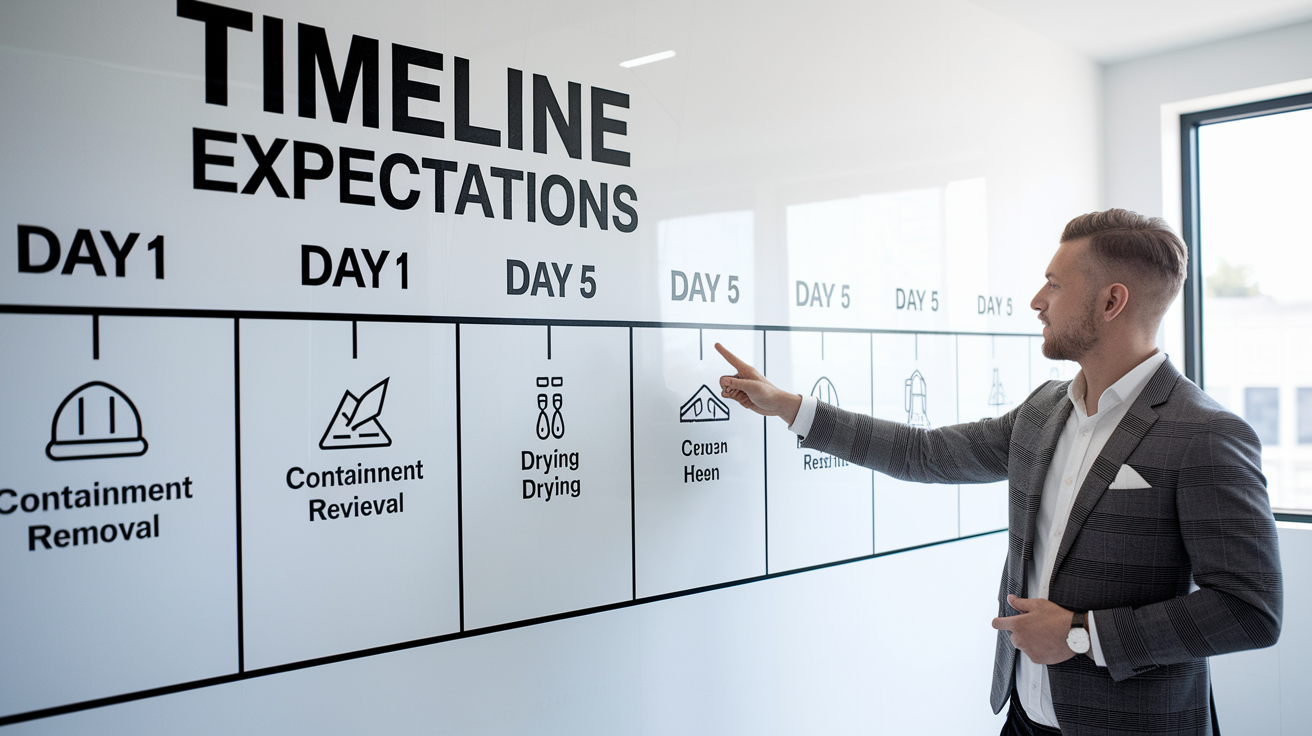
Typical bathroom mold remediation takes 1 to 5 days from initial containment to final clearance, with most projects averaging 3 days including necessary drying time between treatment phases. This timeline applies to standard bathroom mold situations affecting walls, ceilings, floors, and fixtures without extensive hidden contamination or major structural repairs. Projects requiring drywall removal, framing replacement, or comprehensive reconstruction extend significantly beyond basic remediation timeframes.
The remediation process unfolds in phases that determine overall project length. Day 1 focuses on inspection, containment setup, and preparation. Contractors seal off the bathroom with plastic sheeting, set up negative air machines to prevent spore migration, and remove any contents or fixtures blocking access to contaminated surfaces. Day 2 involves active removal work and antimicrobial treatment, when workers physically remove mold growth, apply professional grade fungicides, and treat all affected surfaces with solutions that kill remaining spores and prevent regrowth. Day 3 covers final cleaning, drying verification, and post remediation assessment to confirm successful treatment before removing containment barriers and returning the space to normal use.
Emergency services are available through most professional remediation companies for situations requiring immediate attention. Active water intrusion, household members experiencing severe allergic reactions, or rapid mold spread threatening to contaminate additional rooms. Emergency or after hours response typically costs 25 to 50% more than standard scheduling due to overtime labor rates and the need to mobilize crews outside normal business hours. Projects requiring extensive structural repairs stretch to 1 to 2 weeks or longer when reconstruction work is included, since drywall must dry completely before finishing work like painting and tile installation can proceed.
Ventilation and Humidity Control to Prevent Future Bathroom Mold Costs
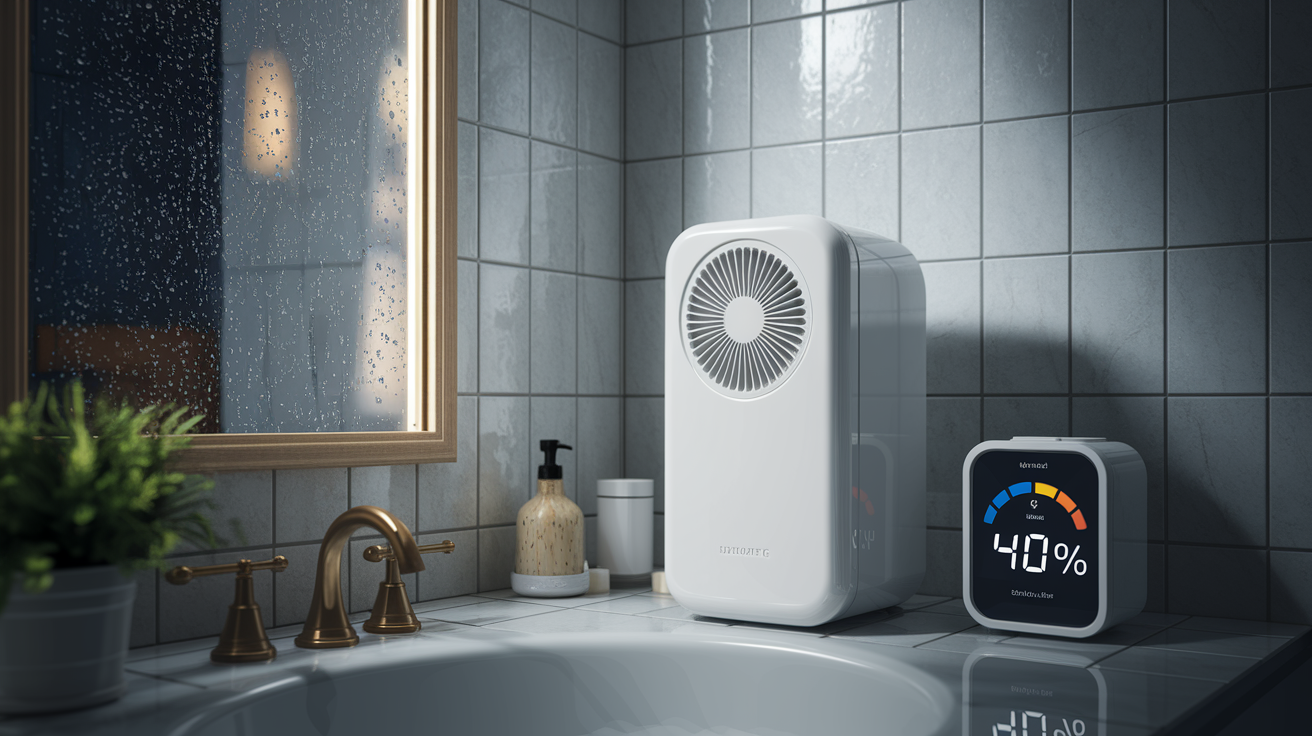
Prevention costs a fraction of what you’ll spend on repeated remediation, and proper ventilation stands as your primary defense against bathroom mold recurrence. Bathrooms generate huge amounts of moisture during normal use. A single 10 minute shower releases approximately one pint of water into the air, creating ideal conditions for mold growth on any surface where that moisture condenses and stays. Controlling this moisture before it feeds mold colonies prevents the $500 to $2,000 removal costs that follow when ventilation fails.
Seven prevention methods with costs:
- Exhaust fan installation or upgrade, $150 to $500, to actively remove moisture during and after bathroom use
- Dehumidifier for humid climates, $50 to $300, to maintain ideal moisture levels year round
- Regular caulk inspection and replacement, $50 to $150 annually, to seal moisture entry points around tubs and showers
- Immediate leak repairs addressing problems the moment they’re discovered, before water damage creates mold friendly conditions
- Running exhaust fans during showers and for 30 minutes afterward to fully clear moisture from the air
- Maintaining indoor humidity below 60%, ideally 30 to 50%, using ventilation, dehumidifiers, or air conditioning
- Regular bathroom cleaning with mold preventive products to remove soap residue and other organic materials mold feeds on
Bathroom exhaust fans must vent to the exterior of your home, not into attic spaces where trapped moisture creates different mold problems in hidden areas. Many older homes have improperly vented fans dumping humid air directly into attics, defeating the purpose of the ventilation system entirely. Properly installed and sized fans should run for 20 to 30 minutes after bathing ends, giving the system time to remove moisture that lingers in the air and on surfaces after you leave the bathroom. Timer switches or humidity sensing automatic controls help ensure adequate run times without requiring you to remember to turn fans off manually.
Prevention measures costing a few hundred dollars (a quality exhaust fan, a small dehumidifier, fresh caulking) can avoid thousands in future remediation expenses. Catching mold early, when it’s still a small surface problem rather than extensive contamination requiring professional intervention, reduces costs significantly by limiting the affected area before it spreads to larger surfaces or penetrates porous materials.
Comparing Contractor Quotes for Bathroom Mold Removal

You should get at least 3 to 5 quotes from certified mold remediation companies to compare pricing, services included, work scope, and project timelines before selecting a contractor. This comparison process protects against overpaying while also identifying unusually low bids that often indicate corners being cut on safety protocols, proper containment, or complete remediation. The lowest price rarely represents the best value when dealing with health affecting contamination in your home.
Verify these details in every quote you receive:
IICRC or equivalent certification proving formal training in mold remediation protocols and current industry best practices.
Itemized cost breakdown separating labor charges, materials and supplies, equipment rental, disposal fees, and any additional services.
Scope of work details specifying which surfaces will be treated, containment methods to be used, antimicrobial products applied, and clearance testing procedures.
Timeline and completion date with start date, estimated work duration, and factors that might extend the schedule.
Warranty or guarantee period covering both the remediation work and any repairs, typically 1 to 5 years depending on the company.
Insurance and licensing verification including general liability coverage, workers compensation, and required local business licenses.
Red flags should prompt immediate concern. Significantly low bids running 30 to 40% under other estimates may indicate inadequate containment, skipped steps in EPA protocols, or unlicensed workers without proper training. Vague scope descriptions that don’t specify exactly which areas will be treated or what methods will be used make it impossible to compare quotes accurately or hold contractors accountable for complete work. Contractors unwilling to provide references from recent similar projects or who pressure you to sign contracts immediately without time to review other options often deliver substandard results.
The lowest quote isn’t always the best choice when your family’s health and your home’s structural integrity are at stake. Weigh contractor experience in bathroom mold situations specifically, certifications that prove current training, online reviews and references from past customers, comprehensive service offerings that include both remediation and repairs, and your comfort level with the company’s communication and professionalism. Choosing qualified restoration contractors becomes especially important when mold occurs alongside other property damage, as with companies handling Storm Related Damage Repairs where water intrusion often creates ideal mold conditions requiring prompt, comprehensive response.
Regional Cost Differences for Bathroom Mold Removal Services
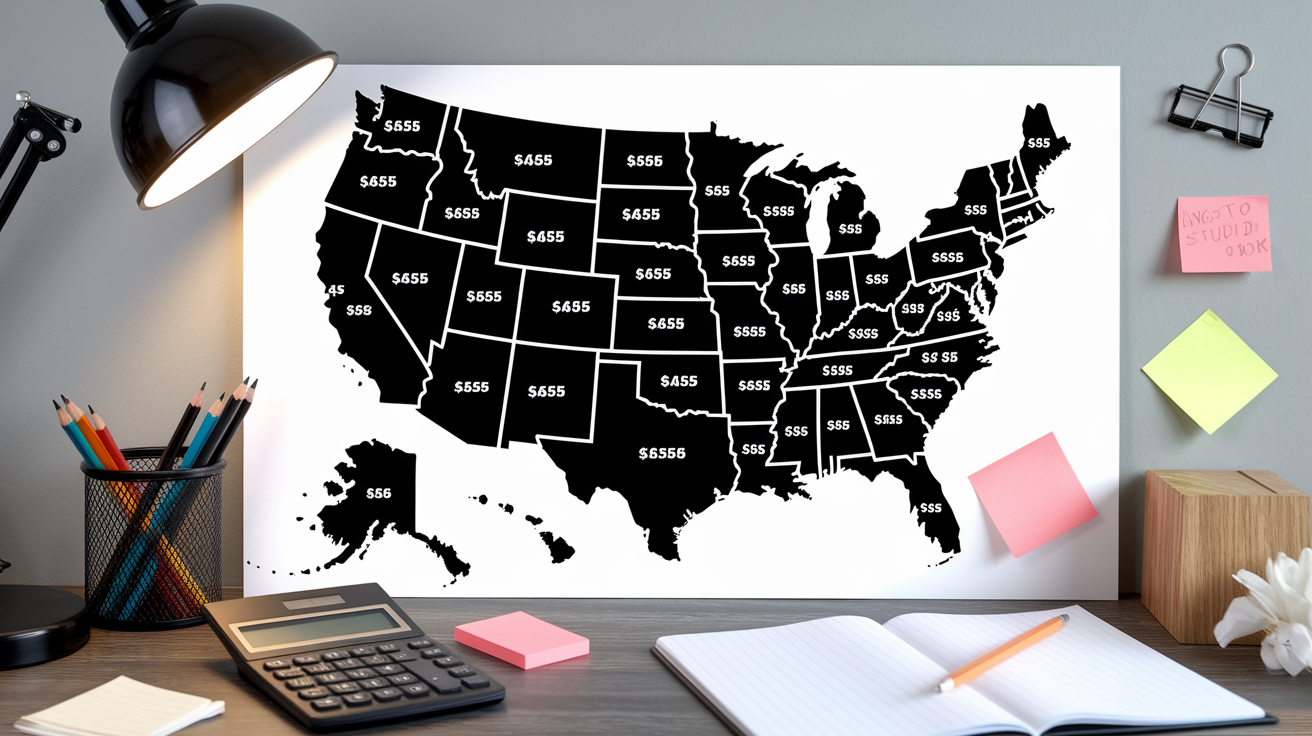
Costs for bathroom mold removal vary by 20 to 40% across different U.S. regions, with major metro areas and coastal regions typically running 25 to 35% higher than national averages due to elevated labor costs, higher cost of living, and increased demand for services. The national average of $2,347 for mold remediation and $500 to $2,000 for bathroom specific work should be adjusted based on your local market conditions rather than treated as fixed pricing that applies everywhere.
Rural areas present unique pricing challenges despite lower general cost of living. These regions may have fewer certified mold remediation specialists, potentially increasing costs due to limited competition and travel fees of $50 to $150 when contractors must drive significant distances to reach your property. The scarcity of qualified providers in rural markets sometimes results in prices matching or exceeding urban rates, even though other services cost substantially less in these areas.
Regional climate patterns significantly influence both mold prevalence and pricing structures. Humid coastal and southern regions experience higher mold incidence, creating larger pools of specialized remediation companies and more competitive pricing due to steady demand for services. These markets often see bathroom mold removal costs 10 to 15% below national averages because companies maintain full schedules and spread overhead across numerous jobs. Dry climate regions like the Southwest and mountain states have fewer mold specialists since environmental conditions don’t support extensive mold growth. The limited competition allows these companies to charge premium rates 15 to 25% above national averages when mold situations do occur. Your local market dynamics matter as much as the specific scope of work when determining what you’ll actually pay for bathroom mold remediation in your area.
Final Words
Bathroom mold removal cost depends on the size of the affected area, type of mold, and extent of damage.
Small surface mold jobs can cost $500 to $800, while larger projects with black mold or structural repairs reach $1,500 to $3,500 or more.
Getting quotes from certified professionals helps you understand the full scope and price.
Prevention through proper ventilation and quick leak repairs saves thousands compared to repeated remediation. Most bathroom mold projects take 1 to 5 days, and catching the problem early keeps costs down while protecting your home and health.
FAQ
How much does it cost to remove black mold from a bathroom?
Black mold removal from a bathroom typically costs $1,000 to $6,000 or more due to specialized containment requirements, full protective gear, HEPA air filtration systems, and strict disposal protocols. The higher price reflects the health risks and EPA-compliant procedures needed for toxic mold species like Stachybotrys. Small black mold patches under 10 square feet may fall at the lower end, while extensive contamination requiring structural demolition reaches the upper range.
What kills 100% of black mold?
Professional mold remediation using EPA-registered antimicrobial treatments combined with physical removal kills black mold completely. Professionals use HEPA filtration during removal, apply hospital-grade antimicrobials, seal treated surfaces with mold-resistant coatings, and address the moisture source to prevent regrowth. DIY methods like bleach only clean surface mold temporarily without addressing roots in porous materials like drywall or grout.
Why is mold removal so expensive?
Mold removal costs $500 to $6,000 or more because it requires specialized containment to prevent spore spread, certified technicians with IICRC training, HEPA air scrubbers and negative air machines, antimicrobial treatments, proper disposal procedures, and addressing underlying water damage. The price reflects labor-intensive removal, protective equipment, structural repairs like drywall replacement, and strict EPA protocol compliance that general contractors can’t provide.
Is professional mold removal worth it?
Professional mold removal is worth the cost for areas larger than 10 square feet, toxic mold species, hidden mold behind walls, or households with respiratory sensitivities. Certified specialists prevent spore spread throughout your home, address moisture sources to stop recurrence, provide proper documentation for insurance claims, and complete work in 1-5 days with warranties. Improper DIY removal can turn a $500 problem into a $2,000-plus remediation emergency.
