
You just burnt dinner, and now your kitchen smells like a campfire. Every breath reminds you of charred food, and you’re wondering if this smell will ever leave. The good news? If you act fast, within about 30 minutes, you can stop smoke particles from bonding to your cabinets, walls, and curtains. Wait too long, and what could’ve been a quick fix turns into deep cleaning mode. This guide walks you through immediate steps to clear the air, plus the deeper cleaning tactics that actually remove smoke residue instead of just covering it up.
Quick Odor Neutralization and Ventilation Strategies
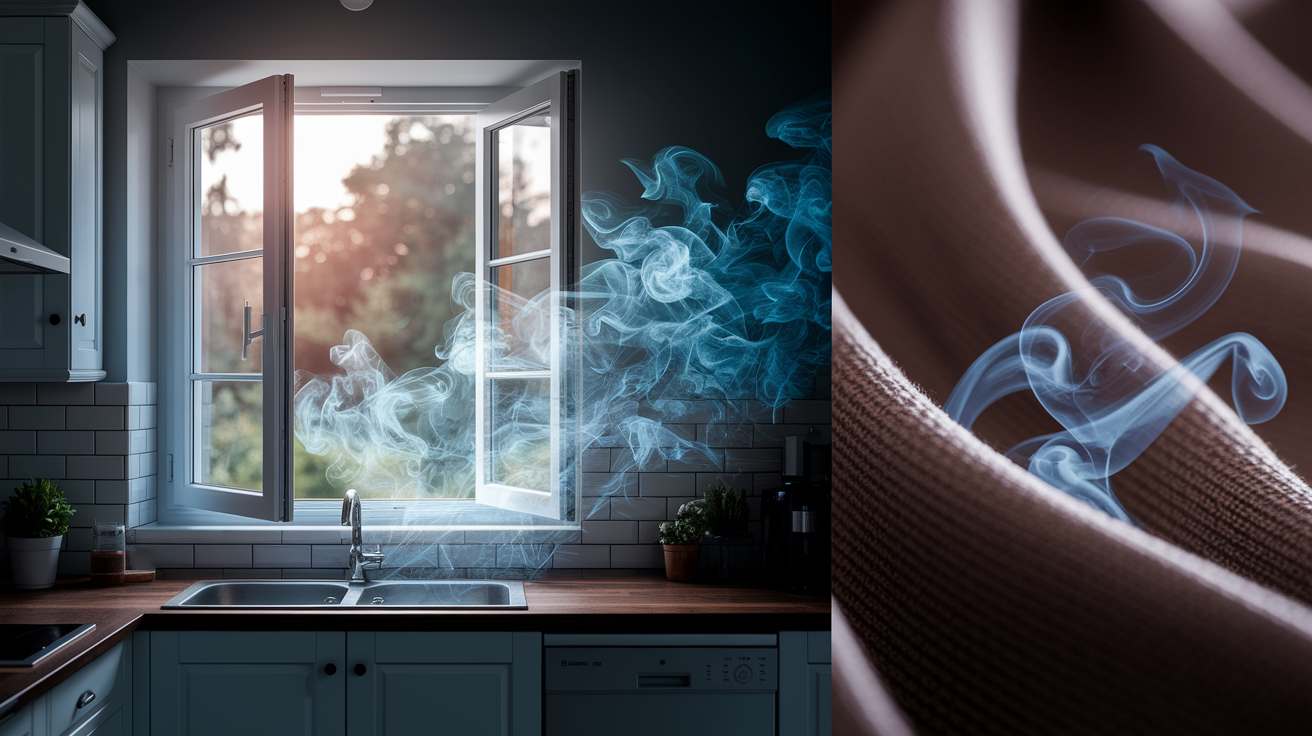
Smoke particles don’t just float around. They land and stick within minutes. Once they settle into kitchen cabinets, curtains, or grout lines, you’re looking at deeper cleaning instead of a quick fix. Acting fast, ideally within the first 30 minutes, stops smoke smell from setting into porous materials. It makes the difference between a brief inconvenience and a lingering problem.
Speed reduces the amount of deep cleaning you’ll face later. The longer smoke particles sit, the more they bond with surfaces through grease and moisture. You’ll also want to consider the weather. If it’s extremely cold or brutally hot outside, you may need to limit how long you keep windows open. But even brief ventilation helps more than none.
Baking soda and white vinegar bowls start working immediately. They absorb and neutralize odor molecules in the air. While you’re handling ventilation to clear airborne particles, these household items tackle what’s already beginning to settle.
-
Open all windows in the kitchen and adjacent rooms to create maximum airflow and push smoke outside rather than letting it circulate indoors.
-
Create cross ventilation by opening doors on opposite sides of your home. This establishes a steady air current that pulls smoky air out while bringing fresh air in.
-
Remove the burnt food source immediately by disposing of it in an outdoor trash can so it stops releasing smoke particles into the air.
-
Turn on the exhaust fan above your stove and let it run for at least 15 to 20 minutes to actively pull remaining smoke toward the vent.
-
Place open bowls of baking soda on countertops and in the pantry to start absorbing odors. The alkaline, porous structure binds with acidic compounds in smoke molecules.
-
Position bowls of white vinegar near the areas with the heaviest smoke so they can begin capturing odor particles that are starting to settle on surfaces.
-
Check fabric items like dish towels and curtains for smoke contact and remove them for washing if they’ve been exposed, since textiles absorb odor quickly.
Timing matters here. The first 30 minutes are when smoke particles are most active and haven’t fully bonded to surfaces yet. If you catch it early, you’re mostly dealing with airborne smell. Wait a few hours, and you’re cleaning walls, cabinets, and possibly upholstery.
Deep Cleaning Kitchen Surfaces to Remove Smoke Residue

Smoke particles cling to surfaces through a combination of grease and moisture. Even if the air smells better after ventilation, residue left on walls, cabinets, and countertops will keep releasing odor until you physically remove it. That oily film you might see after a grease fire isn’t just unsightly. It’s holding onto the smell.
Cleaning Walls and Ceilings
Mix equal parts white vinegar and water in a spray bottle for light to moderate smoke residue. For heavier buildup, use a kitchen degreaser following the product instructions. Work from the top down so dirty solution doesn’t drip onto already cleaned areas.
Spray a section of wall, let it sit for 30 to 60 seconds, then wipe with a microfiber cloth or sponge. The vinegar breaks down the acidic compounds in smoke while cutting through any grease. After wiping each section, go over it again with a cloth dampened in clean water. This rinse step matters. Leftover cleaning solution can leave its own smell or cause streaking.
Ceilings collect smoke too, especially directly above the stove. Use the same vinegar solution or degreaser, but work in small sections and watch for drips. A long handled sponge mop makes this easier without needing a ladder.
Cabinets, Countertops, Stovetop, and Backsplash
Start with a simple dish soap and warm water solution for light smoke on cabinets and countertops. If you’re dealing with grease heavy smoke, switch to a degreaser. Pay attention to cabinet interiors, especially around the stove. Smoke travels into cracks and gets trapped.
Wipe down all countertop surfaces, even areas that seem unaffected. Smoke spreads farther than you think. Clean your stovetop thoroughly, including burner grates and drip pans, since these often have the heaviest residue.
The backsplash and tile grout are easy to overlook. But grout is porous and holds onto smoke smell. Scrub grout lines with a small brush and your cleaning solution, then rinse and dry. Glass or tile backsplashes wipe clean more easily, but don’t skip them. Residue there reflects light and makes the kitchen look dingy.
Always rinse cleaned surfaces with fresh water to remove cleaning solution residue. Cleaning products left behind can create their own smells or attract dust. Dry thoroughly with a microfiber cloth to prevent water spots and streaking. If you’re dealing with stubborn smoke residue, you may need to go over the same areas two or three times before the oily film is completely gone.
Natural Deodorizers and DIY Cleaning Solutions

Natural deodorizers work in two ways: absorption and neutralization. Absorption pulls odor molecules out of the air and traps them. Neutralization changes the chemical structure of those molecules so they no longer smell. Both are effective. And both cost almost nothing compared to commercial products. You’re using items already sitting in your pantry.
- Baking soda in open bowls placed around the kitchen, especially in pantries and near the stove. Leave overnight or for 24 hours to absorb maximum odor, then replace with fresh baking soda if smell persists.
- White vinegar bowls positioned on countertops and tables to capture smoke particles over several days. The acetic acid neutralizes alkaline odor compounds.
- Activated charcoal briquettes (not the lighter fluid soaked kind) arranged on plates in affected areas. Leave out for three to five days to pull odors from the air.
- Coffee grounds in shallow containers spread around the kitchen to displace smoke smell with coffee aroma while absorbing some odor molecules.
- Lemon juice steam method: boil 2 cups water with juice of 3 lemons for 10 minutes, let the steam circulate, then simmer on low for another 10 minutes to freshen the air naturally.
- Deodorizing boil: combine 4 cups water with 3 tablespoons baking soda, bring to a boil, then simmer for 15 to 20 minutes to help dissipate trapped smoke particles throughout the room.
| Recipe Name | Ingredients & Ratio | Best Use | Application Method |
|---|---|---|---|
| All Purpose Smoke Cleaner | 1 cup white vinegar + 1 cup water + 1 tbsp dish soap | Countertops, cabinets, appliance exteriors | Spray on surface, wipe with cloth, rinse with clean water |
| Degreasing Spray | 2 cups hot water + 2 tbsp baking soda + 1 tbsp ammonia | Stovetops, range hoods, heavy grease residue | Spray on affected area, let sit 2 to 3 minutes, scrub and rinse |
| Surface Neutralizer | 1 cup water + 1 cup vinegar + 10 drops essential oil | Walls, floors, general kitchen surfaces | Wipe down surfaces, leave to air dry or dry with cloth |
| Absorption Bowls | Straight white vinegar (undiluted) | Passive air deodorization | Pour into bowls, place around kitchen, replace every 2 to 3 days |
Overnight absorption allows these methods to work when you’re not actively cleaning. Leave bowls of baking soda or vinegar out before bed, and you’ll notice improvement by morning. The longer they sit, the more odor molecules they capture and neutralize.
Never combine ammonia based and vinegar based solutions in the same container or cleaning session. This creates toxic fumes that are dangerous to breathe. If you use the degreasing spray with ammonia, make sure you’re working in a well ventilated area with windows open. Always test your DIY solutions on a small, inconspicuous area first, especially on painted walls or finished wood, to make sure they won’t damage the surface or cause discoloration.
Ventilation Systems and Air Circulation for Smoke Removal

Ventilation isn’t just about opening a window. It’s about replacing contaminated air with clean air. Smoke particles need somewhere to go. Stale smoky air won’t clear on its own. You have to actively push it out. That means combining exhaust with fresh air intake and creating steady airflow patterns that move smoke toward exits instead of just circulating it around the room.
Your range hood and exhaust fan are built for this. Turn them on during cooking and keep them running for 15 to 20 minutes after you’ve finished. This keeps pulling smoke particles toward the vent even after visible smoke clears. The effectiveness drops significantly if the grease filters are clogged, so clean those monthly by soaking them in hot, soapy water or running them through the dishwasher. Check the ductwork once a year, especially if you cook frequently. Buildup inside the ducts reduces suction and can trap old smoke odors.
Portable air purifiers with dual filter technology handle smoke effectively when used correctly. Look for units with both HEPA and activated charcoal filters. The HEPA filter captures the physical smoke particles, while the charcoal absorbs odor molecules. Place the purifier within 6 feet of where the smoke originated, and run it continuously for 24 to 48 hours after a smoke event. Don’t just turn it on for an hour and expect full clearance. Persistent operation pulls more contaminated air through the filters and gradually reduces particle concentration. These units require less maintenance than traditional range hoods, which need deep cleaning to remove built up grease from internal components.
When moisture control and air circulation work together, particularly if kitchen smoke combines with steam or humidity issues, you’re also managing conditions that can lead to mold growth. For more on handling moisture problems alongside air quality, see Water Damage and Flooding Cleanup.
Use circulation fans to push smoke toward exhaust points if you don’t have a strong range hood. Position a box fan in a window facing outward to create negative pressure that pulls smoke out of the room. Put another fan near the kitchen entrance pointing into the kitchen from a cleaner room. This creates a directional flow that herds smoke particles toward the exhaust instead of letting them drift into other parts of your home.
Cleaning Kitchen Appliances to Eliminate Trapped Smoke Odor

Appliances absorb smoke more readily than most surfaces because they generate heat. Warm materials pull in and hold onto odor molecules, and that smell keeps releasing until you clean the appliance inside and out. You might clear the air and wipe down walls, but if your oven still smells like burnt casserole, your kitchen won’t feel clean.
- Oven: Make a paste from ½ cup baking soda mixed with a few tablespoons of water until it’s spreadable but thick. Coat the interior, avoiding heating elements, let it sit overnight, then scrub and wipe clean with damp cloths. If your oven has a self clean cycle and the smoke incident was minor, you can run that instead. But ventilate well since it will burn off residue and create temporary smoke.
- Stovetop: Apply kitchen degreaser directly to burners, grates, and drip pans where smoke residue concentrates. Let it sit per product instructions, scrub with a brush or abrasive sponge, rinse thoroughly, and dry. Electric coil burners can be removed and soaked in hot soapy water.
- Microwave: Fill a microwave safe bowl with 1 cup water and 2 tablespoons white vinegar, heat on high for three to five minutes until steam builds, let it sit with the door closed for another 2 minutes, then wipe down interior walls, ceiling, and turntable with a clean cloth. The steam loosens residue and the vinegar neutralizes odor.
- Refrigerator exterior: Wipe down door seals, handles, and the exterior surface since hands transfer smoke residue from other surfaces. The seals can trap odor particles in their grooves. Use your all purpose smoke cleaner or dish soap solution.
The dishwasher and garbage disposal can trap smoke odor even though they’re not directly exposed to cooking. The dishwasher filter and door seals hold onto particles, and the disposal retains food debris that mixes with smoke smell. Run an empty dishwasher cycle with 2 cups of white vinegar placed in a dishwasher safe container on the top rack. Skip the detergent for this cleaning cycle. The vinegar circulates through the spray arms and cleans residue from internal surfaces while neutralizing odors.
Clean your garbage disposal by dropping in a handful of ice cubes and a few lemon peels, then running cold water and turning on the disposal for 30 seconds. The ice scrubs the grinding mechanism, and the lemon provides fresh scent. If smoke combined with cooking odors in the disposal, this tackles both at once. Follow up by pouring ½ cup baking soda down the drain, letting it sit for 10 minutes, then flushing with hot water.
Treating Fabric Items and Porous Materials in the Kitchen
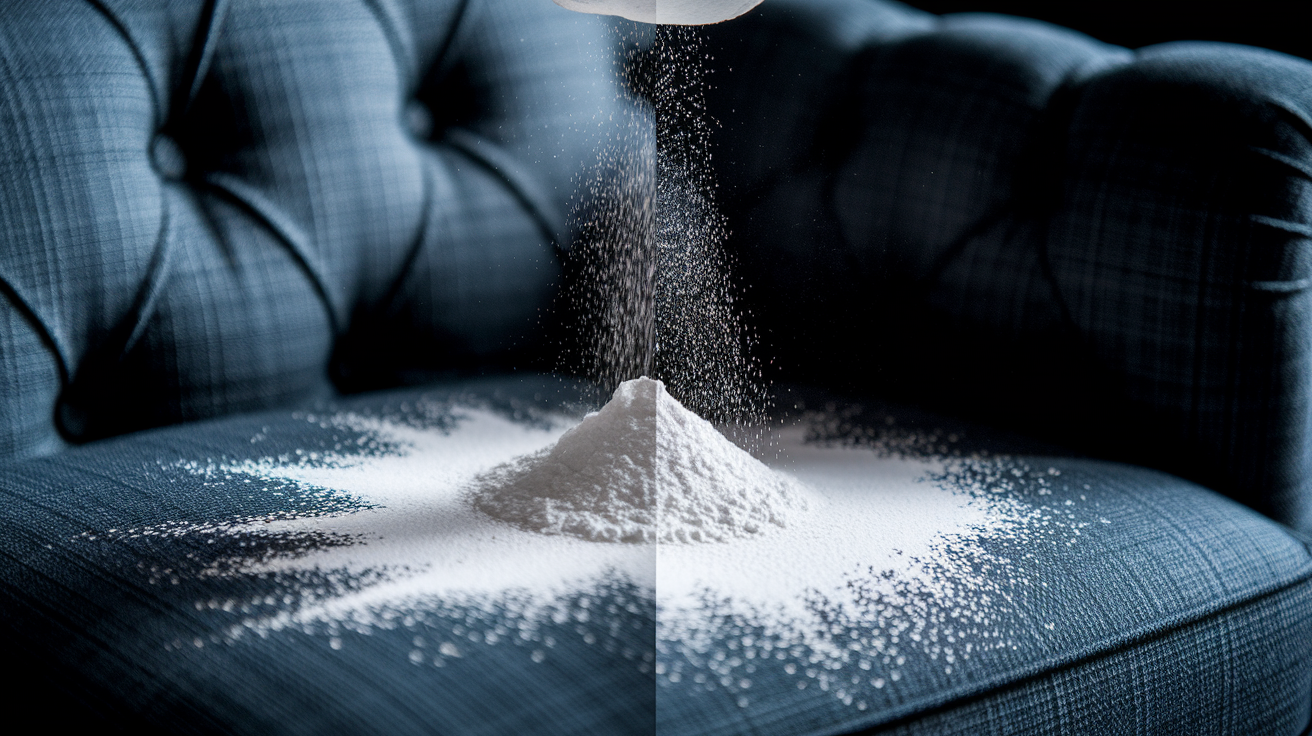
Fabric and porous materials act like sponges for smoke odor. While hard surfaces hold residue on top where you can wipe it away, textiles and porous items absorb smoke particles deep into their fibers. That’s why your dish towels or kitchen curtains might smell strongly even after the air clears. They’re holding onto what they absorbed during the smoke event.
Remove and launder kitchen curtains, dish towels, oven mitts, and any removable chair covers within 24 hours if possible. Wash in hot water, as hot as the fabric care label allows, and add 1 cup of white vinegar to the rinse cycle instead of fabric softener. The vinegar breaks down odor molecules trapped in the fibers. Don’t use dryer sheets on these items until the smell is completely gone, since added fragrance can mix with remaining smoke odor and make things worse.
Non washable upholstery and rugs require a different approach. Sprinkle baking soda generously across the entire surface. Don’t be shy, you want a visible layer covering the fabric. The baking soda draws smoke particles out of carpet and upholstery fibers through chemical attraction, binding with acidic compounds in the odor. Let it sit for three to four hours, or overnight if the smell is strong. Vacuum thoroughly using the upholstery attachment to pull out the baking soda along with the trapped odor particles. Check the smell afterward. If it’s still noticeable, repeat the process. Sometimes you need two or three treatments for persistent odors.
Professional steam cleaning becomes necessary for heavy smoke saturation, especially in wall to wall carpeting or large upholstered furniture pieces you can’t easily treat yourself. Steam cleaning reaches deeper into fibers than surface treatments. Professionals use commercial grade extractors that pull out more moisture and embedded particles than home equipment. If you’ve treated fabric items multiple times without improvement, or if the smoke came from an actual fire rather than just cooking smoke, that’s when to call in a pro.
Advanced Smoke Odor Elimination Methods for Stubborn Smells
When natural remedies and standard cleaning haven’t cleared the smell after three to four days of consistent effort, you’re dealing with smoke that has penetrated deeper than surface level treatment can reach. Heavy grease smoke or fire related smoke bonds more aggressively to materials, and you’ll need stronger methods to break down those molecules. This is especially true if the smoke was thick enough to leave visible residue or if the smell returns shortly after you think you’ve eliminated it.
Ozone Generator Treatment
Ozone generators work differently than deodorizers or air purifiers. Instead of masking smell or filtering particles, they produce ozone (O3) molecules that chemically react with and break down odor molecules. This eliminates the smell at a molecular level rather than just covering it up or capturing it in a filter.
You can rent ozone generators from most hardware stores for $50 to $100 per day. Set up the unit in your kitchen, seal off the area as much as possible, set the timer for two to four hours depending on severity, and leave. Do not stay in the room during treatment. Ozone is effective at breaking down odors, but it’s also irritating to breathe and can cause respiratory discomfort if you’re exposed during operation.
After the treatment cycle finishes, wait at least 30 minutes before entering, then open all windows and doors to ventilate thoroughly for another one to two hours before you occupy the space normally. The ozone needs time to dissipate and convert back to regular oxygen. Follow the manufacturer’s recommended run times exactly. More isn’t always better, and overuse can damage rubber seals or plastic components in your kitchen.
Enzymatic and Commercial Odor Eliminators
Enzyme based cleaners contain proteins that break down organic compounds, including the carbon based molecules in smoke. These products work slower than chemical cleaners but target the source of the smell rather than just the symptoms. Look for products specifically labeled for “smoke odor” rather than general odor eliminators. The enzyme formulas are different.
Spray enzymatic cleaner on surfaces that still smell after you’ve already cleaned them, and spray it into the air in affected areas. You’re not just wiping surfaces here. You’re treating both settled residue and airborne particles. Let the product sit and work according to package directions, usually 10 to 15 minutes, before wiping if the instructions call for it. Many enzyme products work best when left to air dry.
Expect to reapply every 24 hours for two to three days. Enzymes need time to break down the molecular structure of smoke compounds, so one application rarely handles heavy odor. As the enzymes work, you should notice gradual improvement each day rather than instant results.
If you’ve tried ozone treatment and enzymatic cleaners without success, or if the smoke came from an actual fire that left soot and char, professional restoration services have access to hydroxyl generators, thermal fogging equipment, and industrial strength deodorization methods that aren’t available for home use. For situations involving structural smoke damage or persistent odor from fire events, see Fire and Smoke Damage Restoration for when DIY methods fail and professional intervention becomes necessary.
Preventing Kitchen Smoke Odor and Maintaining Fresh Air

Preventing smoke smell is easier than removing it. A little attention during and after cooking keeps smoke from building up to the point where it needs heavy treatment. You’re not aiming for perfection here. Just consistent habits that stop odor from settling in.
- Turn on the exhaust fan before you start heating the pan, not after smoke appears. This captures particles as they form instead of letting them disperse into the room first.
- Monitor cooking temperatures and adjust heat before food burns, especially when searing, frying, or cooking with oil. Most kitchen smoke comes from overheating, not the cooking itself.
- Wipe down surfaces within 30 minutes after cooking anything that produces heavy smoke or grease splatter while the residue is still warm and easier to remove.
- Maintain your air purifier filters on the manufacturer’s schedule, usually every three to six months depending on use. Clogged filters reduce effectiveness significantly.
- Address grease buildup on range hood filters monthly by soaking them in hot soapy water for 15 minutes, scrubbing gently, and letting them dry completely before reinstalling.
- Clean your stovetop while it’s still slightly warm after cooking. Hardened, cooled grease requires scraping and stronger cleaners, but warm residue wipes away easily with dish soap and a cloth.
Establishing a quick post cooking routine makes a difference. Run your exhaust fan for 10 to 15 minutes after you finish cooking, even if you don’t see visible smoke. Airborne particles you can’t see still settle onto surfaces and create cumulative buildup. Open a window for just 5 minutes after cooking something smoky. Brief ventilation interrupts the settling process and reduces how much residue lands on your walls and cabinets.
Winter makes ventilation trickier since opening windows lets in cold air and can make your heating system work harder. In extreme cold, ventilate in shorter bursts. Open windows wide for three to five minutes rather than cracking them for 30 minutes. The rapid air exchange clears smoke faster and limits heat loss. Summer humidity has the opposite problem: moisture in the air can make smoke odors hang around longer and settle more stubbornly. Running your air conditioner or a dehumidifier while cooking helps manage humidity and keeps smoke particles from bonding as strongly to surfaces.
Timeframes and Expectations for Complete Smoke Smell Removal

How long it takes to eliminate smoke smell depends entirely on the source and how much smoke you’re dealing with. A small incident clears faster than a major one, but knowing what to expect helps you judge whether your methods are working or if you need to escalate.
| Smoke Source | Severity Level | Expected Timeframe | Primary Methods |
|---|---|---|---|
| Burnt toast, small pan smoke | Light | 12 to 24 hours | Ventilation, baking soda bowls, surface wipe down |
| Stovetop grease fire, heavy smoking pan | Moderate | 2 to 4 days | Deep cleaning, white vinegar, repeated deodorizer treatments, air purifier |
| Oven fire, extensive smoke throughout kitchen | Heavy | 5 to 7 days | All methods repeated multiple times, enzymatic cleaners, possible ozone treatment |
| Structural fire with soot and char | Severe | 1 to 3 weeks or professional restoration required | Professional deodorization, ozone, thermal fogging, possible material replacement |
You should notice improvement within 24 hours of starting treatment for light to moderate smoke. The air will smell less smoky when you first walk into the kitchen, and you won’t detect odor on freshly washed fabrics or clean surfaces. That means your methods are working and particles are being removed rather than just redistributed.
If there’s no noticeable change after 3 days of consistent cleaning and deodorizing, the smoke has penetrated deeper than basic methods can reach. That’s your signal to escalate. Try enzymatic cleaners, consider renting an ozone generator, or reassess whether you’ve missed areas like inside cabinets, behind appliances, or in ductwork.
Complete elimination for moderate smoke often requires two to three treatment cycles. You might clear most of the smell in the first round, then notice it again when the kitchen is closed up overnight or after cooking. That’s normal. Residual particles are still releasing from porous materials. Repeat your deodorizing treatments. Fresh baking soda bowls, another round of surface cleaning, continued air purifier operation. The smell will diminish further with each cycle until it’s gone completely.
Safety Precautions When Removing Kitchen Smoke Smell
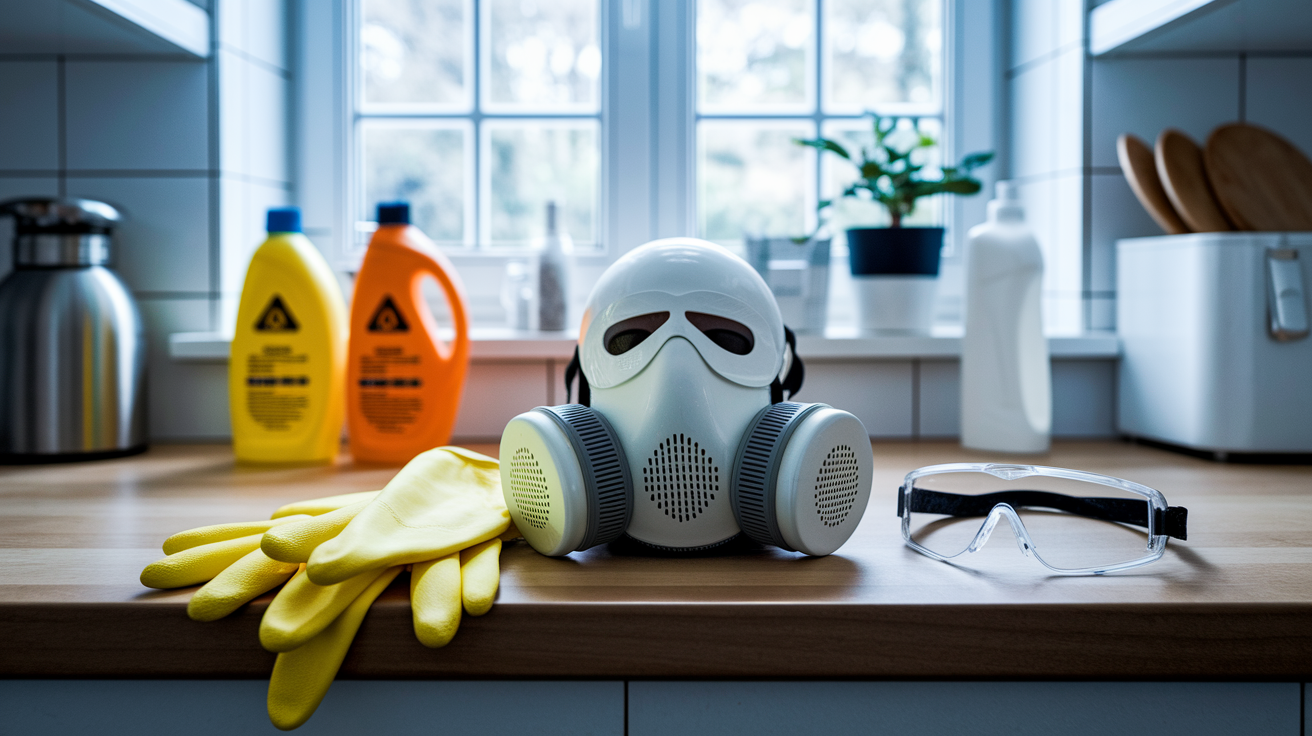
Cleaning up smoke involves chemicals, dust, and sometimes strong fumes that require basic safety measures. You’re working with deodorizers, cleaning solutions, and potentially airborne particles, so protecting yourself and your household matters as much as getting rid of the smell.
-
Wear protective gloves when handling cleaning solutions, especially degreasers or ammonia based products, to prevent skin irritation or chemical burns from prolonged contact.
-
Ensure adequate ventilation by opening windows and doors during active cleaning, particularly when using commercial cleaners, ammonia, or running ozone generators. Fresh air dilutes fumes and reduces inhalation risks.
-
Never mix ammonia based products with vinegar, bleach, or other acidic cleaners. This creates toxic fumes that can cause immediate respiratory distress and serious health problems.
-
Keep pets and children away from treatment areas until surfaces are completely dry and any chemical smells have dissipated, usually two to three hours after cleaning depending on ventilation.
-
Use respiratory protection like an N95 mask if you’re dealing with heavy soot or visible smoke residue, since breathing in fine particles can irritate lungs and airways, especially during scrubbing or vacuuming.
-
Verify that cleaning products are food safe or thoroughly rinse surfaces near food preparation areas. Residue from strong cleaners left on countertops can contaminate food even if the surface looks clean.
-
Follow manufacturer instructions exactly when using commercial odor eliminators or equipment like ozone generators. Using more than recommended doesn’t speed up results and can create new safety hazards or damage surfaces.
Natural methods like baking soda, white vinegar, and lemon juice are generally safer for households with children, pets, or anyone with respiratory sensitivities. If you need stronger solutions, choose those first and reserve chemical cleaners for stubborn areas. Chemical cleaners and ozone generators require complete room isolation. Close doors, seal gaps if possible, and don’t allow access until the treatment cycle finishes and the area has been thoroughly aired out.
Wait a minimum of 2 hours after applying chemical cleaners before allowing pets or children back into the kitchen, longer if the smell is still strong. Individuals with asthma or chronic respiratory conditions should avoid actively treated areas until all cleaning product odors have cleared and surfaces are dry. If someone in your household is particularly sensitive, consider having them stay elsewhere during heavy deodorizing treatments that involve multiple chemical applications or ozone use.
Final Words
Removing smoke smell from kitchen surfaces takes some elbow grease, but it’s totally doable with the right approach.
Start fast with ventilation and natural absorbers like baking soda and white vinegar. Clean surfaces thoroughly to get rid of residue. Don’t forget fabrics and appliance interiors, where smoke loves to hide.
If the smell sticks around after a few days of solid effort, step up to enzymatic cleaners or consider an ozone treatment. Most kitchen smoke clears in 24 to 72 hours with consistent action.
You’ve got this.
FAQ
How do you get the smell of smoke out of your kitchen?
You get the smell of smoke out of your kitchen by opening windows immediately, removing burnt food, placing bowls of baking soda and white vinegar around the room, wiping down all surfaces with cleaning solution, and running your exhaust fan. Acting within 30 minutes prevents smoke particles from settling deep into fabrics and porous materials.
What absorbs smoke odor?
Baking soda absorbs smoke odor through its alkaline, porous structure that binds with acidic odor molecules and transforms them into odorless gas. White vinegar, activated charcoal, and coffee grounds also work as natural absorbent materials when placed in open bowls throughout the kitchen for several days.
How do you remove burnt smoke smell from kitchen surfaces?
You remove burnt smoke smell from kitchen surfaces by wiping walls, cabinets, countertops, and ceilings with a white vinegar solution (1:1 with water) or dish soap mixture, then rinsing with clean water. For heavy grease residue, use a degreaser and work top-to-bottom to prevent streaking and redepositing smoke particles.
How long does fire smoke smell last in a house?
Fire smoke smell lasts 12 to 24 hours for light smoke like burnt toast, 2 to 4 days for moderate grease fires, and 5 to 7 days or longer for heavy oven fires or extensive smoke damage. The timeframe depends on smoke severity, how quickly you act, and whether you use proper ventilation and cleaning methods.
When should you use an ozone generator for smoke smell?
You should use an ozone generator for smoke smell when natural remedies and basic cleaning haven’t worked after 3 to 4 days, or when dealing with heavy grease smoke or fire-related damage. Always vacate the room during the 2 to 4 hour treatment and air out thoroughly before re-entry.
Can you use natural methods to eliminate kitchen smoke odor?
You can use natural methods like baking soda, white vinegar, activated charcoal, and lemon juice steam to eliminate kitchen smoke odor effectively and safely. These household items absorb and neutralize odor molecules without harsh chemicals, making them ideal for homes with children, pets, or respiratory sensitivities.
What kitchen appliances trap smoke odor?
Kitchen appliances like ovens, microwaves, stovetops, refrigerator seals, and dishwashers trap smoke odor because heat causes them to absorb particles more readily. Clean oven interiors with baking soda paste, steam-clean microwaves with vinegar-water, and wipe down all exterior surfaces to release trapped odors.
How do you treat fabric items that smell like smoke?
You treat fabric items that smell like smoke by washing curtains and dish towels in hot water with 1 cup white vinegar added to the rinse cycle, and sprinkling baking soda on non-washable upholstery or rugs for 3 to 4 hours before vacuuming. Repeat treatments 2 to 3 times for persistent odors.
Should you run your exhaust fan after cooking?
You should run your exhaust fan before heating begins and continue running it for 15 to 20 minutes after cooking to prevent smoke from dispersing into the room. Clean grease filters monthly and check ductwork annually, as clogged filters significantly reduce smoke removal effectiveness.
What’s the difference between absorbing and masking smoke odor?
Absorbing smoke odor chemically binds and neutralizes odor molecules through substances like baking soda and activated charcoal, while masking only covers the smell temporarily with fragrance. Natural deodorizers work by absorption, providing complete odor removal rather than temporary concealment that returns when the fragrance fades.
