
When water’s spreading across your floor at 2 a.m., you need a restoration contractor who picks up the phone and shows up fast, not one you’re still researching three days later while the damage gets worse. Local residential restoration teams exist specifically for these moments, with 24/7 dispatch, rapid response within 60 to 90 minutes, and the equipment to start containment immediately. This guide breaks down how to connect with qualified contractors in your area, what to expect from first contact through final repairs, and why fast emergency response makes the difference between a quick fix and a months-long headache.
Local Restoration Contractors Ready to Help Your Home
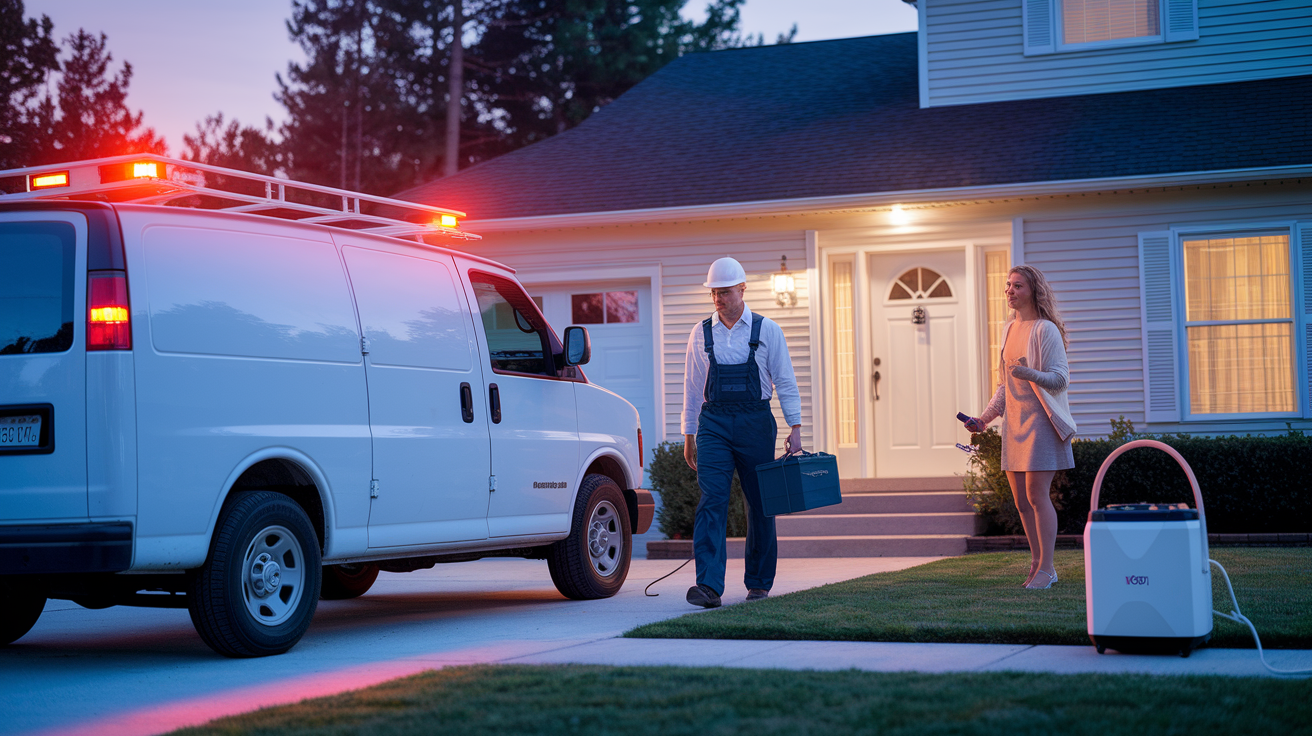
When damage hits your home, getting connected with a local restoration contractor quickly can make or break the outcome. Most companies give you multiple ways to reach them: emergency phone lines, online forms, and 24/7 dispatch to get things moving within hours.
Before you call, pull together this info to speed things up:
- Property type and location. Single family, townhouse, condo, apartment, plus the full street address.
- Type of damage. Water, fire, smoke, storm, mold, or some combination.
- When it happened. Recent event or something that’s been building.
- Insurance information. Carrier name and policy number if you’ve got it handy.
- Immediate safety concerns. Standing water depth, exposed electrical, anything that looks unstable.
- Access details. Lockbox codes, gate info, how you want crews to get in.
- Preferred contact method. Phone, text, email for updates and scheduling.
Most local contractors confirm they cover your area during that first call and set up a free inspection to assess what’s going on and give you cost estimates. Emergency situations usually get same day service. Non-urgent projects get scheduled within a day or two depending on crew availability.
For urgent damage like active water intrusion, fire aftermath, or storm damage, good restoration companies stay available around the clock with rapid response teams ready to roll. Same day service for emergencies means a crew can show up within 60 to 90 minutes in most areas to start mitigation. Immediate help prevents secondary damage from spreading. Standing water causes mold within 24 hours. Smoke residue gets harder to remove as time goes by. Storm damaged roofs leak worse with every rain.
The initial assessment includes a walkthrough of every affected area, moisture detection with professional equipment, photos for insurance purposes, and a clear explanation of what should happen next. Contractors provide written estimates within 24 hours covering mitigation, cleanup, repairs, and reconstruction needed to get your home back to normal.
Comprehensive Restoration Services Available in Your Area
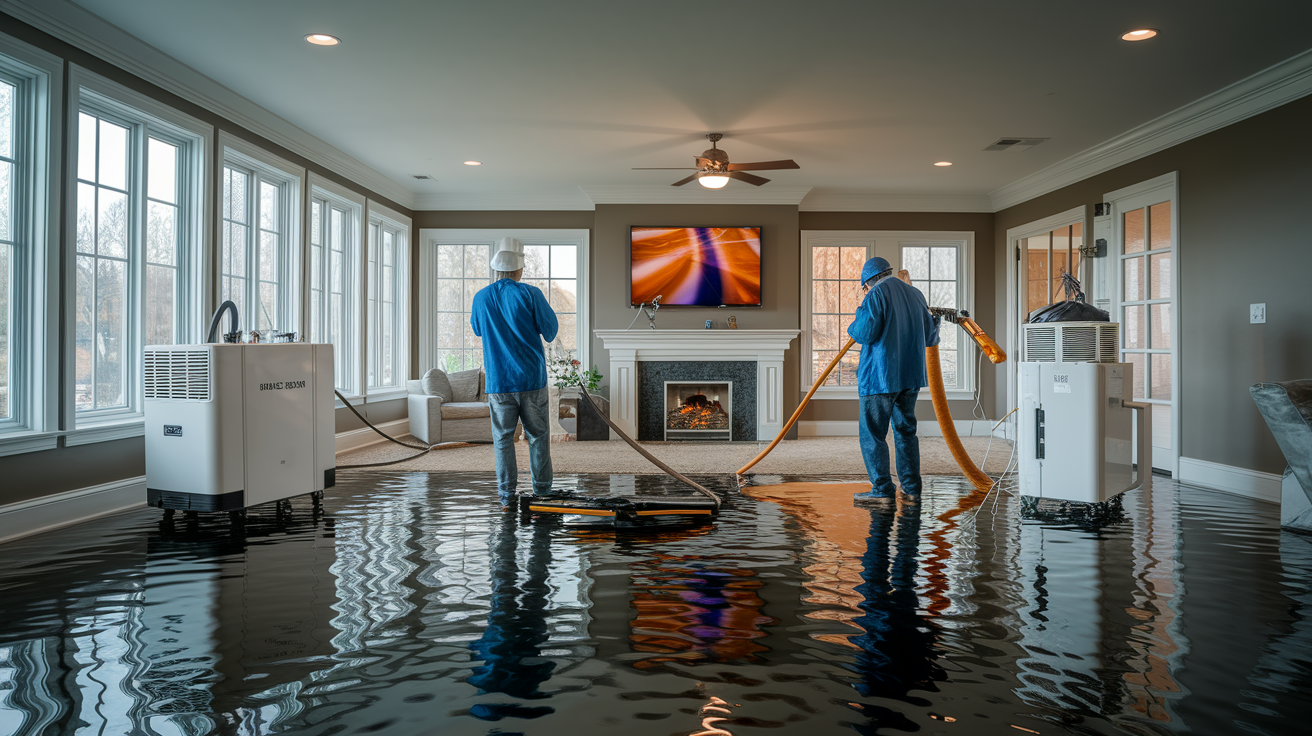
Residential restoration contractors handle everything from small isolated leaks to complete disaster recovery requiring major reconstruction. Local teams bring specialized equipment, trained technicians, and proven processes to address whatever your home needs after an emergency.
Water and Flood Damage Restoration
Water intrusion needs immediate action to prevent permanent damage and mold growth. Professional water damage restoration includes emergency extraction using truck mounted pumps and portable extractors, industrial drying with high velocity air movers positioned throughout affected rooms, commercial dehumidification that pulls moisture from the air faster than household units, and thermal imaging to find hidden water trapped behind walls or under flooring.
Common residential scenarios include burst pipes flooding basements or living spaces during freezing weather, basement flooding from heavy storms overwhelming sump pumps or foundation drainage, sewage backup from clogged main lines creating biohazard contamination, appliance leaks from failed water heaters or washing machine hoses, and plumbing failures causing ceiling or wall damage when supply lines rupture inside walls. Each situation needs specific protocols. Sewage backup requires sanitization and disinfection. Clean water from supply lines focuses on rapid drying to prevent secondary issues.
Hardwood floor drying uses specialized mat systems that pull moisture from wood without causing cupping or buckling. Carpet cleaning for water damaged areas involves extraction, antimicrobial treatment, and thorough drying before deciding on reinstallation or replacement.
Fire and Smoke Damage Recovery
Fire damage restoration starts with securing the property through board up services, then moves into detailed soot cleanup across all surfaces. Smoke damage treatment addresses residue on walls, ceilings, contents, and inside cabinets using professional cleaning solutions formulated for different surface types. Odor removal requires more than air fresheners. Contractors use thermal fogging, ozone treatment, or hydroxyl generators that neutralize smoke molecules at the source.
Structural repairs after fire events range from replacing burned framing members to installing new drywall and repairing roof sections damaged by flames or firefighting efforts. HVAC cleaning removes smoke contamination from ductwork that would otherwise circulate odors and particles throughout your home every time the system runs.
Storm and Weather Related Repairs
Weather damage from severe storms includes wind that tears off shingles or siding, hail creating roof punctures and granule loss, and tree damage when falling limbs or whole trees impact structures. Emergency board up services secure broken windows and damaged walls to prevent weather exposure and unauthorized entry.
Roof leaks require immediate temporary tarping to stop water intrusion while permanent repairs get scheduled. Emergency tarping provides weather protection for days or weeks until replacement materials arrive and installation crews can complete the work. Natural disasters like hurricanes, tornadoes, or severe thunderstorms often create multiple damage types requiring comprehensive restoration across roofing, siding, windows, and interior water damage from roof penetrations.
Mold Remediation and Prevention
Mold removal follows strict containment protocols to prevent spore spread during remediation. Contractors seal off affected areas with plastic sheeting and negative air pressure, remove contaminated materials like drywall or insulation that can’t be salvaged, clean remaining surfaces with antimicrobial solutions, and treat the space to prevent regrowth.
Air quality testing before and after remediation confirms the space is safe for reoccupancy. Identifying moisture sources, whether from plumbing leaks, roof issues, or humidity problems, is essential for prevention. Without addressing the root cause, mold returns within weeks or months.
Content and Personal Property Restoration
Beyond structural repairs, restoration contractors offer specialized services for salvaging belongings affected by water, fire, or smoke. Pack out services remove contents from the damaged area, transport items to a climate controlled facility for cleaning and storage, and return everything once reconstruction completes.
Contents cleaning addresses smoke residue, water damage, and odor on furniture, electronics, clothing, and household items using specialized techniques for each material type. Document drying salvages important papers, photos, and books using freeze drying or desiccant chambers. Electronics restoration involves disassembly, ultrasonic cleaning, and testing to recover computers, TVs, and appliances when possible. Furniture repair restores wood pieces damaged by water or smoke rather than replacing valuable or sentimental items.
Professional restoration approaches property damage as a complete recovery process, addressing both the building structure and everything inside it. This integrated approach reduces homeowner stress during an already difficult situation by coordinating all aspects of recovery with one company managing the entire project from emergency response through final walkthrough.
Understanding the Residential Restoration Process

Knowing what happens during each restoration phase helps homeowners feel more in control during an overwhelming situation. The process follows a proven sequence designed to stabilize damage quickly, then systematically repair everything until your home returns to normal.
The first 24 to 48 hours after damage occurs represent the most critical window for preventing additional problems. Quick response during this period stops water from spreading to unaffected areas, prevents smoke residue from permanently bonding to surfaces, and reduces the likelihood of mold growth in damp materials. Emergency mitigation services include water extraction to remove standing water immediately, board up services for fire or storm damage to secure broken windows and damaged walls, emergency tarping to cover roof damage and prevent continued weather intrusion, and property securing to protect against unauthorized entry or further damage from the elements.
Professional restoration follows this sequence from first contact through project completion:
- Emergency contact and rapid response. Call received, crew dispatched, arrival within 60 to 90 minutes for urgent situations.
- Immediate mitigation actions. Water extraction, property securing, emergency tarping, initial damage containment to stop the spread.
- Comprehensive damage assessment. Inspection of all affected areas, moisture detection, documentation with photos and notes, identification of both visible and hidden damage.
- Mitigation to prevent further damage. Complete drying services, dehumidification, removal of unsalvageable materials, antimicrobial treatments where needed.
- Cleanup and repair. Soot cleanup, odor removal, contents cleaning, sanitization, and preparation for reconstruction.
- Reconstruction services. Structural repairs, drywall replacement, painting services, flooring installation, trim work, and finish carpentry.
- Final inspection and walkthrough. Quality check, homeowner approval, documentation of completed work, warranty information.
Reputable restoration contractors maintain regular communication throughout the project with daily or weekly updates depending on project scope. Before and after photos document the full extent of damage and completed repairs for insurance claims and homeowner records. Most companies back their work with satisfaction guarantee policies and warranty coverage on repairs, giving homeowners confidence the job will be done right.
Credentials and Qualifications for Restoration Contractors
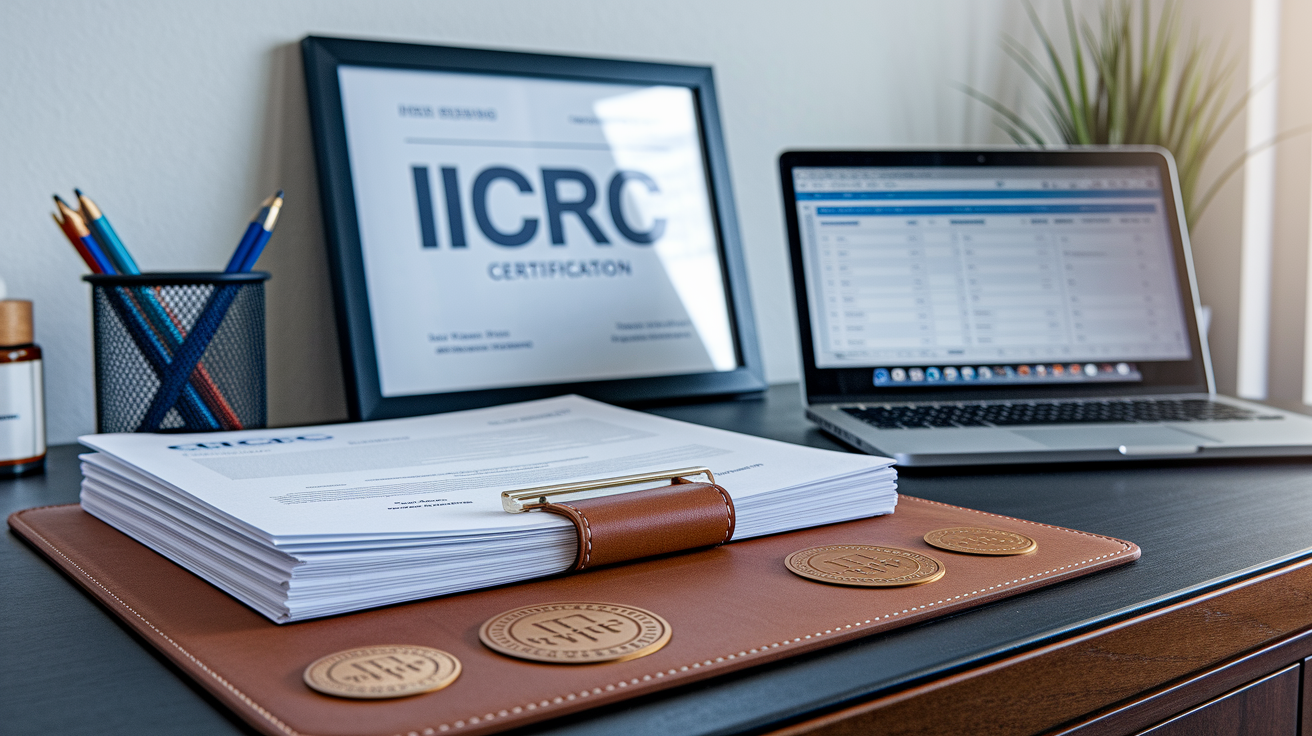
Proper licensing demonstrates that a contractor has met state requirements for knowledge, experience, and financial responsibility. State licensing boards verify applicants have the necessary training, pass competency examinations, and maintain minimum insurance coverage before issuing licenses. Licensed professionals operate under regulatory oversight that provides homeowner protections. Complaints can be filed with licensing boards, and serious violations can result in license suspension or revocation. This accountability matters when trusting someone to enter your home and perform extensive repair work.
Industry certifications like IICRC certification validate that restoration technicians have completed specialized training in water damage restoration, fire and smoke restoration, mold remediation, or other specific disciplines. The Institute of Inspection, Cleaning and Restoration Certification sets industry standards that certified professionals must follow. EPA approval is required for contractors handling lead based paint in homes built before 1978 or performing asbestos abatement. These certifications confirm contractors understand proper safety protocols, containment procedures, and disposal requirements for hazardous materials. Adherence to industry standards ensures work quality meets accepted best practices rather than shortcuts that create future problems.
Insurance requirements protect both homeowners and workers during restoration projects. Bonded and insured contractors carry general liability insurance covering property damage caused during work, workers’ compensation insurance for employee injuries, and surety bonds guaranteeing project completion. Reputable companies conduct background checks on employees before sending them into customers’ homes, providing peace of mind about who has access to your property. Warranty coverage on completed work demonstrates contractor confidence in workmanship quality. Most offer warranties ranging from one year on basic repairs to lifetime warranties on certain structural work.
| Credential Type | What It Verifies | Why It Matters |
|---|---|---|
| State Licensing | Legal authority to perform contracting work, minimum insurance coverage, passed competency exams | Regulatory oversight, complaint process available, financial responsibility verified |
| IICRC Certification | Specialized training in restoration techniques, adherence to industry standards, continuing education | Proven knowledge of proper methods, quality workmanship standards, up to date on best practices |
| Insurance and Bonding | Liability coverage, workers’ compensation, completion bonds | Protection from financial loss if damage occurs or project isn’t completed |
| EPA Approval | Training in lead safe practices, asbestos handling certification | Safe handling of hazardous materials, legal compliance, health protection |
| Background Checks | Criminal history screening for all employees | Safety and security when workers enter your home, trust in company vetting process |
Working With Insurance Claims During Home Restoration

Experienced restoration contractors streamline the insurance claims process by providing detailed documentation that adjusters need to approve coverage. Contractors photograph all damaged areas from multiple angles, measure moisture levels and affected square footage, create itemized cost estimates breaking down labor and materials for each repair task, and maintain daily logs of work performed. This thorough documentation supports your claim with objective evidence rather than relying on homeowner descriptions alone. Many contractors communicate directly with insurance adjusters, answering technical questions about necessary repairs and appropriate costs, which speeds up approval decisions and reduces back and forth delays.
Free inspection and assessment services let homeowners understand the full scope of damage and likely insurance coverage before committing to repairs. During the inspection, contractors identify all damaged areas including hidden issues that might not be immediately visible, determine what’s covered under typical homeowner policies, and explain the difference between covered perils and excluded damage.
The best restoration companies assign a dedicated project manager who serves as your single point of contact with the insurance company throughout the claims process. This person attends adjuster meetings, provides supplemental documentation when additional damage is discovered during repairs, and advocates for complete coverage of necessary work. Direct insurance company communication removes the burden from homeowners who are already stressed and unfamiliar with claims procedures. Contractors experienced with insurance restoration know how policies typically handle different damage types and what documentation adjusters require for approval.
Transparent competitive pricing includes detailed line item estimates showing exactly what you’re paying for, helping you understand costs whether insurance covers everything or you’re paying out of pocket for excluded items. Payment options typically include direct insurance payment where the carrier pays the contractor after deductible collection, financing available through third party lenders for uncovered work, and flexible payment plans for homeowner responsibility portions. Some damage falls outside insurance coverage. Gradual leaks, maintenance issues, or excluded perils requiring homeowners to cover those costs separately. Contractors should clearly explain which repairs insurance will likely cover versus out of pocket cost considerations before work begins.
Reconstruction and Structural Repair Services
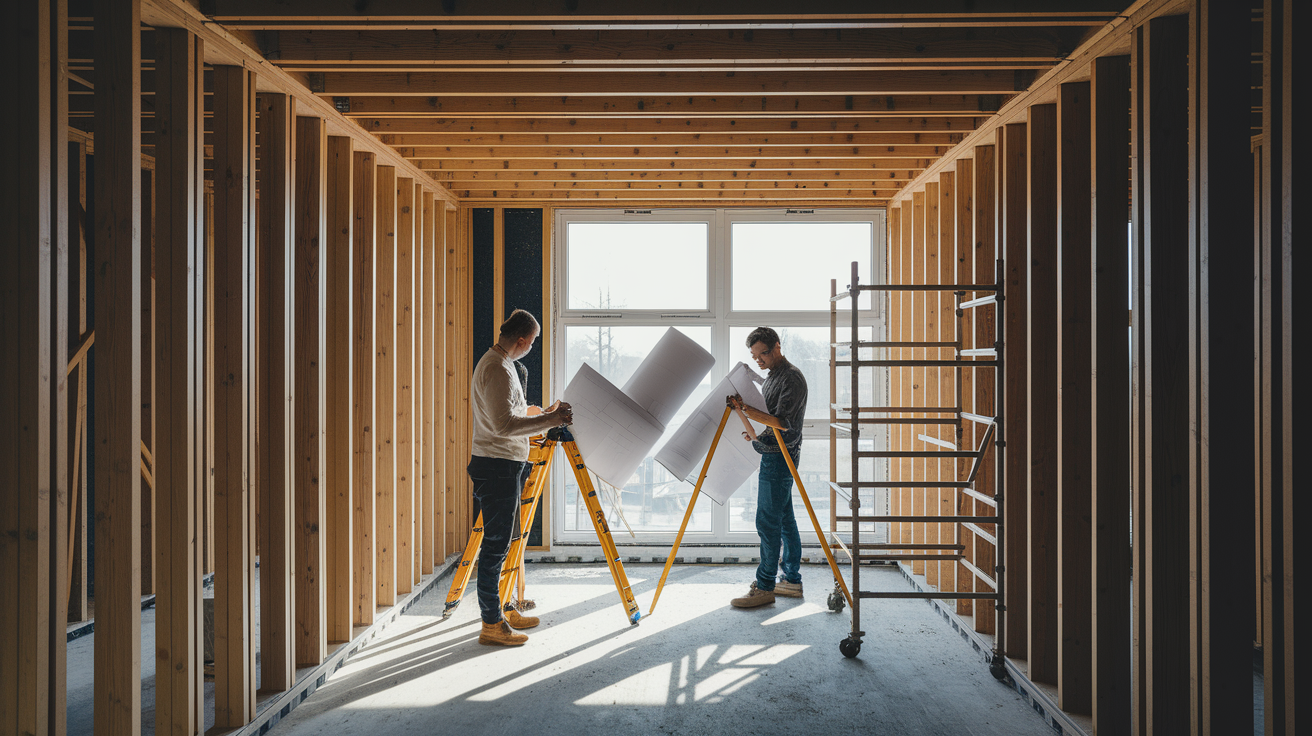
Once mitigation and cleanup remove damaged materials and dry out the structure, reconstruction services return your home to pre loss condition or better. This rebuilding phase transforms a gutted, damaged space back into a finished, livable home.
Structural repairs address the fundamental integrity of your home’s framework and support systems. Foundation issues from water intrusion or settling require specialized techniques like underpinning, mud jacking, or foundation wall replacement. Framing damage from fire or storm events involves replacing burned or broken studs, joists, rafters, or trusses while maintaining proper load paths. Load bearing wall repairs demand engineering calculations to ensure replacement supports carry the required weight safely. Ceiling damage from roof leaks or upper floor plumbing failures often requires complete joist replacement when wood has rotted or weakened beyond salvage.
Finish work rebuilds the visible surfaces and details that make a house feel like home again. Drywall replacement involves hanging new sheets, taping and mudding joints to create smooth transitions, and texturing to match surrounding areas. Painting services include primer application on new drywall, multiple finish coats in colors matching your existing home, and trim painting for a polished final appearance. Flooring installation replaces water damaged hardwood, tile, carpet, or vinyl with materials matching or upgrading what was there before. Trim work and finish carpentry restore baseboards, door casings, window sills, crown molding, and other architectural details. Experienced contractors take care to match existing home aesthetics. Finding the right paint sheen, matching wood stains, replicating texture patterns so repaired areas blend seamlessly with undamaged portions.
Quality workmanship means attention to details like straight cuts, tight joints, smooth finishes, and proper installation techniques that prevent future problems. Warranty coverage typically includes one year on standard finish work and longer periods on structural repairs, giving homeowners recourse if issues develop. Project management during rebuilding coordinates multiple trades: framers, electricians, plumbers, drywall installers, painters, flooring specialists. Ensuring work happens in the right sequence without delays. A dedicated project manager schedules inspections, orders materials, supervises subcontractors, and keeps homeowners informed of progress every step of the way.
Types of Residential Properties Served by Restoration Contractors
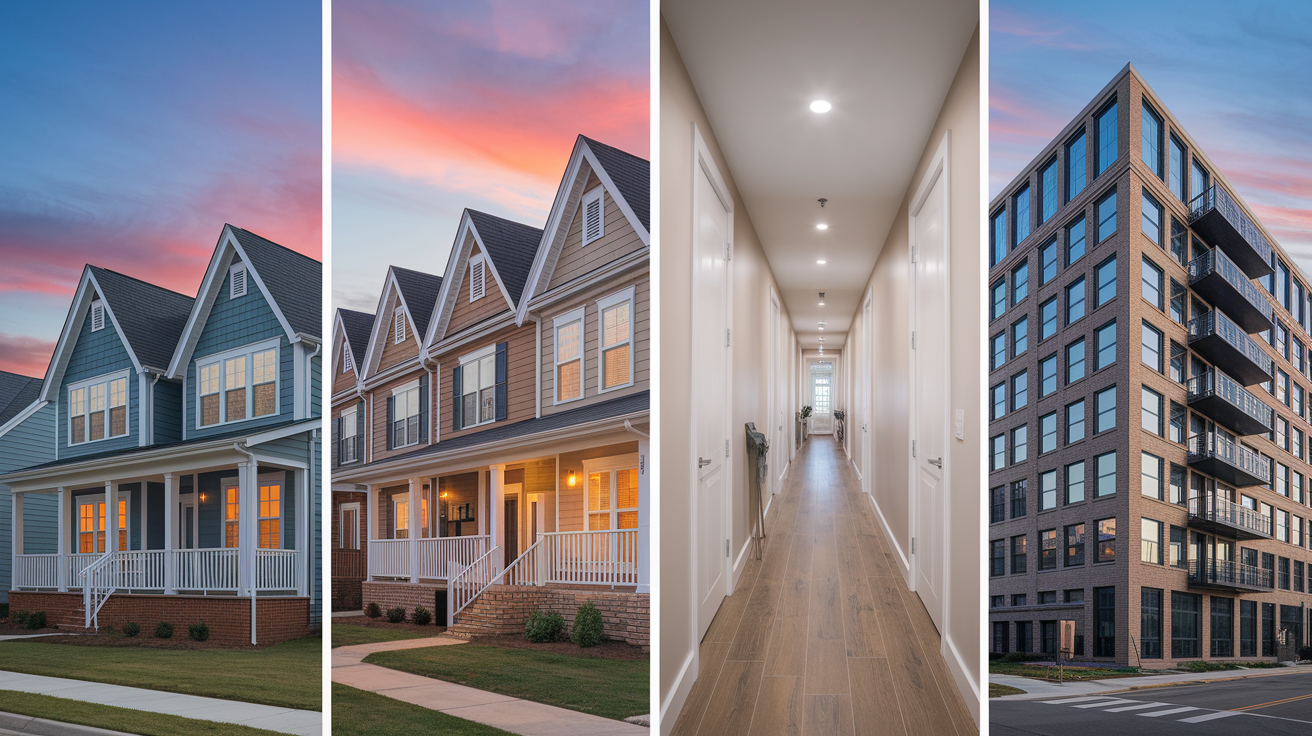
Restoration services adapt to whatever type of residential property you own, whether that’s a detached house, attached dwelling, or unit within a larger building. Each property configuration presents different access challenges, coordination requirements, and restoration considerations.
Single family homes offer straightforward access and decision making since one homeowner controls the entire property, but may involve larger square footage and more extensive damage spread across multiple floors or outbuildings. Townhouses share walls with neighboring units, requiring careful containment during water extraction or demolition to prevent affecting adjacent properties. Condominiums involve coordination between individual unit owners and HOA boards, particularly when damage affects common areas like roofs, exterior walls, or shared plumbing systems. Determining who pays for what repairs can complicate the restoration process. Apartments present similar multi unit considerations, often involving property management companies that must approve contractors, review scopes of work, and coordinate access to affected units and common areas.
Unique considerations for multi unit properties include understanding condo association rules about contractor requirements, insurance coverage boundaries between individual unit policies and master association policies, and access coordination when work affects hallways, mechanical rooms, or other shared spaces. Restoration contractors experienced with different residential properties know how to navigate HOA approval processes, communicate with property management companies, and work within the constraints of shared structures where you can’t just tear into a wall without considering the unit next door.
Local contractors familiar with regional property types understand the common construction methods, typical damage patterns, and building code requirements specific to your area. Service area coverage from nearby companies means faster response times when minutes matter during water intrusion or fire aftermath. A local contractor who’s worked on dozens of homes in your neighborhood knows whether basements typically have sump pumps, how roofs are usually constructed, and what insurance carriers operate in the region. Knowledge that speeds up the entire restoration process and reduces complications.
Advanced Equipment and Techniques in Home Restoration

Professional grade restoration equipment achieves results impossible with consumer tools rented from hardware stores or household fans pointed at wet carpet.
The equipment gap between professional and DIY approaches becomes obvious when you compare extraction power, drying capacity, and detection capabilities. A homeowner’s wet dry shop vacuum removes surface water but lacks the suction power of truck mounted extraction units pulling hundreds of gallons per hour from saturated carpet and pad. Household fans move air but don’t create the focused, high velocity airflow that industrial air movers direct across wet surfaces to accelerate evaporation. Consumer dehumidifiers pull a few pints of moisture daily while commercial units remove hundreds of pints, dropping humidity levels fast enough to prevent mold growth.
Moisture detection technology lets contractors find problems invisible to the naked eye. Thermal imaging cameras display temperature variations across walls and ceilings. Wet materials appear cooler than dry areas, revealing water intrusion paths behind finished surfaces without invasive demolition. Moisture meters with pin probes or non invasive sensors measure exact moisture content in wood, drywall, and concrete, tracking drying progress with objective data rather than guesswork. This hidden damage identification prevents contractors from missing saturated insulation inside walls or wet subfloor under apparently dry surface materials that would cause problems months later.
Drying and air quality equipment controls the environment inside your home during restoration. Industrial fans, also called air movers, position in specific patterns to create airflow across all wet surfaces. Contractors calculate the number and placement based on room size and damage extent. Dehumidification systems run continuously, pulling moisture from the air so materials can release trapped water through evaporation. Air scrubbers filter particles and contaminants from the air during demolition, sanding, or other dusty work, protecting both workers and unaffected areas from contamination. Air quality testing measures particle counts, identifies mold spores or other biological contaminants, and confirms spaces are safe before reconstruction begins.
Key equipment used in professional restoration:
- Thermal imaging cameras. Detect temperature differences indicating moisture behind walls, in ceilings, or under floors without cutting into materials.
- Industrial dehumidifiers. Remove 150+ pints of moisture daily, rapidly dropping humidity to prevent mold and speed drying.
- Air movers and industrial fans. High velocity airflow directed across wet surfaces, positioned in calculated patterns for maximum drying efficiency.
- Moisture detection meters. Pin type and non invasive meters measure exact moisture content in building materials, tracking drying progress objectively.
- Air scrubbers. HEPA filtration removes particles, mold spores, and contaminants from air during demolition and cleanup.
- Sanitization equipment. Antimicrobial foggers, ULV sprayers, and disinfection systems treat surfaces after water or biohazard events.
- Professional extraction units. Truck mounted or portable pumps removing hundreds of gallons per hour, far exceeding shop vacuum capacity.
Selecting the Right Restoration Contractor for Your Needs

Choosing a restoration contractor based solely on the lowest estimate often leads to problems when that company cuts corners, uses subpar materials, or lacks proper insurance coverage. Thorough evaluation of multiple factors protects your home and your investment.
Customer reviews and online ratings provide insight into how contractors treat clients, handle problems, and deliver on promises. Read beyond star ratings to actual review content. Look for patterns in comments about communication, timeliness, quality of work, and how the company resolved issues when things didn’t go perfectly. Ask contractors for references from recent projects similar to yours, then actually call those homeowners and ask about their experience. Before and after photos of previous work demonstrate capability with damage similar to what you’re facing and show attention to detail in finished results.
Verify service area coverage to confirm the contractor regularly works in your location. Companies operating at the edge of their service area may have slower response times or charge travel fees. Response time commitments matter for emergencies, so ask how quickly crews typically arrive for urgent calls and whether 24/7 availability means a real person answers the phone or just a voicemail system. Experienced team qualifications include years in business, number of technicians on staff, and specific training certifications held by the people who’ll actually work in your home, not just the company owner.
Satisfaction guarantee policies and warranty coverage demonstrate contractor confidence in their work. Ask what happens if you’re not satisfied with results, how long warranties last on different types of work, and what’s covered if problems develop months after completion. Communication practices during projects should include a single point of contact, regular progress updates, and clear procedures for approving changes or additional work discovered during repairs. Contractors who provide detailed written communication, maintain organized project documentation, and respond promptly to questions make the restoration process far less stressful.
| Evaluation Factor | What to Look For | Red Flags to Avoid |
|---|---|---|
| Reviews and Reputation | Consistent positive feedback, specific project examples, verified reviews on multiple platforms, willingness to provide references | No online presence, many recent negative reviews, refusal to provide references, defensive responses to criticism |
| Licensing and Credentials | Current state contractor license, IICRC certifications, EPA approvals when needed, verifiable through public databases | Can’t provide license number, expired credentials, unlicensed subcontractors, evasive answers about qualifications |
| Communication and Transparency | Clear written estimates, prompt responses, detailed project timeline, single point of contact, regular updates | Vague verbal estimates only, slow to return calls, unclear scope of work, frequent staff changes, poor documentation |
| Guarantees and Warranties | Written warranty terms, clear satisfaction guarantee policy, specific coverage periods, process for addressing issues | No warranty offered, verbal promises only, refuses to put guarantees in writing, unclear about what’s covered |
What Residential Restoration Contractors Do
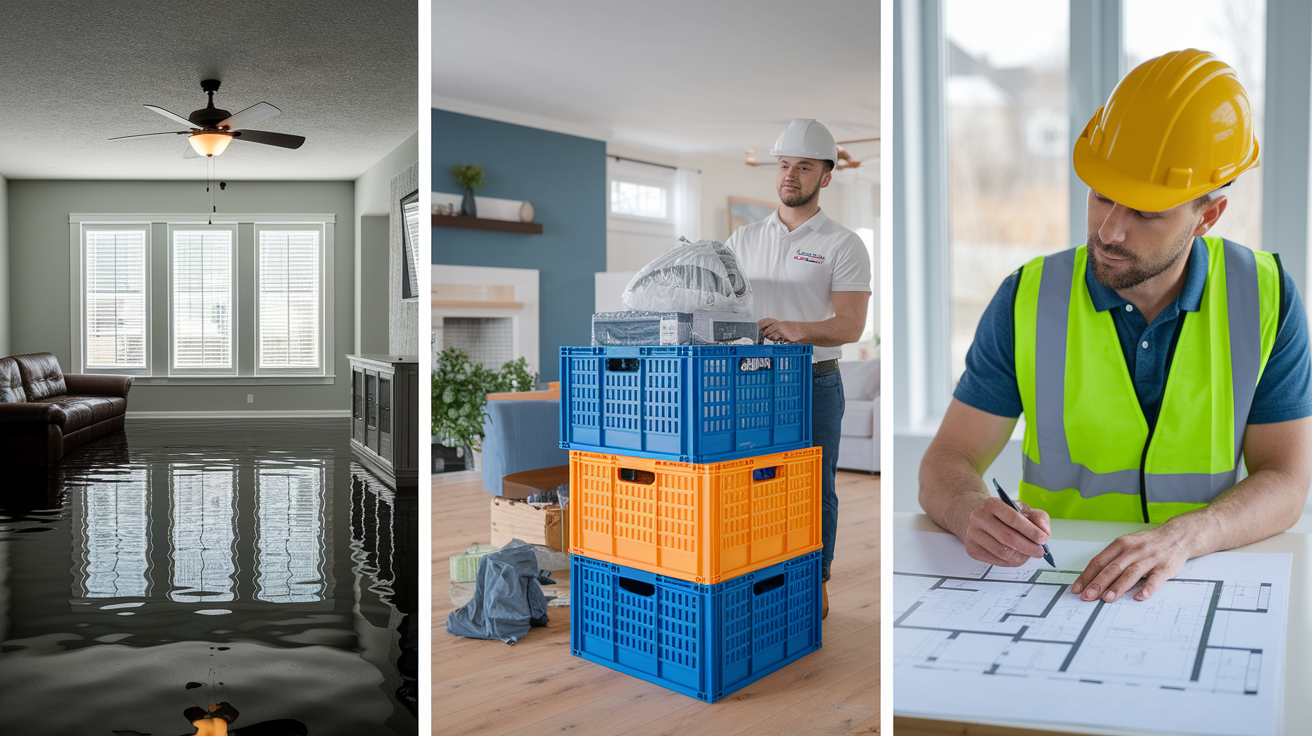
Residential restoration contractors specialize in repairing homes damaged by water intrusion, fire and smoke, mold growth, storm events, or other disasters that compromise the structure or safety of where you live. Unlike general contractors who build new projects or handle routine renovations, restoration contractors focus on returning damaged properties to pre loss condition through a combination of emergency response, specialized cleaning, mitigation services, and reconstruction.
Local service providers offer significant advantages during property damage emergencies. Proximity means faster arrival times when every hour of delay allows water to spread further or smoke residue to bond more permanently to surfaces. Regional building codes vary by location, and local contractors understand the specific requirements, permit processes, and inspection procedures in your area. Insurance requirements also differ by region. Local restoration companies have established relationships with adjusters from carriers operating in your market, understand typical coverage and exclusions, and know how to document damage in formats those specific companies require.
The general scope of restoration work starts with emergency response to stop damage from spreading. Extracting standing water, boarding up broken windows, tarping damaged roofs, or ventilating smoke filled spaces. Assessment and documentation follow, identifying all damaged areas and creating records for insurance claims. Mitigation services remove unsalvageable materials, dry out the structure, clean affected surfaces, and treat for contamination or odor. Reconstruction rebuilds what was removed, from structural framing through finish carpentry and painting. Throughout this process, restoration contractors handle contents cleaning, coordinate with insurance companies, manage timelines and subcontractors, and communicate progress to homeowners until final walkthrough and project completion. The goal is complete disaster recovery that returns your home to normal condition, handling every aspect of the job so you don’t need to coordinate multiple companies or learn restoration processes during an already stressful situation.
Final Words
When property damage happens, finding qualified residential restoration contractors near me becomes the immediate priority.
The right local team brings emergency response capability, complete service offerings from mitigation through rebuild, and the equipment to handle everything under one roof.
You won’t need to coordinate multiple contractors or wonder what comes next.
Check credentials, read reviews, and confirm 24/7 availability before you need it. If damage hits tonight, you’ll know exactly who to call and what to expect from that first contact through final walkthrough.
Your home can get back to normal, and the process doesn’t have to feel chaotic.
FAQ
How do you find a good restoration company?
You find a good restoration company by checking customer reviews and testimonials, verifying proper licensing and IICRC certification, examining before and after photos of completed projects, confirming 24/7 emergency availability, and asking about insurance claims assistance and satisfaction guarantees.
Should you hire a restoration company?
You should hire a restoration company when facing water damage, fire damage, storm damage, or mold issues because professionals use industrial-grade equipment like thermal imaging and dehumidifiers, respond within hours to prevent further damage, handle insurance documentation, and complete repairs faster than DIY approaches.
What is a restoration contractor?
A restoration contractor is a licensed professional who repairs homes after water damage, fire damage, storm damage, or mold contamination. They provide emergency response, damage assessment, mitigation services to stop damage spread, cleanup, structural repairs, reconstruction, and coordination with insurance companies throughout the recovery process.
How much does restoration work cost?
Restoration work costs vary based on damage extent, property size, and services needed. Most contractors provide free inspection and cost estimates, work directly with insurance companies to maximize coverage, and offer payment options or financing for portions not covered by your policy or deductible amounts.
How long does the restoration process take?
The restoration process timeline depends on damage severity and project scope. Emergency mitigation like water extraction happens same day, drying takes 3-5 days typically, and complete reconstruction can range from one week for minor repairs to several months for extensive fire or flood damage requiring structural work.
What happens during the first 24 hours after damage?
During the first 24 hours after damage, contractors provide emergency response including water extraction, board up services for fire or storm damage, temporary roof tarping, property securing, and initial damage assessment. Quick response during this critical window prevents secondary damage like mold growth or structural deterioration.
Do restoration contractors work with all property types?
Restoration contractors work with single family homes, townhouses, condominiums, and apartments. They understand unique considerations for each property type including HOA requirements, shared structure repairs, property management coordination, and multi-unit access issues that affect restoration planning and timeline.
