
A pipe bursts at 2 a.m., or smoke fills your kitchen during dinner. When disaster hits your home, waiting until morning isn’t an option. Professional 24/7 emergency restoration services respond within 60 to 90 minutes, any time of day or night, because the first hour determines whether you’re looking at containable damage or a spreading disaster. This guide walks you through what happens when you make that emergency call, the complete restoration process from safety check to final repairs, and what to expect when certified technicians arrive at your door ready to stabilize the situation and protect your home from additional damage.
Immediate Actions and What to Expect from 24/7 Emergency Services
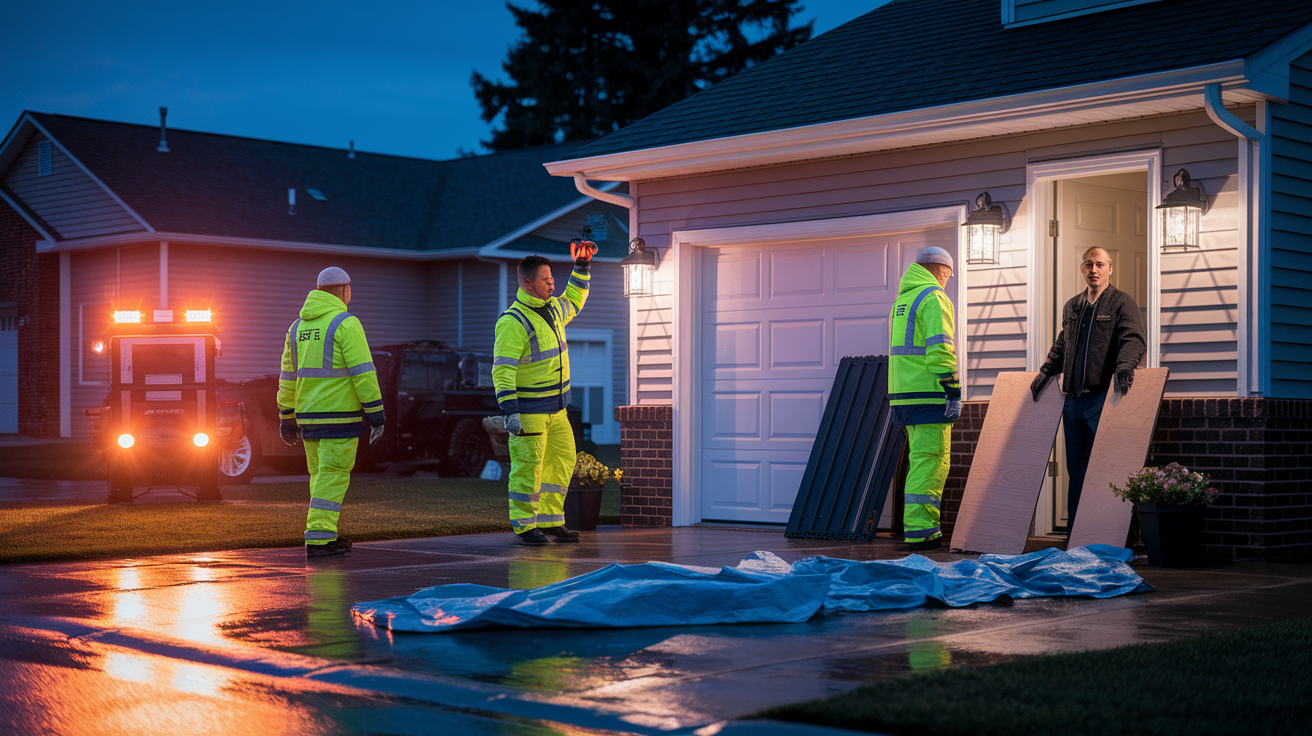
When disaster hits your home, you need to contact a 24/7 emergency restoration service right away. Every minute counts here. Professional services respond during nights, weekends, and holidays, typically dispatching certified technicians within 60 to 90 minutes.
During that first call, a rapid response team gets sent to your property for an immediate safety check. Technicians identify hazards like electrical risks, structural problems, and contamination levels. They’ll implement quick stabilization measures to stop damage from spreading, whether you’re dealing with floods, fires, mold outbreaks, storm damage, or other disasters. The focus during these first critical hours? Containment. Preventing the emergency from reaching unaffected areas of your home.
Here’s what you can expect during that first emergency visit:
- Property safety check and hazard identification
- Immediate damage containment and mitigation
- Initial documentation with photos for your insurance claim
- Emergency actions to stop damage progression (water extraction, board up, tarping)
- Clear explanation of what happens next and when
- Cost estimates and insurance coordination discussion
- 24/7 contact availability throughout the project
Professional restoration companies coordinate everything from emergency response through complete restoration. You won’t need to manage multiple contractors during a crisis. They provide project management support for homeowners, commercial properties, and property management clients, handling everything from that initial emergency call through the final walkthrough when you return to your restored home.
The Complete Emergency Response and Restoration Process
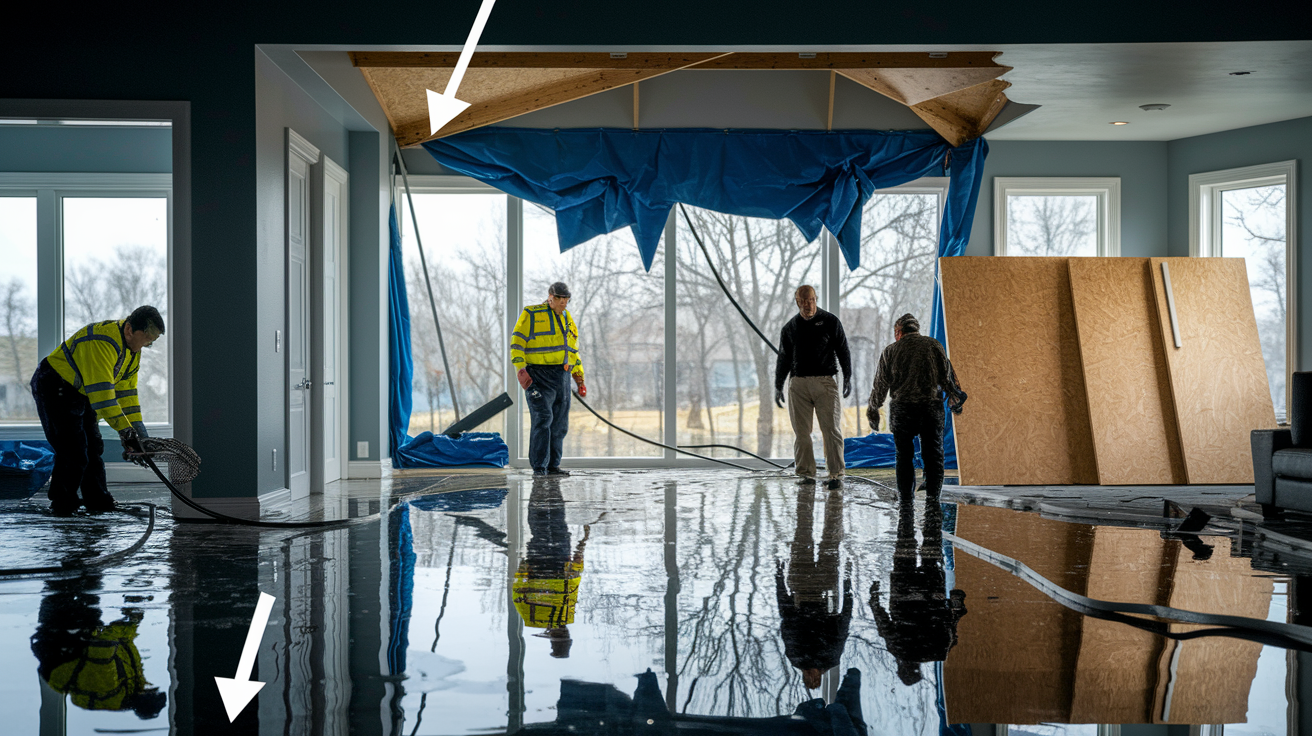
Professional restoration follows a systematic process designed to stabilize damage immediately, remove hazards, and return your home to pre-loss condition while preventing secondary damage like mold growth and additional deterioration.
Critical first hour actions prevent damage from escalating. For water emergencies, technicians immediately stop water sources like burst pipes and roof leaks, then begin standing water removal using powerful pumps, industrial wet/dry vacuums, portable extractors, and weighted extraction tools. This prevents absorption into structural materials like flooring and drywall. For fire and storm damage, emergency board up services secure broken windows and doors with plywood, roof tarping with heavy duty tarps prevents weather intrusion, and temporary covers protect against further damage and unauthorized entry. Every action during this first hour focuses on stopping additional destruction.
Here’s the complete restoration process from emergency contact through final repairs:
- Emergency Contact and Rapid Dispatch – 24/7 availability with typical 60 to 90 minute response times
- Safety Assessment and Immediate Mitigation – Identifying hazards, emergency water extraction, board up services, tarping, containing damage spread, electrical hazard assessment
- Comprehensive Damage Evaluation – Air and surface testing, moisture detection, structural assessment, documentation with photos for insurance
- Detailed Restoration Plan Development – Timeline estimates, cost estimation, scope of work explanation
- Cleanup and Removal – Demo and debris removal, soot removal, sanitization, disinfection for contaminated situations
- Drying and Dehumidification – Structural drying with dehumidifiers and air movers, humidity control, continuous moisture monitoring
- Restoration and Reconstruction – Drywall repair, ceiling repair, flooring restoration, complete restoration to pre-damage condition
Restoration companies provide comprehensive project management throughout the entire process. You’ll get clear communication and regular updates. They coordinate all phases from emergency response through final walkthrough, ensuring temporary repairs protect the property until permanent restoration work gets completed. You’ll know what’s happening, who’s working on your home, and when each phase will be finished.
Core Emergency Response Services for Property Damage

Emergency restoration companies handle the most common disaster scenarios affecting residential properties, from sudden plumbing failures to severe weather events. Each situation requires immediate professional response to minimize destruction and protect your home from additional problems.
Different damage types require specialized equipment, techniques, and expertise to ensure proper restoration and prevent secondary damage. What works for water extraction won’t help with smoke odor removal. Fire cleanup demands completely different tools than mold containment. Professional restoration teams arrive equipped for the specific emergency you’re facing.
Water Damage and Flood Restoration
Water damage restoration addresses burst pipes, appliance leaks, roof leaks, basement flooding, and sewage backups through immediate extraction using powerful pumps and industrial wet/dry vacuums. After removing standing water, structural drying begins with dehumidifiers and air movers to pull moisture from materials before it causes swelling, warping, or microbial growth. Sanitization follows, especially critical for contaminated water from sewage or flood sources. The process continues until moisture readings return to normal levels throughout affected areas.
Fire and Smoke Damage Recovery
Fire damage creates multiple restoration challenges beyond visible charring. Soot cleanup removes corrosive particles from surfaces before they cause permanent staining or deterioration. Smoke odor removal uses air scrubbers and specialized techniques to eliminate odors that penetrate porous materials. Ash removal, content cleaning, and structural assessment determine what’s salvageable and what requires replacement. Fire cleanup also addresses water damage from firefighting efforts. Sprinklers and fire hoses can saturate your home, requiring dual remediation approaches that handle both fire and water restoration at the same time.
Storm Related Emergency Services
Storm damage restoration covers destruction from high winds, hail, fallen trees, and weather related water intrusion. Wind can tear off roofing materials, break windows, and compromise structural integrity. Hail creates punctures that allow water inside. Tree damage requires immediate response to prevent weather exposure through openings in roofs or walls. Emergency water intrusion control stabilizes damage from compromised roofs and windows until permanent repairs can be completed.
Mold Remediation Following Water Events
Mold outbreaks develop quickly after water damage if moisture isn’t fully removed. Mold remediation includes contamination containment to prevent spores from spreading, HEPA vacuuming to remove surface growth and airborne particles, antimicrobial treatment with EPA registered products, and air filtration to clean the environment. The process also addresses moisture source elimination, fixing the plumbing leak or roof damage that allowed water intrusion in the first place. Without eliminating the moisture source, mold will return.
Emergency Response for Different Water Damage Categories
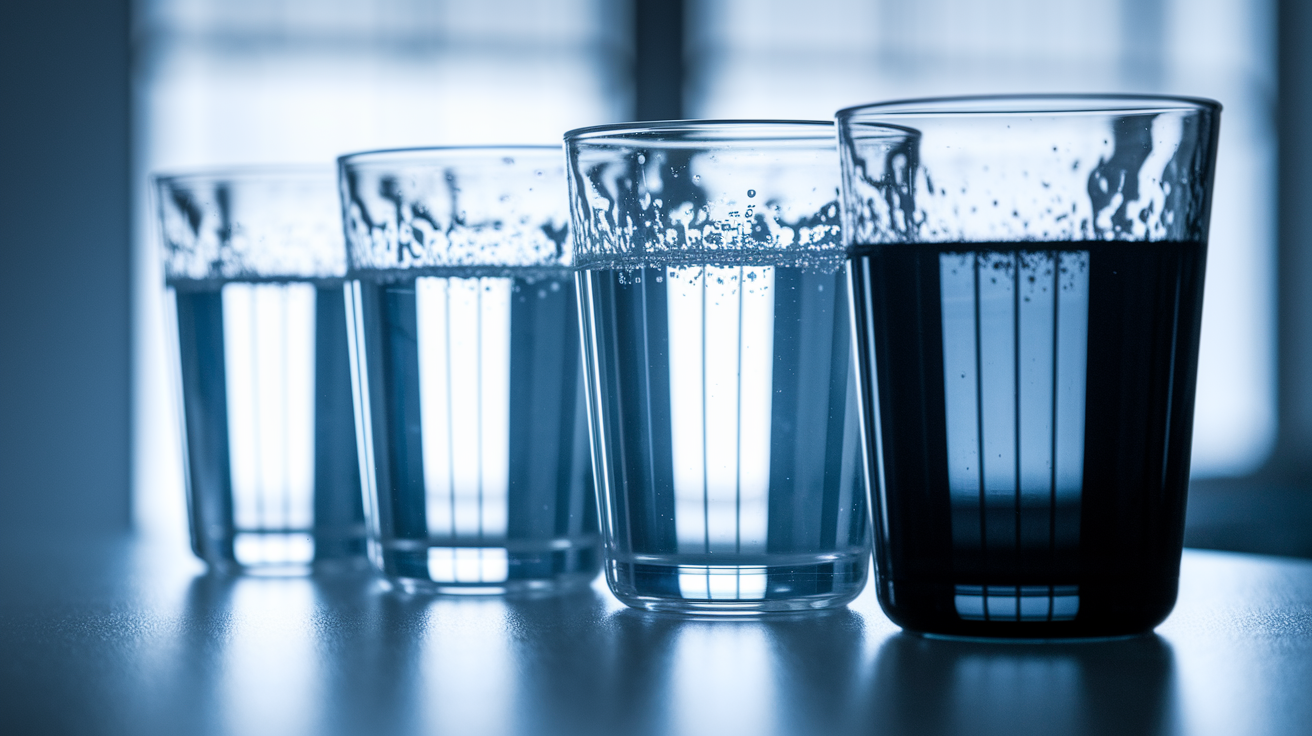
Water damage gets classified into three categories based on contamination level. Each requires different safety protocols, cleanup procedures, and specialized equipment.
Category 1: Clean Water Emergencies
Clean water damage comes from sanitary sources like burst pipes, frozen pipes that thaw, appliance supply line leaks, roof leaks from rain, and water heater failures. While this water starts out relatively clean, it can quickly absorb contaminants from building materials and become more problematic if not removed promptly. Emergency response uses powerful pumps and industrial wet/dry vacuums for extraction, followed by structural drying with dehumidifiers and air movers. The focus is speed. Removing water before it migrates into wall cavities, under flooring, or into insulation where it becomes much harder to dry.
Category 2: Gray Water Situations
Gray water contains some level of contamination from sources like washing machine overflow, dishwasher leaks, sump pump failure, or water that’s been sitting in contact with building materials. This category requires enhanced extraction techniques, disinfection protocols with EPA registered products, protective equipment for technicians, and thorough dehumidification. Materials that absorbed gray water may need disposal depending on contamination levels and how long water sat before extraction began. The sanitization phase becomes more critical to prevent health risks.
Category 3: Black Water Hazards
Black water poses serious health risks from sewage backup, basement flooding from external contaminated sources, toilet backflow issues, or any water that’s been standing long enough to support bacterial growth. This requires biohazard cleanup protocols with full protective equipment, EPA registered disinfecting and sanitizing products applied to all affected surfaces, and complete removal of porous materials like carpet, carpet padding, drywall, and insulation that absorbed contaminated water. Specialized sanitization continues throughout the process, and intensive structural drying returns homes to proper relative humidity levels only after contaminated materials are safely removed and disposed of following local guidelines.
Professional restoration companies assess water category immediately upon arrival to implement appropriate safety measures and deploy proper extraction equipment. They use EPA registered disinfecting and sanitizing products based on contamination levels, follow local guidelines for demo and debris removal of unsalvageable materials, and ensure thorough structural drying to prevent microbial growth and health risks. The assessment determines everything, from which safety equipment technicians wear to which materials can be saved versus what must be removed.
Fire Damage Emergency Response Beyond the Flames
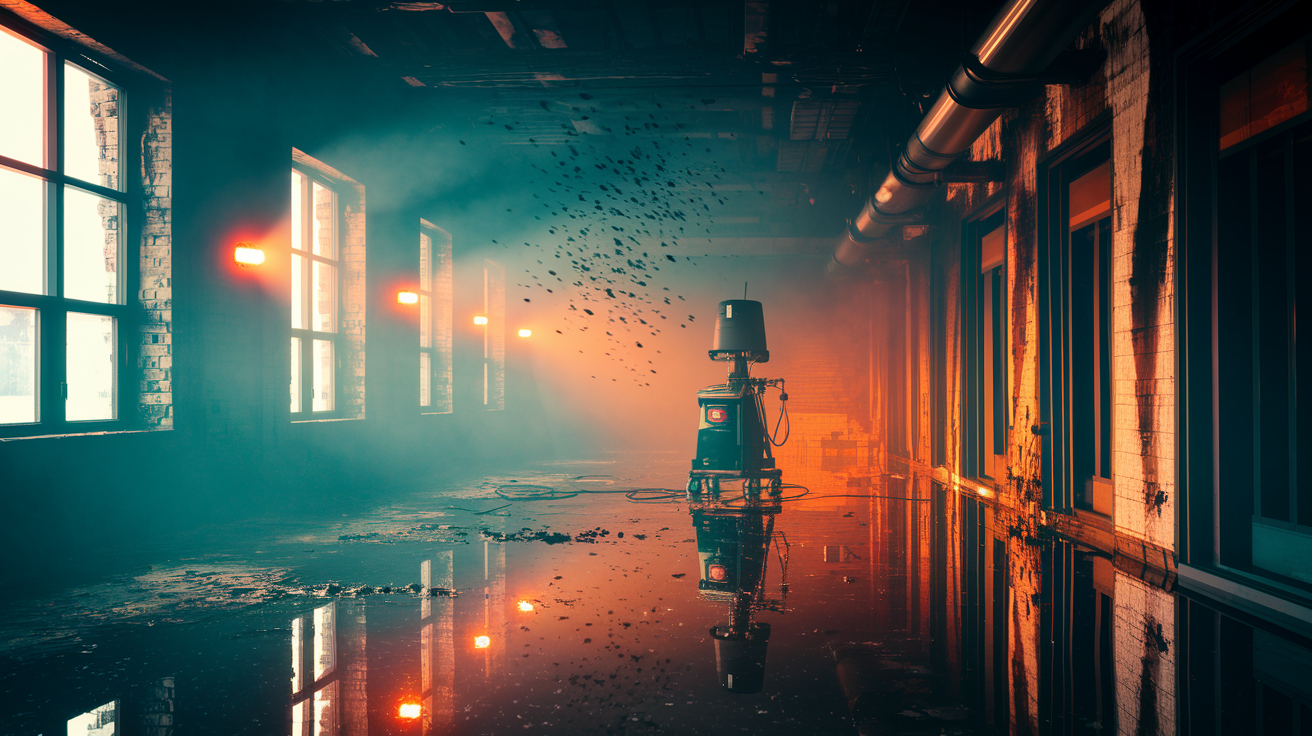
Fire damage creates multiple restoration challenges at once. Fire damage often comes with water damage from firefighting efforts, smoke damage penetrating porous materials, soot deposits on surfaces, ash residue throughout affected areas, and fire extinguisher residue requiring dual remediation approaches with specialized equipment. The visible charring represents just one part of a complex restoration need.
The immediate fire damage assessment includes air and surface testing to identify contamination levels throughout the property, structural assessment for safety before anyone enters damaged areas, water removal from firefighting efforts using extraction equipment, and identification of salvageable versus unsalvageable materials. Testing reveals which areas absorbed smoke and soot even when fire never reached those rooms. Smoke travels through HVAC systems and finds its way into closets, drawers, and unaffected spaces.
Soot and smoke removal requires urgency because soot contains corrosive elements that can permanently damage or discolor materials if not removed promptly. HEPA filter vacuums remove dry soot particles without spreading them into the air. Air scrubbers with foggers and activated charcoal filters tackle smoke odor removal, pulling contaminated air through filtration systems that extract pollutants. Specialized cleaning chemicals and techniques vary based on surface type. What works for soot on painted drywall differs from techniques for cleaning smoke residue from wood trim or addressing ash deposits on concrete. Fire extinguisher residue adds another layer, leaving powdery or foamy residue depending on extinguisher type.
Contents restoration and pack out services provide professional cleaning of salvageable items using specialized equipment and techniques. Content packout services remove belongings for cleaning and storage away from damaged areas during structural restoration, protecting items from construction dust and allowing more efficient building repairs. Pack out also includes specialized techniques for document drying, electronics cleaning, and protecting valuable items until the home is fully restored and ready for belongings to return.
Navigating Insurance Claims During Emergency Restoration

Professional restoration contractors are experienced in handling insurance claims and work directly with insurance carriers to expedite reimbursements and simplify the process for homeowners during an already stressful time.
Fully bonded restoration contractors have expertise in billing procedures and are trained to navigate insurance claims complexities that can confuse homeowners unfamiliar with coverage details and claim requirements.
Here’s what restoration companies provide for insurance assistance:
- Thorough documentation photography of all damage before, during, and after restoration
- Detailed written documentation of damaged items and materials
- Direct communication and collaboration with insurance companies throughout the claims process
- Cost estimation and timeline estimates for adjuster review
- Direct billing options and deductible information explanation
Restoration companies handle the documentation burden during a stressful time, allowing you to focus on family needs and temporary living arrangements while professionals manage insurance paperwork. They provide the required evidence adjusters need, answer questions about restoration procedures, and work to ensure fair claim settlements that cover necessary repairs. Many restoration companies have established relationships with major insurance carriers and understand exactly what documentation each company requires, saving you from repeated requests for additional information.
Certifications and Standards in Emergency Restoration Response
IICRC (Institute of Inspection, Cleaning and Restoration Certification) serves as the industry standard for restoration professionals, establishing proper techniques for water damage restoration, fire damage cleanup, and mold remediation. IICRC certification means technicians have completed training programs and passed examinations covering restoration science, not just general construction knowledge. This matters because restoration work differs from standard remodeling. It requires understanding moisture migration patterns, contamination control, and health safety protocols.
Certified technicians provide trained expertise in moisture detection using specialized meters, structural drying standards that ensure complete moisture removal, proper safety protocols for contaminated environments, contamination handling procedures, and health risk management. Restoration professionals determine when properties are safe for re-occupancy based on factors including mold presence, airborne fire particles, humidity levels, and air quality testing results. They’re trained to recognize when a home looks dry but still contains hidden moisture that will cause problems later.
The importance of licensing, bonding, and insurance protects you if something goes wrong during restoration work. Certified restoration companies ensure electrical systems and HVAC equipment are inspected and safety cleared after water damage restoration before returning the home to normal use. Water and electricity create serious hazards if systems aren’t properly evaluated. They coordinate these inspections, verify clearances, and document that critical systems are safe before you move back in.
Storm Damage Emergency Response and Property Protection

Storm damage requires immediate emergency response to prevent ongoing weather exposure from causing additional destruction after high winds, hail, or fallen trees compromise your home’s weather barrier.
Wind and Hail Damage Protection
Wind damage assessment identifies torn roofing materials, broken windows, and structural concerns from high winds. Emergency roof tarping with heavy duty tarps prevents water intrusion through damaged roof sections, creating a temporary weather barrier until permanent repairs can be scheduled. Broken window coverage stops rain and wind from entering your home. Structural evaluation determines whether wind damage affected load bearing elements or simply cosmetic exterior components. This assessment guides repair priorities.
Tree Damage and Impact Emergencies
Emergency response for tree damage through roofs or walls begins with temporary structural support if needed to prevent additional collapse. Debris removal clears fallen branches and sections of the tree, and weather protection covers openings where the tree penetrated the building envelope. These emergencies require quick response because openings expose your entire home to weather. Rain following a storm can cause extensive water damage to interiors if gaps aren’t sealed.
Winter Storm and Ice Dam Response
Frozen pipes prevention and emergency repair addresses burst pipes from freezing temperatures. Ice dam removal prevents water backup under roofing shingles when ice blocks proper drainage. Snow load assessment determines whether accumulated snow threatens roof integrity. Winter storm damage mitigation includes protecting pipes, removing ice blockages, and ensuring your home’s heating system maintains adequate temperature to prevent additional freezing issues during extended cold periods.
Storm response includes 24/7 emergency board up services to secure properties after damage, temporary door and window covers installed with plywood to protect against weather and trespassing, and coordination with you on timelines for permanent repairs. Temporary repairs protect the property and satisfy insurance requirements while permanent restoration is planned. Most policies require homeowners to prevent additional damage, and proper temporary protection demonstrates you’ve taken reasonable steps to protect the property.
Sanitization and Disinfection in Emergency Cleanup Services
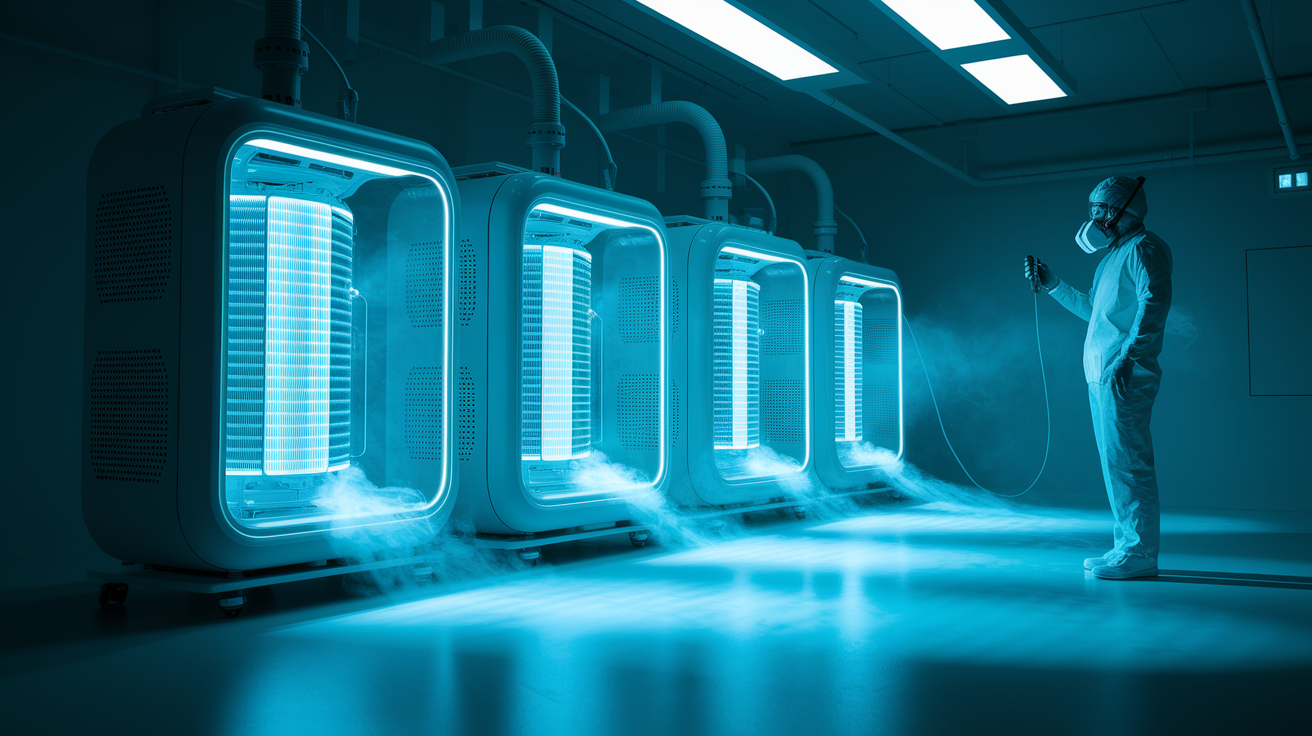
Contaminated water events including sewage cleanup, flood water intrusion, and backflow issues require professional sanitization and disinfection services beyond standard cleaning. So do fire and smoke damage situations where toxic particles settle throughout the property.
EPA registered disinfecting products prevent microbial growth after water damage, particularly for flood or sewer backup situations requiring biohazard cleanup protocols. These products are specifically formulated to kill bacteria, viruses, and pathogens that contaminated water introduces into your home. Regular household cleaners don’t provide the same level of sanitization needed after category 2 or category 3 water events. Professional grade disinfection ensures affected surfaces are truly safe.
Air quality restoration uses air filtration equipment with activated charcoal and HEPA filters to extract pollutants from indoor air. Air scrubbers pull contaminated air through multiple filtration stages, removing airborne contaminants released during fire, smoke events, or when disturbing mold growth during remediation. Air quality testing verifies safe conditions before re-occupancy, measuring particle counts and identifying remaining contaminants. Odor removal techniques address smoke odors and water related musty smells using specialized equipment like hydroxyl generators or ozone machines that break down odor molecules rather than just masking smells with fragrances.
Antimicrobial application includes EPA registered antimicrobial products applied to affected surfaces during mold remediation and treatment of contaminated materials after water damage. These products don’t just clean visible growth. They create hostile conditions that prevent future microbial growth in restored areas. Prevention protocols include addressing humidity levels, ensuring complete drying, and applying antimicrobial barriers to surfaces at high risk for future contamination.
Reconstruction Services and Complete Property Restoration

After emergency mitigation and cleanup stabilize the damage and remove contaminated materials, the reconstruction phase restores the property to pre-disaster condition through repairs and rebuilding.
Common reconstruction services include:
- Drywall repair and replacement for water or fire damaged walls and ceilings
- Insulation replacement in affected areas
- Hardwood floor restoration or replacement
- Carpet drying or replacement when padding is saturated
- Interior painting and finish work
- Trim, molding, and fixture reinstallation
Demo and debris removal happens first, with removal of unsalvageable materials like saturated drywall, carpeting, and carpet padding following local guidelines for proper disposal. Water damaged drywall typically requires removal at least 12 inches above the visible water line because wicking pulls moisture higher than you can see. Saturated insulation loses its R value and becomes a mold risk, requiring removal and replacement. This demo phase clears the way for proper drying and eventual reconstruction.
Renovation coordination and project management keep the restoration moving forward through material selections, subcontractor scheduling, and timeline management. Restoration companies work with you on material selections that match or improve pre-loss conditions, coordinate subcontractors for specialized work like electrical or HVAC repairs, maintain clean job sites with proper dust barriers and daily cleanup, provide regular timeline updates so you know what’s happening when, and conduct final walkthroughs to ensure the restoration meets quality standards and returns the home to pre-loss condition. The goal is putting your life back together, not just repairing the building.
Emergency Preparedness and Disaster Planning for Homeowners
Proactive emergency response plans and disaster preparedness help reduce restoration time and minimize damage when disasters occur, getting your life back to normal faster.
Here are preparedness actions to take before disaster strikes:
- Save emergency contact information for 24/7 restoration companies before disasters strike
- Know the location of water shut off valves, electrical panels, and gas shut offs
- Conduct preventive maintenance on plumbing, roofing, and appliances to identify potential failures
- Identify and repair structural and plumbing leaks before they cause water damage
- Install water detection devices near water heaters, washing machines, and sump pumps
- Review homeowner insurance coverage and understand deductible information
Post disaster actions matter just as much as preparation. Document damage immediately with photography from multiple angles showing the full extent of destruction. These photos become critical for insurance claims. Contact insurance carriers promptly to start the claims process before beginning major cleanup. Call certified restoration companies for immediate response rather than waiting to see if damage resolves on its own. Water damage and fire damage both worsen with time. Avoid attempting major cleanup without professional guidance to prevent health risks from contaminated materials and ensure proper documentation for insurance claims. Moving too quickly without documentation can actually hurt your claim by destroying evidence of the original damage extent.
Final Words
When property damage strikes, a quick call to a residential restoration emergency response team changes everything. From that first contact, you get certified technicians who arrive fast, assess the damage, stop it from spreading, and walk you through the whole recovery.
They handle the emergency mitigation, the cleanup, the insurance paperwork, and the rebuild, all under one roof.
You don’t need to track down separate contractors or figure out what happens next. You just need one steady team who’s seen it before and knows how to get your home back.
FAQ
What immediate actions should I take when disaster strikes my home?
When disaster strikes your home, you should immediately contact a 24/7 emergency restoration service, as every minute counts in preventing additional damage. Professional services dispatch certified technicians typically within 60-90 minutes to begin stabilization measures.
How quickly can emergency restoration services respond to my call?
Emergency restoration services typically respond to calls within 60-90 minutes, with certified technicians dispatched to your property during nights, weekends, and holidays. Rapid response helps stop damage progression and prevent secondary issues like mold growth.
What happens during the first emergency restoration visit?
During the first emergency restoration visit, technicians conduct a property safety assessment, implement immediate damage containment measures, document damage with photography for insurance, and explain the restoration process timeline. They also provide cost estimates and establish 24/7 contact availability.
What does the complete restoration process include from start to finish?
The complete restoration process includes emergency contact and dispatch, safety assessment and immediate mitigation, comprehensive damage evaluation, restoration plan development, cleanup and removal, drying and dehumidification, and complete reconstruction to pre-damage condition.
How do restoration companies handle water removal during emergencies?
Restoration companies handle water removal using powerful pumps, industrial wet/dry vacuums, portable extractors, and weighted extraction tools to prevent water absorption into structural materials. Immediate extraction during the first hour prevents damage escalation and mold development.
What emergency services protect my home after fire or storm damage?
Emergency services after fire or storm damage include board-up services for broken windows and doors using plywood and screws, roof tarping with heavy-duty tarps, and temporary covers to protect against weather intrusion and unauthorized entry until permanent repairs are completed.
What are the three categories of water damage and why do they matter?
The three categories of water damage are clean water (Category 1), gray water (Category 2), and black water (Category 3), classified by contamination level. Each category requires different safety protocols, cleanup procedures, and specialized equipment to ensure proper restoration.
How is sewage backup different from regular water damage?
Sewage backup is Category 3 black water requiring biohazard cleanup, EPA-registered disinfecting products, complete removal of porous materials like carpet and drywall, and specialized sanitization to protect against health risks from contaminated water.
Why must soot be removed quickly after fire damage?
Soot must be removed quickly after fire damage because it contains corrosive elements that can permanently damage or discolor materials if not addressed promptly. HEPA filter vacuums, air scrubbers, and specialized chemicals are used for proper removal.
How do restoration companies handle both fire and water damage together?
Restoration companies handle both fire and water damage together through dual remediation approaches, addressing water damage from firefighting efforts while simultaneously treating smoke damage, soot contamination, and fire extinguisher residue with specialized equipment and techniques.
What are content packout services during fire damage restoration?
Content packout services involve professional cleaning of salvageable items using specialized equipment and storing cleaned contents away from damaged areas during structural restoration. This protects belongings and allows access for reconstruction work.
How do restoration companies help with insurance claims?
Restoration companies help with insurance claims through thorough documentation photography, detailed written records of damaged items, direct communication with insurance carriers, cost estimation for adjusters, and direct billing options to expedite reimbursements.
What does IICRC certification mean for restoration technicians?
IICRC certification means restoration technicians have trained expertise in moisture detection, structural drying standards, proper safety protocols, contamination handling, and health risk management following industry-recognized standards for water, fire, and mold restoration.
When is my home safe to re-occupy after disaster damage?
Your home is safe to re-occupy after disaster damage when restoration professionals determine air quality is acceptable, mold presence is eliminated, electrical systems are safety-cleared, and HVAC equipment is inspected and approved for use.
What emergency services protect my home during storms?
Emergency services during storms include roof tarping with heavy-duty tarps to prevent water intrusion, emergency board-up services for broken windows, temporary structural support for tree damage, and 24/7 availability to secure properties against ongoing weather exposure.
Why are EPA-registered products important in emergency cleanup?
EPA-registered products are important in emergency cleanup because they effectively prevent microbial growth after water damage, properly sanitize contaminated water situations, and meet safety standards for protecting occupant health during flood or sewage backup restoration.
What air quality services are included in emergency restoration?
Air quality services in emergency restoration include air filtration equipment with activated charcoal and HEPA filters, air scrubbers for removing airborne contaminants, air quality testing to verify safe conditions, and odor removal for smoke and water-related smells.
What happens during the reconstruction phase of restoration?
During the reconstruction phase of restoration, contractors replace drywall and insulation, restore or replace flooring, complete interior painting, reinstall trim and fixtures, and coordinate material selections to return the property to pre-disaster condition.
How should I prepare for potential home disasters before they happen?
You should prepare for potential home disasters by saving emergency contact information for restoration companies, knowing location of shut-off valves, conducting preventive maintenance, identifying plumbing leaks early, and installing water detection devices near appliances.
What should I document immediately after discovering property damage?
You should immediately document property damage with photography, contact your insurance carrier promptly, call certified restoration companies for immediate response, and avoid major cleanup attempts without professional guidance to ensure proper documentation for claims.
