
Here’s your intro paragraph:
Most homeowners discover their insurance coverage limits when it’s already too late. You’re staring at smoke damage or standing water, calling your insurance company for the first time in years, and realizing you don’t actually know what’s covered or how the claim process works. The good news is that understanding a few core concepts about residential restoration insurance claims can save you thousands of dollars and weeks of unnecessary stress. This guide walks through exactly what to do after damage hits, how to document everything properly, what your policy actually covers, and how to work with adjusters and contractors so your claim moves smoothly from disaster to recovery.
Immediate Actions to Take After Property Damage Occurs

When disaster hits, what you do in the first few minutes and hours directly impacts your safety and whether your insurance claim goes smoothly or turns into a nightmare.
Here’s what you need to do right away:
• Get everyone out of the affected area, including pets
• Shut off the water at the source or main valve if you’re dealing with water damage
• Move valuables, important documents, and electronics away from damaged areas
• Board up broken windows and doors to keep weather and intruders out
• Remove standing water if you can do it safely without electrical hazards
• Start drying wet areas with fans, dehumidifiers, or open windows when it makes sense
• Take photos and videos of everything from different angles before you touch anything
• Call your insurance company immediately to report what happened and get instructions
Emergency mitigation service can be the difference between a manageable claim and a total disaster. Professionals show up within hours to board exposed walls, drain flooded basements, tarp damaged roofs, or contain smoke and soot before it spreads everywhere. This immediate action stops secondary damage that your insurer won’t cover if you wait too long. Water damage is the second most common reason people file home insurance claims, right behind wind and hail damage, according to the Insurance Information Institute. Adjusters see this stuff constantly. They know exactly what proper response looks like.
The insurance claim process breaks down into five main steps:
- Call your insurance company to report damage and open a claim
- Contact a restoration contractor for emergency work and written estimates
- Get approval on the scope of work and costs from your insurance provider
- Complete the restoration according to the approved plan
- Process final paperwork like invoices, receipts, and completion certificates
After you file, expect contact from your insurance company within a couple days. They’ll walk through their process and tell you what documentation they need. The back and forth between your restoration company and insurance provider typically takes one to five days, though revisions based on newly discovered damage can stretch this timeline. During this period, adjusters review the contractor’s assessment, compare it against their findings, and work toward agreement on what repairs are actually necessary and reasonable.
Complete Documentation and Evidence Requirements

Thorough documentation is the foundation of every successful restoration claim. It turns what could be a disputed mess into straightforward reimbursement.
Your claim needs these specific elements and key terms:
• Date and exact location of damage within your property
• Complete contact information for all property owners on the policy
• Written cleanup and remediation estimates from licensed contractors
• Itemized receipts for all cleanup, mitigation, and repair work
• Receipts for temporary lodging, meals, and other expenses if you couldn’t stay home
• Complete list of damaged personal property with descriptions and estimated values
• Photos showing damage from multiple angles and distances
• Video walkthroughs showing the full extent of affected areas
• All written records of damage progression and mitigation efforts you took
• Proof of Loss form documenting total claim amount and damage details
• Scope of Work document outlining all planned repairs and restoration activities
• Deductible amount calculation showing your out of pocket responsibility
Creating an Excel spreadsheet listing all household items with estimated values speeds things up significantly. Include columns for item description, purchase date, original cost, estimated current value, and whether the item was damaged or destroyed. A video walkthrough of your home uploaded to cloud storage before any damage occurs gives you proof of what things looked like and what you owned. Walk slowly through each room, open closets and cabinets, and narrate what you’re showing. “This is the master bedroom with hardwood floors installed in 2018, queen bed from Ashley Furniture, two nightstands, dresser, and the ceiling fan we added last year.”
Understanding key documentation terms prevents confusion during the claims process. Proof of Loss is a formal, sworn statement you submit to your insurance company documenting the amount you’re claiming for damaged property. The Scope of Work details every specific repair task the restoration contractor will perform, from demolition through final finishes. Your Deductible is the amount you pay out of pocket before insurance coverage begins. If you’ve got a $2,500 deductible on a $15,000 claim, you pay $2,500 and insurance covers the remaining $12,500.
Don’t throw away damaged items until you get written authorization from the insurance company. Adjusters need to analyze evidence during their inspection to verify your claim. Tossing items before they’re documented means you probably won’t get compensated for those losses, no matter how obviously damaged they look.
Keep all documentation organized in both physical and digital formats. Create a dedicated folder for claim paperwork, scan everything, and back up digital files to cloud storage. This redundancy protects you if documents get lost and makes it easy to provide copies when insurance reps ask for them.
Understanding Policy Coverage and Exclusions for Restoration Claims

The declarations page of your insurance policy contains the essential information you need right now. Coverage details, deductibles, limitations, exclusions, and claim filing deadlines. Read it carefully before you need it, and review it immediately after damage occurs.
Standard homeowners insurance typically covers sudden and accidental damage events. Burst pipes that flood your basement at 2 a.m., a storm that tears shingles off your roof and lets rain pour into your attic, fire damage from a kitchen accident, or vandalism that breaks windows and damages interior spaces. These sudden, unexpected events fall squarely within normal policy coverage, assuming you maintained your home reasonably well. The key word is “sudden.” Damage that happens quickly and unexpectedly rather than gradually over time.
Policy exclusions typically include damage from poor maintenance, gradual deterioration, and specific perils your policy doesn’t cover. Leaks from neglected plumbing that you should have repaired months ago won’t be covered. Groundwater seepage into your basement through cracks you’ve ignored for years is excluded. Standard homeowners policies don’t cover flood damage at all. Water that enters your home from outside sources like overflowing rivers, heavy rain accumulation, or storm surge requires separate flood insurance. If you live in a flood prone area, that separate policy isn’t optional. These areas have a one in four chance of flooding over the course of a 30 year mortgage period, making flood insurance as critical as your primary homeowners coverage.
Understanding coverage limits before damage occurs helps you avoid nasty surprises when you file a claim. Your policy lists dollar limits for different types of property and damage scenarios. If your jewelry coverage caps at $5,000 but you own $15,000 in jewelry, you’ll need additional coverage. Review these limits annually and adjust them as your property value and belongings change.
Working with Insurance Professionals Throughout Your Claim

Three different types of professionals handle various aspects of your restoration claim. Insurance agents who sell and service policies, adjusters who evaluate damage and determine coverage, and restoration contractors who perform the actual repair work.
Maintain detailed logs of every conversation with insurance company representatives. Record the date, time, representative’s full name, their role or department, and a summary of what was discussed and decided. Keep copies of all written and digital communications including emails, text messages, claim letters, and formal notices. This documentation protects you if disputes arise about what was said, promised, or agreed upon. Maintaining organized spreadsheets, being present during insurance adjuster evaluations, and advocating professionally for yourself improves claim outcomes measurably.
Follow these practices when working with insurance professionals:
• Document every conversation with date, time, name, and summary details
• Be present for all adjuster site visits and inspections of your property
• Maintain professional, calm communication even when you’re frustrated or stressed
• Keep detailed logs in both digital and physical formats
• Save all emails, texts, letters, and formal communications permanently
• Ask clarifying questions whenever decisions or explanations seem unclear
• Verify contractor licensing, insurance, and experience before hiring
• Obtain multiple written estimates at each stage of the restoration process
Don’t use restoration companies just because they appear on your insurance company’s vendor list. Research independently to find experienced, reliable contractors who work for you, not the insurance company. Contractors working directly with adjusters may have arrangements that don’t represent your best interests. Search for companies with strong local reputations, proper licensing and insurance, experience with your specific damage type, and a track record of completing projects on time and within budget.
For water damage restoration work, look for contractors certified in water extraction, structural drying, and mold prevention. They should understand moisture detection technology and possess commercial grade drying equipment. Learn more about selecting qualified professionals at Water Damage and Flooding Cleanup.
Fire damage requires different expertise. Contractors should demonstrate experience with smoke odor removal, soot cleanup, structural assessment after fire exposure, and rebuilding fire damaged structures to code. Find detailed guidance on choosing the right team at Fire and Smoke Damage Restoration.
The six step filing process requires obtaining written estimates at multiple stages. Initial damage assessment, emergency mitigation work, planned repairs, and final restoration. Each estimate documents the scope of work and associated costs for that phase. This staged approach allows insurance companies to review and approve work incrementally rather than committing to a massive unknown total upfront. It also gives you clear documentation if disputes arise about what was originally agreed upon versus what actually needed to be done.
Communication expectations matter for both adjusters and contractors. Adjusters typically respond to emails and calls within one to two business days during active claims. Contractors should provide daily or every other day updates during active work periods and respond to questions within a few hours during business hours. If either falls silent for extended periods, follow up directly and document the communication gap.
Creating Accurate Repair Estimates and Understanding Costs

Detailed repair estimates prevent disputes, establish clear expectations, and provide the documentation your insurance company requires to approve and pay your claim.
Restoration estimates typically use industry standard software like Xactimate, which contains current pricing data for materials and labor in your specific geographic area. These estimates break down every aspect of the repair project into individual line items, making it easy to see exactly what you’re paying for and what insurance should cover. Line items specify quantities, unit costs, and extended totals for materials like drywall sheets, paint gallons, flooring square footage, and trim linear footage. Labor rates appear as separate line items showing hours required and hourly rates for different trades.
The proposal and estimate negotiation stage between the restoration company and insurance provider typically takes one to five days. During this period, the contractor’s estimate and the adjuster’s assessment are compared line by line. Discrepancies get discussed and resolved. The insurance company may question certain line items or pricing, requesting justification or alternate approaches. Proposal revisions may occur multiple times as new information surfaces, potentially taking days or weeks before final approval. This back and forth is normal and expected, not a sign that something’s wrong with your claim.
| Estimate Component | Description |
|---|---|
| Emergency Mitigation | Immediate services to prevent further damage like water extraction, board up, tarping, initial drying |
| Water Extraction | Complete removal of standing water using pumps and extraction equipment |
| Demolition | Removal and disposal of damaged materials like drywall, flooring, cabinets, trim |
| Materials | All replacement materials specified by type, grade, quantity, and unit cost |
| Labor | Work hours for each trade like carpenters, plumbers, electricians, painters at specified rates |
| Overhead and Profit | Contractor’s business costs and reasonable profit margin, typically 10% overhead and 10% profit |
| Total Cost | Sum of all line items representing the complete project cost |
You must pay the insurance deductible directly to the restoration contractor before actual restoration work begins on the property. This payment happens after emergency mitigation is complete and after the full restoration scope and estimate are approved, but before demolition and rebuilding start. The contractor typically requests the deductible payment along with a small deposit or first progress payment to begin ordering materials and scheduling work.
Complete Timeline Expectations for Restoration Claims

The entire restoration process from emergency mitigation through final completion can span several weeks to months depending on damage extent and discovery of additional issues.
| Phase | Typical Timeline |
|---|---|
| Emergency Response | Within hours of your call with same day service available 24/7/365 |
| Insurance Notification | Immediately or within 24 hours of discovering damage |
| Initial Contact from Insurer | Within a couple of days, with process details and documentation requirements |
| Estimate Approval | One to five days for straightforward claims, potentially weeks with revisions |
| Permit Acquisition | Up to 30 days or more depending on local jurisdiction and project scope |
| Restoration Work | One week to several months based on damage extent and complexity |
| Final Inspection | One to two weeks after work completion for building department and insurance approval |
Supplemental work becomes necessary when contractors discover damages more extensive than originally believed during the restoration process. Imagine the initial assessment shows water damage to your kitchen floor and the bottom foot of drywall. Once demolition begins, workers find that moisture wicked two feet up inside the walls, saturating insulation and creating conditions for mold growth. That hidden damage wasn’t visible during the initial inspection but requires additional work to properly remediate. The contractor documents the newly discovered damage with photos, creates a supplemental estimate for the additional scope, and submits it to your insurance company for approval.
Several factors extend restoration timelines beyond initial estimates. Securing necessary permits from your local building department can take up to 30 days or more before work begins, particularly for major structural repairs. Material availability affects schedules. Specialty items may require ordering and shipping time. Worker scheduling depends on contractor availability and the complexity of coordinating multiple trades. Supplements add at least one month to the overall repair timeline due to the additional paperwork cycle, approval process, and preparation required before addressing newly discovered issues.
The approval process for supplemental work mirrors the initial estimate approval. The contractor documents the additional damage, explains why it wasn’t visible initially, and provides a detailed estimate for the extra scope. The insurance adjuster reviews the supplement, may schedule a reinspection to verify the findings, and approves or negotiates the additional work. This process typically takes a few days to a couple of weeks. Proposal revisions may occur multiple times as new information surfaces, potentially taking days or weeks before final approval.
Maintain regular communication with both your contractor and insurance company throughout the restoration timeline. Weekly check ins during active work periods keep you informed about progress, upcoming phases, and any issues that arise. If your project seems stalled, contact your contractor to understand what’s causing the delay. Permits pending, materials on backorder, weather conditions, or scheduling conflicts. Similarly, if your insurance company goes silent during the approval process, follow up to check on the status and ask if they need additional information from you.
Common Reasons for Claim Denial and How to Avoid Them
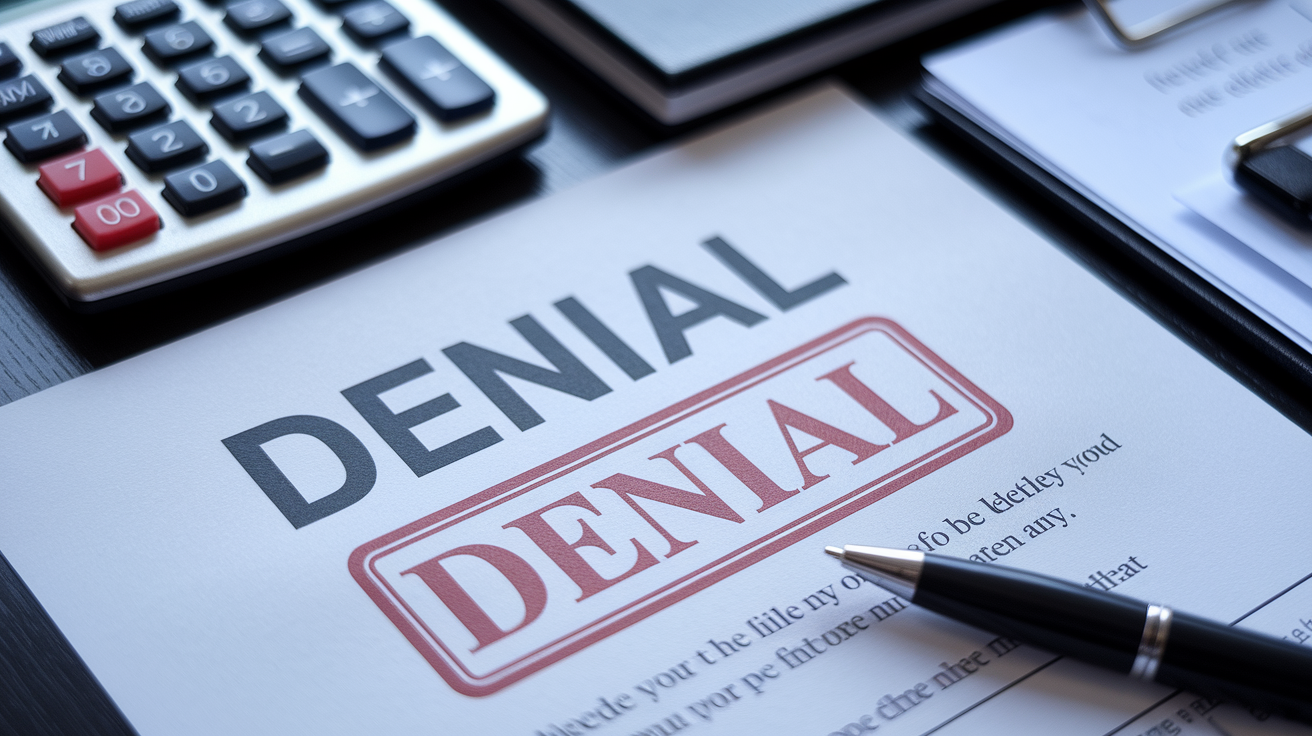
Insurance companies deny a significant percentage of restoration claims, creating financial stress and forcing homeowners to pay out of pocket for repairs they believed were covered.
The eight most common denial reasons include:
- Failure to properly maintain your property before damage occurred
- Policy exclusions that specifically don’t cover the type of damage you experienced
- Unapproved repairs started before receiving insurance company authorization
- Pre-existing damage that existed before the event that triggered your claim
- Lack of documentation proving the damage occurred and the extent of loss
- Poor maintenance issues that allowed gradual damage rather than sudden events
- Flood damage when you don’t have separate flood insurance coverage
- Coverage gaps where your policy limits or additional coverage needs weren’t adequate
Don’t begin repairs before receiving prior approval from your insurance company. Starting work without authorization risks having those repairs denied coverage, even when the underlying damage is clearly covered and extensive. Insurance companies require the opportunity to inspect and document damage before it’s altered. If you begin ripping out wet drywall before the adjuster sees it, they may deny your claim for lack of evidence. In genuine emergency situations where immediate action prevents further damage, like tarping a roof during ongoing rain or extracting water from a flooded basement, photograph everything thoroughly before and during the work, and notify your insurance company immediately about the emergency mitigation performed.
Never throw away damaged items until receiving written authorization from the insurance company. Adjusters need to analyze evidence during their inspection to verify your claim and assess whether items can be restored or must be replaced. That soggy couch might look like obvious trash to you, but the insurance company needs to see it, document it, and make their own determination before you haul it to the curb. Discarding items prematurely gives insurers legitimate grounds to deny those portions of your claim since they can’t verify the damage you reported.
If your claim gets denied, don’t accept it as final without understanding your options. Request a detailed written explanation of the denial reasons. Review your policy carefully to confirm whether the denial is legitimate based on your coverage. If the denial cites alleged failure to maintain or mitigate damages, gather and provide evidence including maintenance receipts and communications that support your position. Request a review or second opinion from another adjuster or supervisor within the insurance company.
Dispute Resolution and Claim Appeal Options for Denied Claims

Claim denials can be challenged through several formal and informal processes designed to resolve disagreements between homeowners and insurance companies.
Start with the internal appeal process through your insurance company. Contact your claims representative or their supervisor and request a formal review of the denial decision. Explain clearly and calmly why you believe the denial is incorrect, referencing specific policy language that supports your position. Provide additional documentation, photos, expert opinions, or evidence that addresses the stated denial reasons. Ask insurance agents or licensed professionals for reviews if you’re confused about coverage denials or suspect misunderstandings about what happened or what your policy covers.
Six dispute resolution options available to you:
• Internal review and appeal through your insurance company’s process
• Second opinion from another adjuster or supervisor within the company
• Provide additional evidence including receipts, photos, expert reports, and maintenance records
• Hire a public adjuster to represent your interests and negotiate with the insurance company
• Invoke your policy’s appraisal clause to resolve disputes over damage value
• Consult with an insurance attorney if you suspect bad faith or unfair claim handling
Public adjusters work for you, not the insurance company, to evaluate damage, document losses, and negotiate claim settlements. They typically charge a percentage of your final settlement, usually 10 to 15 percent, but their expertise often results in significantly higher payouts that more than offset their fees. Consider hiring a public adjuster when your claim is complex, involves extensive damage, was denied or underpaid, or when you don’t have time to manage the claim process yourself due to work or personal obligations.
The appraisal clause in most homeowners policies provides a formal mechanism for resolving disputes over the amount of loss when you and your insurance company can’t agree on damage value. Each party hires an appraiser, those two appraisers select a neutral umpire, and this panel determines the actual loss amount. This process is less expensive and faster than litigation while still providing an independent evaluation.
Legal assistance becomes necessary when insurance companies engage in bad faith practices. Unreasonable claim delays, improper denial of valid claims, failure to investigate thoroughly, lowball settlement offers, or refusal to communicate. Insurance attorneys typically work on contingency, meaning they only get paid if they recover money for you. Consult with an attorney if your insurance company refuses to respond to communications, denies your claim without proper investigation, or offers settlements far below obvious damage values.
Request formal written decisions for every denial, approval, or settlement offer. Verbal explanations don’t provide the documentation you need if disputes escalate. Written decisions outline specific reasons, reference policy language, and create a record you can use for appeals or legal action if necessary.
Replacement Cost vs. Actual Cash Value in Restoration Payments

Your policy type determines whether insurance pays to replace damaged items with new equivalents or only reimburses their depreciated value at the time of loss.
Replacement Cost coverage pays the amount needed to replace or repair damaged property with new items of like kind and quality, without deducting for depreciation. If your five year old roof is destroyed in a storm, replacement cost coverage pays to install a new roof of comparable materials and quality. You receive enough money to actually replace what you lost, making you whole again.
Actual Cash Value (ACV) coverage pays the replacement cost minus depreciation based on the item’s age and condition. Using the same roof example, if your shingles had a 20 year life expectancy and were five years old when damaged, ACV coverage pays only 75 percent of replacement cost (15 years of useful life remaining out of 20 total). You’re left covering the 25 percent depreciation out of pocket. For a $15,000 roof replacement, ACV pays $11,250 and you pay $3,750 plus your deductible.
Depreciation recovery under replacement cost policies works through a two payment process. First, the insurance company pays you the actual cash value of damaged items. After you complete repairs or replacements and submit receipts proving you spent the money on restoration, they release the depreciation holdback. This recoverable depreciation represents the difference between ACV and full replacement cost. The system prevents homeowners from pocketing insurance money without actually restoring their property.
| Coverage Type | What It Pays | Example |
|---|---|---|
| Replacement Cost | Full cost to replace with new items of like kind and quality, no depreciation deduction | $10,000 hardwood floor destroyed → Insurance pays $10,000 to install new comparable floor |
| Actual Cash Value | Replacement cost minus depreciation based on age and condition | $10,000 hardwood floor, 8 years old, 50% depreciated → Insurance pays $5,000, you pay $5,000 |
Understanding your policy type before damage occurs prevents financial surprises when you file a claim. Replacement cost policies cost more in premiums but provide significantly better protection when disaster strikes. Actual cash value policies save money on premiums but can leave you paying substantial out of pocket costs to fully restore your home after major damage. Review your declarations page or contact your insurance agent to confirm which type of coverage you have, and consider upgrading to replacement cost if you currently have ACV coverage.
Additional Living Expenses and Temporary Housing Coverage

Additional Living Expenses (ALE) coverage, also called Loss of Use coverage, reimburses you for costs incurred when damage makes your home uninhabitable during restoration work.
ALE typically covers temporary housing expenses like hotel rooms or short term apartment rentals while your home is being repaired. It covers the difference between your normal living expenses and the additional costs required to maintain your household elsewhere. For example, if you normally spend $400 per week on groceries and restaurant meals but your temporary situation increases that to $600 per week, ALE covers the $200 difference. Coverage extends to hotel or rental costs, increased food expenses, laundry and cleaning costs if you don’t have access to your washer and dryer, storage fees for furniture and belongings removed from your home, and pet boarding if your temporary housing doesn’t allow animals.
Documentation requirements for ALE reimbursement include receipts for all temporary lodging, itemized receipts for meals and groceries, receipts for storage unit rental and moving costs, and receipts for any other displacement related expenses. Keep everything organized in a dedicated folder and submit expenses regularly throughout your displacement period rather than waiting until the end. Regular submissions speed up reimbursement and help you identify any coverage issues before costs accumulate.
Coverage limits and time restrictions vary by policy but typically range from 12 to 24 months of coverage at 20 to 30 percent of your dwelling coverage amount. If your home is insured for $300,000 with 20 percent ALE coverage, you have up to $60,000 available for additional living expenses. Time limits establish a maximum period for coverage regardless of whether you’ve reached the dollar limit. Review your specific policy limits so you understand how long you can expect coverage if your home requires extensive repairs.
Submit receipts promptly, ideally weekly or biweekly during your displacement. Don’t wait months to submit a pile of receipts. Regular submissions help insurance companies process payments efficiently and alert you quickly if any expenses fall outside coverage guidelines. If your temporary living situation will extend beyond a few weeks, ask your adjuster whether they require periodic updates or documentation of restoration progress to continue ALE payments.
Special Considerations for Different Types of Property Damage
Different damage types require specific claim approaches, documentation methods, and restoration expertise to maximize coverage and ensure proper repairs.
Water and Flood Damage Claims
Water damage falls into two distinct categories with dramatically different insurance implications. Clean water damage from burst pipes, supply line failures, appliance malfunctions, or roof leaks typically enjoys full coverage under standard homeowners insurance. This is the second most common reason people file home insurance claims, right behind wind and hail damage. Adjusters see these claims constantly and have established protocols for evaluation and approval.
Flood damage means water entering your home from outside sources. Overflowing rivers, heavy rain accumulation, storm surge, or groundwater seepage. Standard homeowners insurance doesn’t cover flood damage at all. You need separate flood insurance through the National Flood Insurance Program or private insurers. This distinction creates enormous confusion for homeowners who discover after the fact that their water damage isn’t covered because it meets the policy definition of flooding.
Professional water mitigation companies prevent further damage through immediate response services including standing water removal using truck mounted extractors, emergency roof tarping to stop ongoing water intrusion, complete water extraction and structural drying with commercial dehumidifiers and air movers, pack out services to remove and store contents in climate controlled facilities, emergency board up to secure openings, and full mold remediation if growth develops during the drying period.
Fire and Smoke Damage Claims
Fire damage claims require meticulous documentation of both visible destruction and hidden damage from heat, smoke, and firefighting efforts. Photograph charred materials, melted items, and structural damage from multiple angles. Document smoke and soot patterns throughout your home, including areas that didn’t burn but were affected by smoke migration. Water damage from firefighting efforts gets included in your fire claim since it resulted directly from the fire event.
Smoke odor issues often persist long after visible damage is cleaned up. Soot particles penetrate porous materials like drywall, insulation, wood, and fabrics, creating lingering smells that require specialized cleaning or replacement. Document odor problems thoroughly and request professional odor assessment and remediation in your restoration plan. Smoke damage extends far beyond the room where fire occurred.
Statistics reveal that 50 percent of residential fires are caused by cooking incidents, 23 percent by heating equipment malfunctions or misuse, 13 percent by electrical system failures or wiring issues, and 8 percent by carelessness including smoking materials and candles. Understanding fire causes helps adjusters evaluate whether your claim involves covered perils or potential exclusions.
Storm and Wind Damage Claims
Storm damage claims require distinguishing between wind damage, which homeowners insurance covers, and flood damage, which it doesn’t. Wind tears shingles off your roof, breaks windows, knocks down trees onto your house, and allows rain to enter through damaged openings. This wind driven rain damage is covered because wind caused the openings. But if rain simply accumulates and enters through ground level openings or overwhelms your gutters and drainage, that’s flood damage.
Emergency boarding services secure broken windows, damaged doors, and roof openings to prevent weather exposure and unauthorized entry after storm damage. Insurance companies expect immediate action to prevent further damage, and emergency boarding qualifies as covered mitigation work even before your claim is fully approved.
Roof damage procedures start with emergency tarping to stop ongoing water intrusion, followed by thorough inspection to document all damage including missing shingles, damaged flashing, compromised underlayment, and any structural issues. Many homeowners only notice obvious damage like missing shingles but don’t realize that high winds can compromise roof integrity without creating visible holes. Professional inspections using moisture meters and infrared cameras detect hidden damage that protects your claim from future disputes.
Preventive Measures to Protect Your Home and Future Claims
Prevention costs far less than claims, both in money and in the stress and disruption that property damage creates for your family.
Implement these preventive maintenance actions:
• Schedule professional home inspections every three to five years to identify problems early
• Maintain detailed logs of all home repairs, upgrades, and maintenance with dates and costs
• Create pre-loss documentation with photos, videos, and spreadsheets of home contents and conditions
• Review insurance policies annually to ensure coverage keeps pace with home value and replacement costs
• Ensure adequate policy coverage for dwelling, contents, and liability based on current values
• Understand policy exclusions thoroughly so you know what additional coverage you need
• Hire professionals for annual assessments of major systems like HVAC, plumbing, electrical, roofing
• Keep organized files of all repair records, contractor invoices, and maintenance receipts
Pre-documenting home contents significantly speeds up claims processing after damage occurs. Create that Excel spreadsheet listing all household items with estimated values now, while your home is intact and your memory is fresh. Walk through each room and list furniture, electronics, appliances, clothing, tools, sporting goods, kitchenware, and decorative items. Estimate original purchase prices and current replacement values. This spreadsheet becomes invaluable evidence when you’re filing a claim and trying to remember everything you owned.
Video walkthroughs provide visual proof of your home’s pre-loss condition and contents. Use your smartphone to slowly walk through every room, opening closets, cabinets, and drawers. Narrate what you’re showing. “This is the guest bedroom with the oak dresser we bought in 2019, the queen bed from Ashley Furniture, two nightstands, and the ceiling fan installed last summer.” Upload the video to cloud storage where it’s protected from damage to your physical devices. Update this video annually or after major purchases or renovations.
Maintaining repair records proves you properly maintained your home, protecting you from denials based on poor upkeep. Keep receipts showing you replaced the water heater, repaired roof leaks, serviced the HVAC system, upgraded old plumbing, or fixed electrical issues. These records demonstrate reasonable homeowner diligence when adjusters investigate whether damage resulted from sudden events or gradual deterioration due to poor maintenance.
Annual policy reviews ensure your coverage keeps pace with changes in your home’s value, your belongings, and your risk exposure. Home values increase over time. You acquire more valuable possessions. Building costs rise due to inflation and material prices. If your policy limits haven’t increased accordingly, you’re underinsured. Schedule a yearly conversation with your insurance agent to review dwelling coverage limits, contents coverage, liability limits, deductible amounts, and any exclusions or coverage gaps that concern you. Make adjustments before damage occurs, not after when it’s too late to increase coverage.
Final Words
The residential restoration insurance claims process doesn’t have to feel overwhelming when you know what steps to take and what to expect.
Document everything from the first moment. Stop damage from spreading. Work with professionals who understand the insurance side. Keep detailed records of every conversation and receipt.
Most claims move forward when homeowners stay organized, communicate clearly, and understand their coverage before problems happen.
Your policy is there to help restore your home. Taking the right steps from day one makes that process smoother and gets you back to normal life faster.
FAQ
Will homeowner insurance pay for restoration?
Homeowner insurance will pay for restoration if the damage results from a covered event like a burst pipe or storm, not from neglect or maintenance issues. Coverage depends on your specific policy terms, exclusions, and whether you obtain approval before starting repairs.
What’s the difference between restoration and remediation?
The difference between restoration and remediation is that remediation addresses immediate hazards like water extraction or mold removal to stop further damage, while restoration rebuilds and repairs your home back to its pre-damaged condition. Most restoration projects include both remediation and reconstruction phases.
What not to say to an insurance claims adjuster?
When talking to an insurance claims adjuster, don’t speculate about damage causes, admit fault, or agree to settlements before reviewing estimates with your contractor. Stick to factual descriptions of what happened, provide documented evidence, and avoid casual statements that could be misinterpreted as negligence.
What is the 80% rule in property insurance?
The 80% rule in property insurance means you must insure your home for at least 80% of its replacement value to receive full coverage for partial losses. If you’re underinsured below this threshold, the insurance company will only pay a proportional amount of your claim based on your coverage percentage.
How long does the restoration claims process take?
The restoration claims process typically takes several weeks to months from emergency mitigation through final completion, depending on damage extent. Emergency response happens within hours, insurance contact within a couple of days, estimate approval one to five days, and permits can take up to 30 days before restoration work begins.
When do I pay my deductible to the restoration contractor?
You pay your insurance deductible directly to the restoration contractor before actual restoration work begins on the property. This payment is separate from what the insurance company pays and must be settled upfront according to standard insurance claim procedures.
Can I choose my own restoration contractor?
You can choose your own restoration contractor instead of using your insurance company’s vendor list. Research independently to find experienced, reliable contractors, as those working directly with adjusters may have deals not representing your best interests or your specific restoration needs.
What happens if workers discover more damage during restoration?
When workers discover more damage during restoration, they file a supplemental claim documenting the newly found issues with photos and revised estimates. Supplemental work approval adds at least one month to the overall repair timeline and may require multiple proposal revisions before final approval.
Should I throw away damaged items before the adjuster arrives?
You should never throw away damaged items until receiving written authorization from the insurance company, as they need to analyze evidence during inspection. Discarding items early may result in not receiving compensation for those damaged belongings, even if they were clearly destroyed.
What documentation do I need to file a restoration claim?
Documentation needed to file a restoration claim includes photos and videos of all damage, receipts for cleanup and repairs, damaged items inventory, temporary lodging receipts if displaced, and contact information. Keep detailed logs of all insurance conversations including dates, times, representative names, and conversation summaries.
Does homeowners insurance cover flood damage?
Homeowners insurance typically does not cover flood damage under standard policies. You need separate flood insurance, which is especially important for flood-prone areas that have a one in four chance of flooding over a 30-year mortgage period.
What is a Proof of Loss in insurance claims?
A Proof of Loss in insurance claims is a formal sworn statement documenting your damaged property, the amount of loss, and your claim for compensation. This document becomes part of your official claim file and typically must be submitted within a specific timeframe outlined in your policy.
How do I appeal a denied restoration claim?
To appeal a denied restoration claim, request an internal review and provide supporting evidence including receipts and communications that counter the denial reason. Ask for formal written decisions, consider hiring a public adjuster for complex disputes, and request clarification about who issued the decision and why.
What is replacement cost coverage versus actual cash value?
Replacement cost coverage pays to rebuild or replace damaged items at current prices without deducting for depreciation, while actual cash value pays the depreciated value based on age and wear. Replacement cost policies typically pay an initial amount, then the remaining depreciation after you complete repairs.
Are upgrades and improvements covered by insurance?
Upgrades and improvements are not covered by insurance, which only pays for like kind and quality restoration to your home’s pre-damaged condition. You must pay separately for any enhancements beyond the original materials or finishes, such as upgrading from standard to premium flooring.
What are Additional Living Expenses in homeowners insurance?
Additional Living Expenses (ALE) in homeowners insurance cover temporary housing, meals, and other costs when your home is uninhabitable during restoration. Keep all receipts for lodging and meals to submit for reimbursement, and check your policy for coverage limits and time restrictions.
Can poor maintenance cause my claim to be denied?
Poor maintenance can cause your claim to be denied if the insurance company determines the damage resulted from neglect rather than a sudden covered event. Keep logs of all home repairs and maintenance to demonstrate responsible upkeep if you need to dispute a negligence-based denial.
How do I document my home contents before damage occurs?
Document your home contents before damage occurs by creating an Excel spreadsheet listing all household items with estimated values and recording a video walkthrough of your home. Upload this documentation to cloud storage so it’s accessible if your home becomes damaged or inaccessible.
