
When water’s dripping through your ceiling at 2 AM or you’re staring at fire damage in your kitchen, you need help now, not tomorrow. Residential restoration services exist for exactly these moments. They show up fast, stop the damage from spreading, and handle everything from emergency cleanup through final repairs so you don’t end up coordinating five different contractors while your home sits in chaos. One team, one plan, and your house gets back to normal without you managing the whole disaster yourself.
Emergency Contact and Response Availability
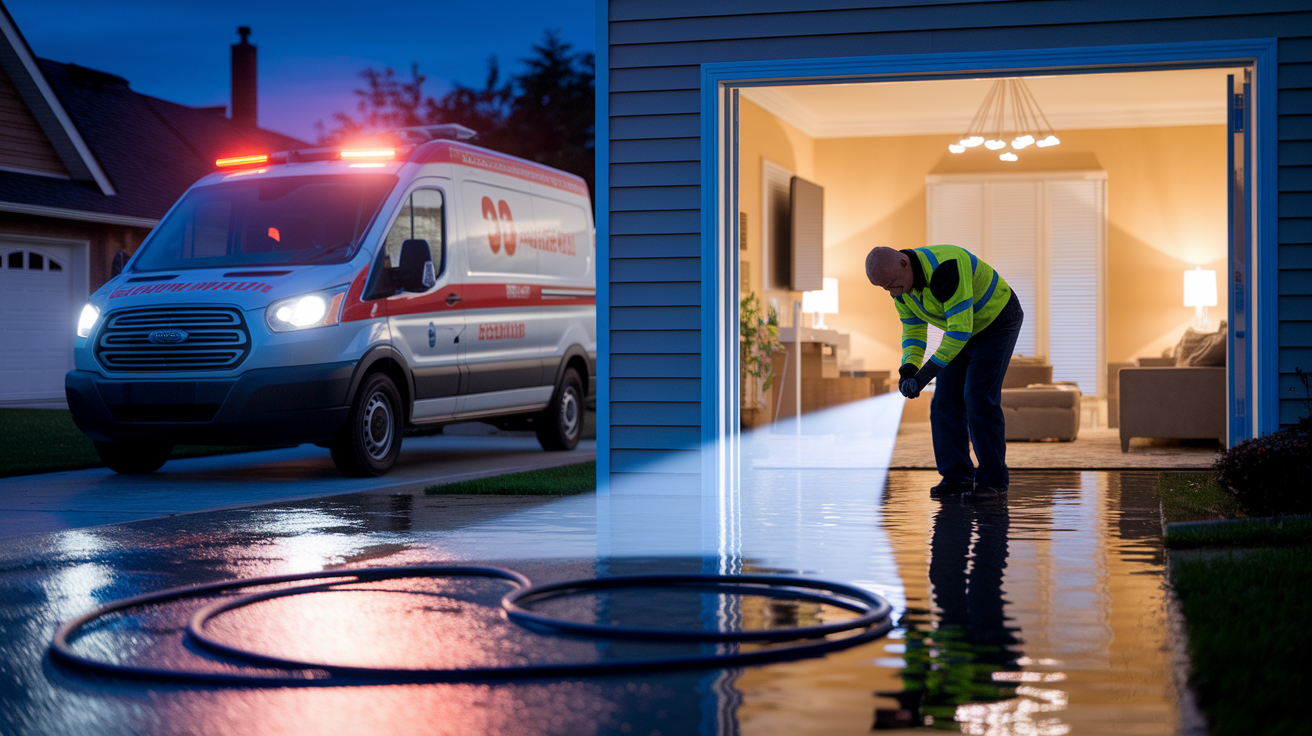
When disaster hits your home, every minute counts. Property damage needs immediate professional attention to keep things from getting worse and more expensive.
Emergency Response Information:
- Availability: 24/7/365 emergency service
- Response Time: On site within 60 minutes for local providers
- Coverage: National franchise networks with local response teams across the U.S. and Canada
- Immediate Services Offered: Water extraction, fire board up, storm tarping, damage containment
During the initial emergency response, a certified technician shows up to check out the damage right away. The team quickly works to stabilize your property. This might mean boarding up fire damaged areas, tarping holes in your roof, extracting standing water, or setting up temporary supports for compromised structures. They’ll also do a safety check to spot hazards like electrical risks, structural problems, or contaminated water. Containment setup comes next to prevent secondary damage. That means sealing off affected areas so water doesn’t spread to dry rooms, smoke residue doesn’t travel through your HVAC system, or mold spores don’t end up in unaffected spaces.
Fast response time directly affects how bad the damage gets, what restoration will cost, and whether you’ll end up with mold growth or structural problems. A water leak that sits for three hours causes way less damage than one that goes untreated overnight. Fire soot gets harder to remove the longer it sits on surfaces. And mold can start growing within 24 to 48 hours after water exposure, turning a manageable cleanup into a full remediation project.
The Restoration Process Timeline and Steps

Understanding the restoration timeline helps you plan during what’s already a stressful situation.
-
Emergency contact and immediate dispatch to property – You call the restoration company’s 24/7 line, and a team gets dispatched right away, often showing up within an hour to begin stabilization work.
-
On site assessment and comprehensive damage documentation – Technicians inspect all affected areas, document damage with photos and moisture readings, and figure out the full scope of work needed.
-
Emergency mitigation to stop further damage progression – The team removes standing water, sets up drying equipment, boards up openings, or installs tarps to prevent more damage while planning the full restoration.
-
Detailed scope of work and project timeline development – You get a written plan outlining all necessary repairs, estimated timeline, and costs, which gets submitted to your insurance company for approval.
-
Restoration work, thorough cleanup and repairs – Professionals remove damaged materials, clean and sanitize affected surfaces, dry out structural elements, and restore your home’s interior finishes.
-
Reconstruction of structural elements and finishing – Carpenters, electricians, and other specialists rebuild damaged walls, ceilings, flooring, and other structural components to return your home to its original condition.
-
Final inspection and customer approval – The project manager walks through the completed work with you, addresses any concerns, and gets your approval before closing out the project.
Professional companies provide dedicated project management and regular updates throughout the process to keep you in the loop about progress and any timeline adjustments. You’ll know what to expect each day, when workers will be on site, and how the restoration is moving toward completion.
Insurance Claims Assistance and Documentation
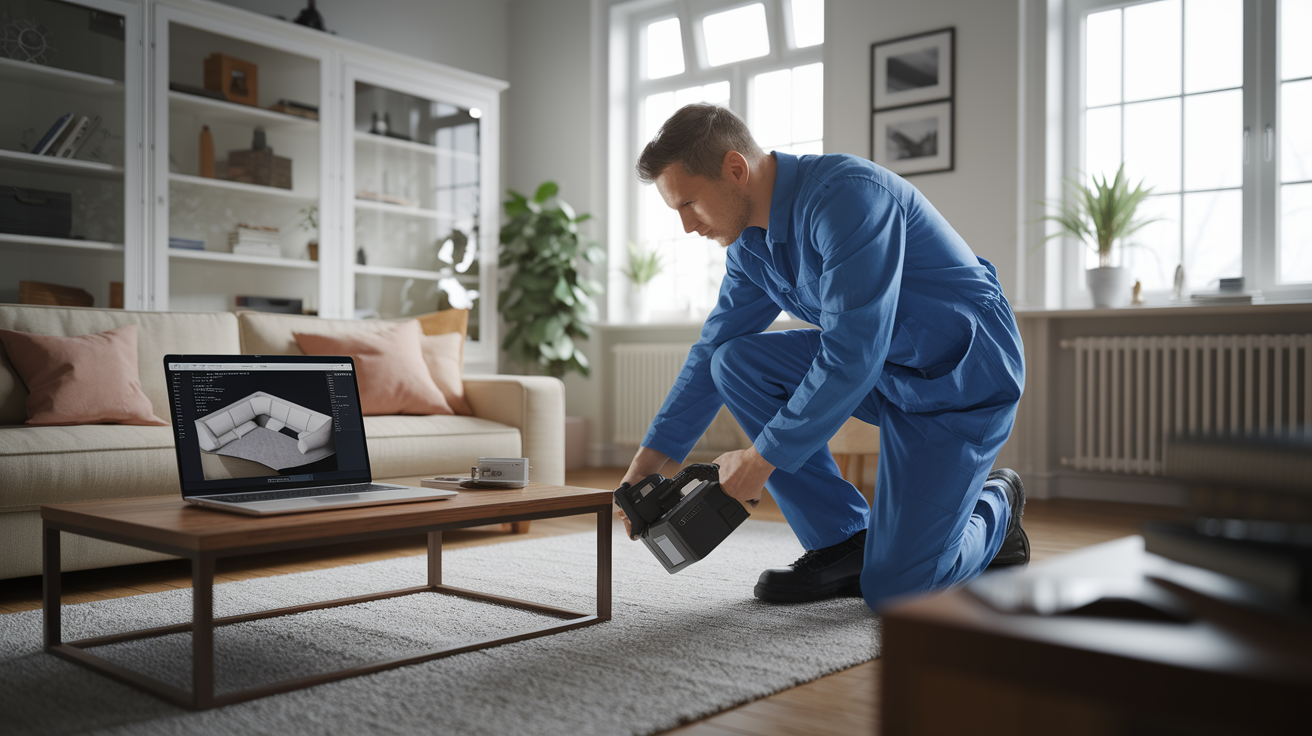
Good restoration companies help with insurance claims and work directly with insurance adjusters to make the process smoother. Instead of dealing with claims paperwork alone while also managing property damage, you’ve got an experienced team that knows what insurance companies need for claim approval. They talk directly with your adjuster, provide supporting documentation, and help make sure all covered damage gets properly included in the claim.
The documentation process involves detailed damage photography from multiple angles, 3D imaging technology like Matterport that creates virtual walkthroughs of your damaged property, moisture readings that prove how bad the water intrusion was, contents inventory listing damaged belongings, and comprehensive scope of work reports explaining every repair needed. For example, A&J Property Restoration uses Matterport 3D camera technology for AI powered 360 degree documentation. It creates 3D models from 2D photos that insurance adjusters can review remotely, speeding up the approval process.
Direct billing options simplify the claims process by letting the restoration company communicate directly with insurance providers and submit documentation on your behalf. Many companies will even accept payment directly from your insurance company, so you only pay your deductible rather than fronting the entire cost and waiting for reimbursement. They handle the back and forth with adjusters, provide additional documentation when requested, and explain any depreciation or replacement cost issues that come up.
Proper documentation helps maximize claim settlements and speeds up the approval process, reducing your stress and out of pocket expenses. Thorough records prove the damage happened, show why each repair is necessary, and create a clear trail that insurance companies trust. This means faster claim approval, fewer disputes over covered work, and less time dealing with paperwork when you’d rather focus on getting your life back to normal.
What Professional Home Restoration Services Cover

Residential restoration services are professional emergency response and repair for homes damaged by disasters, accidents, and environmental hazards.
Water and flood damage covers extraction, drying, leak repair, and structural restoration to address everything from burst pipes to basement flooding. Fire and smoke damage includes debris removal, soot cleanup, and odor elimination using specialized equipment to restore air quality and surfaces. Mold remediation involves source identification, removal of contaminated materials, and prevention strategies to stop it from coming back. Storm and wind damage means roof repair, window replacement, and structural stabilization after severe weather events. Biohazard cleanup handles trauma scenes, sewage backup, and animal waste requiring specialized safety protocols and disposal procedures. Reconstruction completes the process with full rebuild of damaged areas from structural framing through final finishes and paint.
Services get performed by certified technicians using professional grade equipment and span from emergency stabilization through complete reconstruction to return homes to pre loss condition. Whether you’re dealing with a small water leak or major storm damage requiring full reconstruction, restoration companies handle the entire recovery process with one team managing all phases of work.
Water and Flood Damage Restoration for Homes

Water damage is one of the most common and urgent residential restoration needs, affecting thousands of homes daily from various sources.
Common Water Damage Sources
Typical causes include pipe bursts from freezing temperatures or age related failures, appliance malfunctions from washing machines, dishwashers, and water heaters, roof leaks during heavy rain or from missing shingles, basement flooding from groundwater intrusion or foundation cracks, sewage backup when main lines clog or overflow, and natural disasters and flooding from hurricanes, severe storms, or rapid snowmelt. Any of these can dump gallons of water into your home within minutes.
Water Damage Categories and Treatment
Water damage falls into three categories based on contamination level, and treatment protocols differ significantly. Category 1 is clean water from supply lines and appliances. It’s sanitary when it first escapes but can degrade to Category 2 if it sits untreated. Category 2 is gray water from washing machines, dishwashers, and toilet bowls without feces. It contains some contamination and bacteria requiring antimicrobial treatment. Category 3 is black water from sewage and flooding. It’s grossly contaminated with harmful bacteria, requires extensive safety precautions, and often means disposing of porous materials rather than trying to salvage them.
Water Extraction and Drying Process
The technical steps start with water extraction using industrial strength pumps and truck mounted vacuums that remove standing water way faster than household equipment. Technicians then use moisture detection with pin type and non invasive meters plus thermal imaging cameras to find hidden water trapped in wall cavities, under flooring, and in ceiling spaces. Structural drying follows with commercial dehumidification units that pull moisture from the air and materials, combined with air movers positioned strategically to create airflow across wet surfaces. Finally, antimicrobial treatment and sanitization prevent bacterial growth and odors, especially important for Category 2 and 3 water situations.
Thorough drying within 24 to 48 hours is critical to prevent mold growth, wood rot, and permanent structural damage. Wet drywall can hold water behind the paint even when the surface feels dry, and soaked wood framing can warp or develop rot if moisture isn’t fully extracted. Professional equipment and monitoring ensure everything dries completely before reconstruction begins.
Fire and Smoke Damage Restoration Services

Fire damage involves more than visible burning. Smoke particles, soot residue, and acidic odors penetrate throughout the home into walls, HVAC systems, and contents. Even a small kitchen fire that gets put out quickly leaves behind fine soot particles that settle on every surface, while smoke odors embed themselves in carpets, drapes, furniture, and building materials. The acidic nature of smoke residue means it keeps causing damage after the fire is out, etching glass, corroding metal, and discoloring walls if not cleaned promptly.
The soot and debris removal process includes proper handling of charred materials, structural cleaning of all affected surfaces, and following environmental guidelines for safe disposal. Technicians wear protective equipment while removing burned contents and building materials, then use specialized sponges and cleaning solutions made for soot removal on walls, ceilings, and hard surfaces. They follow environmental guidelines because improper disposal of fire debris can create hazardous situations, especially with materials like asbestos insulation or lead paint that become dangerous when disturbed by fire.
Smoke odor elimination methods go way beyond air fresheners or surface cleaning. Professionals use air purification systems with activated carbon filters to remove smoke particles from the air, ozone treatment that breaks down odor molecules at a molecular level, thermal fogging that disperses odor neutralizing particles into the same spaces smoke penetrated, hydroxyl generators for occupied spaces where ozone isn’t safe, and odor sealing primers applied to affected surfaces before repainting to lock in any remaining odor molecules permanently.
Contents restoration for salvageable household items includes furniture, clothing, and personal belongings using specialized cleaning techniques to prevent permanent damage and odor absorption. Pack out services transport items to off site facilities where they’re cleaned in controlled environments, treated with ozone or hydroxyl technology, and returned only after odor testing confirms they’re fully restored. This saves items you’d otherwise lose and reduces the total cost of fire damage by salvaging rather than replacing belongings.
Mold Remediation and Prevention Services

Mold develops within 24 to 48 hours after water damage, and it’s a serious health hazard requiring professional remediation rather than DIY attempts. Respiratory issues, allergic reactions, and exposure to toxic mold species like Stachybotrys (black mold) create real health risks, especially for children, elderly individuals, and anyone with compromised immune systems or existing respiratory conditions. Homeowners who try cleaning mold themselves often spread spores throughout the house, inhale dangerous concentrations, or fail to address the moisture source that caused the problem, leading to rapid regrowth.
The containment process uses physical barriers like heavy plastic sheeting to seal off affected areas, combined with negative air pressure systems and HEPA filtration that pull air out of the containment zone and filter it before exhaust. This prevents mold spore spread to unaffected areas during remediation. Without containment, the physical act of removing mold releases thousands of spores into the air that settle in clean areas and start new colonies.
The remediation steps begin with source identification using moisture meters and infrared cameras to find hidden water that’s feeding the mold growth. Next comes contaminated material removal and proper disposal. Porous materials like drywall, insulation, and carpet that are heavily contaminated usually can’t be saved and must be bagged and disposed of following local regulations. Then antimicrobial treatment of affected surfaces kills remaining mold on structural elements like framing that can be salvaged. Finally, air quality testing verifies safe spore levels before containment barriers are removed and the home gets declared safe for occupancy.
| Mold Remediation Step | Purpose | Equipment Used |
|---|---|---|
| Assessment/Inspection | Identify extent and type of mold contamination | Moisture meters, infrared cameras, air sampling equipment |
| Containment | Prevent spore spread to clean areas | Plastic barriers, negative air machines with HEPA filters |
| Air Filtration | Remove airborne spores during remediation | HEPA air scrubbers, negative air pressure systems |
| Removal | Eliminate contaminated materials safely | PPE (respirators, suits, gloves), disposal bags, HEPA vacuums |
| Treatment/Prevention | Kill remaining spores and prevent return | Antimicrobial solutions, encapsulants, dehumidifiers |
Storm and Natural Disaster Restoration
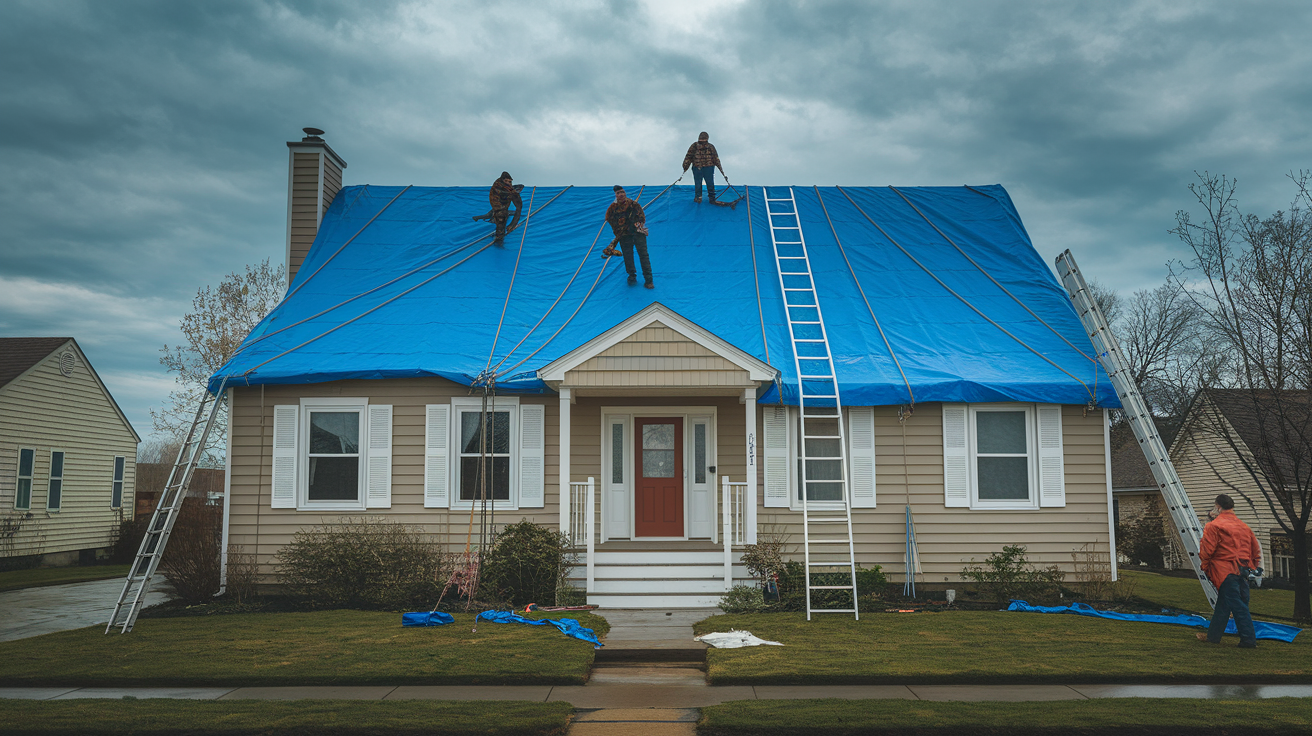
Storm damage affects residential properties in multiple ways including wind damage that tears off shingles or entire roof sections, hail impacts that dent siding and break windows, lightning strikes that damage electrical systems and start fires, hurricane force winds that can remove walls or collapse structures, tornado damage ranging from minor to complete destruction, and flooding from severe weather that combines water damage with wind and debris impacts. Each storm creates unique damage patterns requiring assessment by experienced professionals.
Emergency stabilization procedures happen right after the storm passes and it’s safe to work. Roof tarping prevents additional water intrusion through holes or missing shingles. Blue tarps secured properly can protect your home for weeks while insurance claims process and permanent repairs get scheduled. Window board up covers broken glass and openings, keeping out rain, wind, and unauthorized entry. Temporary weather protection measures might include emergency supports for sagging roofs, covering damaged walls with plastic sheeting, or installing temporary fencing around hazardous areas to prevent more damage while waiting for permanent repairs.
The assessment process for structural damage includes roof integrity evaluation from both interior attic inspection and exterior examination to identify compromised decking, broken trusses, or missing sections. Siding and exterior damage documentation photographs every dent, crack, tear, and impact point for insurance purposes. Window and door replacement needs are cataloged based on broken glass, damaged frames, and failed seals. And interior water intrusion damage from the compromised building envelope gets tracked with moisture meters to find where rain penetrated walls, ceilings, and floors during the storm.
The progression from emergency mitigation through complete reconstruction of damaged structural elements involves coordination with insurance adjusters for storm damage claims. The restoration company documents temporary repairs, provides detailed estimates for permanent work, schedules material deliveries, and manages subcontractors for roofing, siding, windows, and interior repairs. One team handles everything from tarping your roof the day after the storm through final paint touch ups months later, eliminating the stress of coordinating multiple contractors during recovery.
Certifications and Professional Standards in Home Restoration

Certifications like IICRC (Institute of Inspection, Cleaning and Restoration Certification) matter for quality work, proper techniques, and up to date knowledge of industry best practices. IICRC certified technicians have completed standardized training in water damage restoration, fire and smoke restoration, mold remediation, and other specialties, then passed examinations proving their competency. The certification requires ongoing education to maintain, which means certified professionals stay current with new techniques, equipment, and safety protocols as the industry evolves.
Licensed general contractors who can legally handle both emergency mitigation and full reconstruction work ensure continuity throughout the restoration process. Instead of hiring one company for water extraction and another for rebuilding, a licensed contractor manages the entire project from emergency response through final inspection. This eliminates coordination problems, prevents delays between phases, and gives you one point of contact who’s responsible for the complete restoration.
IICRC certification for water, fire, and mold restoration demonstrates completion of standardized training programs. State contractor licensing and bonding proves legal authority to perform construction work and financial protection if the company fails to complete the project. Liability insurance and workers compensation coverage protects you from financial responsibility if workers are injured or property gets accidentally damaged during restoration work. OSHA safety training and protocols ensure technicians follow proper safety procedures when working with hazardous materials, electrical systems, and structural hazards. Specialized equipment operation certifications for thermal imaging cameras, moisture detection systems, and industrial drying equipment round out the requirements.
Certified professionals follow established industry standards for safety, effectiveness, and thorough restoration work, protecting both the property and occupants. They know how to handle asbestos and lead paint safely when fire or water damage exposes these materials, understand the structural implications of removing wet drywall or framing, and apply antimicrobial treatments at proper concentrations to kill bacteria without creating health hazards.
Specialized Restoration Services for Unique Situations
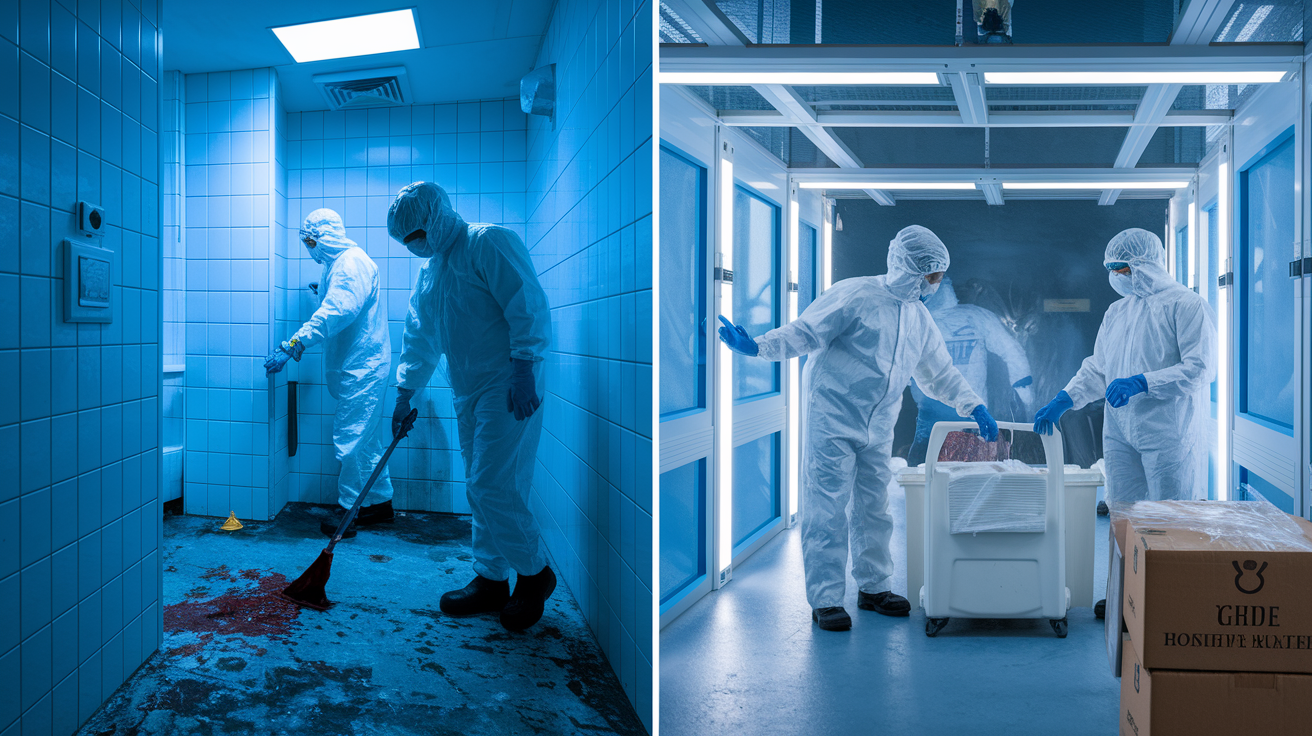
Some situations require expert restoration services beyond typical damage scenarios, including hazardous materials and delicate contents recovery.
Biohazard and Trauma Scene Restoration
Trauma scene cleanup, crime scene restoration, sewage backup contamination, animal waste removal, and hoarding cleanup situations all involve exposure to blood borne pathogens, harmful bacteria, viruses, or toxic substances requiring strict safety protocols. Technicians wear personal protective equipment including respirators, full body suits, heavy duty gloves, and eye protection while working. They follow environmental and health department guidelines for proper disposal of contaminated materials. Items exposed to sewage or bodily fluids can’t simply go in regular trash but must be transported to approved facilities in sealed containers. Professional biohazard restoration eliminates health risks and thoroughly sanitizes affected areas so they’re safe for occupancy after traumatic events.
Contents and Pack Out Services
Pack out services salvage valuable contents and household items by removing them from the damaged property for off site cleaning and restoration in climate controlled facilities. This protects your belongings from ongoing exposure to moisture, smoke, or contamination while restoration work continues at your home. Specialized document drying for important papers uses freeze drying or vacuum thermal drying to save documents, photographs, and books that would be destroyed by conventional drying methods. Electronics restoration attempts to recover data and equipment using specialized cleaning and drying techniques, often saving computers, televisions, and other devices that appear completely ruined. Detailed inventory management and secure storage during on site restoration work ensure nothing gets lost and you know exactly where your belongings are throughout the process.
These specialized services require additional certifications, specialized equipment, and expertise beyond standard restoration work, often involving coordination with local authorities or specific regulatory compliance. Trauma scene cleanup requires biohazard certifications and often involves working with police departments or medical examiners. Document restoration uses equipment most restoration companies don’t own, requiring partnerships with specialized facilities. The complexity and liability involved mean you should verify specific credentials and experience before hiring a company for these unique situations.
Choosing a Residential Restoration Company
Choosing the right restoration company affects the speed, quality, and stress level of the recovery process, making careful selection critical during what’s already a difficult time. The company you pick will be in your home for days or weeks, handling your belongings, coordinating with your insurance company, and making decisions that affect your family’s health and safety. A good choice means smooth recovery. A poor choice means delays, disputes, and extra stress on top of the disaster you’re already dealing with.
Local availability combined with national backing provides the best of both worlds. Immediate response from nearby technicians who can reach your home quickly, supported by the resources, proven processes, and established insurance company relationships that make claims smoother. Large franchise networks like SERVPRO with over 2,000 locations or Paul Davis with more than 300 franchise offices across the U.S. and Canada offer this combination. Local owners understand your area’s specific challenges like freeze risks or hurricane season, while corporate support provides training, equipment standards, and insurance company relationships built over decades.
| Selection Criteria | Why It Matters |
|---|---|
| 24/7 Emergency Availability | Immediate response prevents escalating damage and reduces total restoration costs |
| Licensing and Certifications | Ensures legal compliance, quality standards, and proper training for complex restoration work |
| Insurance Claims Experience | Smooths documentation and approval process, reducing delays and out of pocket expenses |
| Response Time Guarantee | Faster response reduces total damage. 60 minutes on site beats 4 hour arrival significantly |
| Advanced Equipment and Technology | Professional tools like thermal imaging and commercial dehumidifiers deliver superior drying and documentation |
| Reviews and Reputation | Customer experiences indicate service quality, reliability, and how companies handle problems when they arise |
Warranties on completed work, completion certificates for insurance documentation, and follow up inspections are signs of a company that stands behind their work and prioritizes long term customer satisfaction over quick completion. A satisfaction guarantee until customer approval is obtained, like A&J Property Restoration offers, means the company won’t consider the job finished until you’re completely satisfied, not just when they think the work is done.
Final Words
Water in the basement, smoke in the walls, mold behind the drywall—these aren’t problems that wait for business hours.
residential restoration services give you one team for the whole recovery, from the emergency call to the final walkthrough. You get certified pros, the right equipment, and a clear process so you know what’s happening next.
Fire, flood, storm, or mold, the goal stays the same: stabilize the damage, fix what’s broken, and get your home back to normal.
When you need help fast, pick a company that responds 24/7, works directly with your insurance, and guarantees the work until you’re satisfied.
FAQ
How much does a restoration company charge?
A restoration company’s charges vary widely based on damage severity, affected square footage, water category, and required services. Typical water damage projects range from $1,200 to $5,000, while fire damage restoration can cost $3,000 to $26,000 or more depending on extent.
How quickly does mold grow after water damage?
Mold grows within 24 to 48 hours after water damage occurs in your home. This rapid timeline makes immediate professional water extraction and thorough structural drying critical to prevent mold colonization, health hazards, and the need for separate remediation services.
What’s the difference between remediation and restoration?
Remediation removes the immediate problem like mold, contaminated water, or hazardous materials, while restoration repairs and rebuilds the damaged areas to return your home to pre-loss condition. Professional companies handle both phases, so you’re not coordinating multiple contractors during recovery.
What does SERVPRO actually do?
SERVPRO provides emergency response and restoration services for water damage, fire damage, mold remediation, storm damage, and biohazard cleanup. They operate over 2,000 franchise locations across the U.S. and Canada, offering 24/7 availability with trained technicians and professional-grade equipment for residential properties.
What happens during the initial emergency response visit?
The initial emergency response includes immediate property assessment, safety evaluation, damage documentation with photos and moisture readings, emergency stabilization like water extraction or board-up, and containment setup to prevent damage spread. You’ll get a clear explanation of next steps and timeline.
How long does the complete restoration process take?
The complete restoration timeline depends on damage severity but typically ranges from a few days for minor water damage to several weeks for major fire or flood restoration requiring reconstruction. Your project manager provides regular updates and adjusts timelines if complications arise during work.
Do restoration companies work directly with my insurance?
Reputable restoration companies assist with insurance claims by working directly with your adjuster, providing detailed documentation with photos and 3D imaging, submitting scope of work reports, and often offering direct billing options. This streamlines the approval process and reduces your out-of-pocket expenses.
What equipment do professionals use that homeowners don’t have?
Professional restoration companies use industrial water extractors, commercial dehumidifiers, thermal imaging cameras for moisture detection, HEPA air scrubbers for mold containment, hydroxyl generators for odor removal, and specialized antimicrobial treatments. This equipment delivers faster, more thorough results than consumer-grade tools.
Can I stay in my home during restoration work?
Whether you can stay home during restoration depends on damage severity, contamination level, and affected areas. Minor water damage might allow you to stay, while fire damage, Category 3 water, or mold remediation often requires temporary relocation for safety during containment and treatment phases.
What certifications should I look for in a restoration company?
Look for IICRC certification for water, fire, and mold restoration, state contractor licensing and bonding, liability insurance and workers compensation coverage, OSHA safety training compliance, and specialized equipment operation certifications. These credentials ensure proper techniques, safety protocols, and quality standards.
