
Here’s your intro paragraph:
Most homeowners wait too long to call for help after water or fire damage, hoping the situation will dry out or the smell will fade. It won’t. That delay turns a manageable cleanup into a full-scale restoration project with mold growth, structural damage, and way higher costs. The truth is, if you can’t safely stop the damage, remove all the moisture, and verify complete drying within 24 hours using household tools, you need professional help. This guide walks through the specific warning signs that mean it’s time to make the call, so you can protect your home and avoid turning a bad day into a months-long nightmare.
Critical Damage Scenarios and Professional Restoration Thresholds
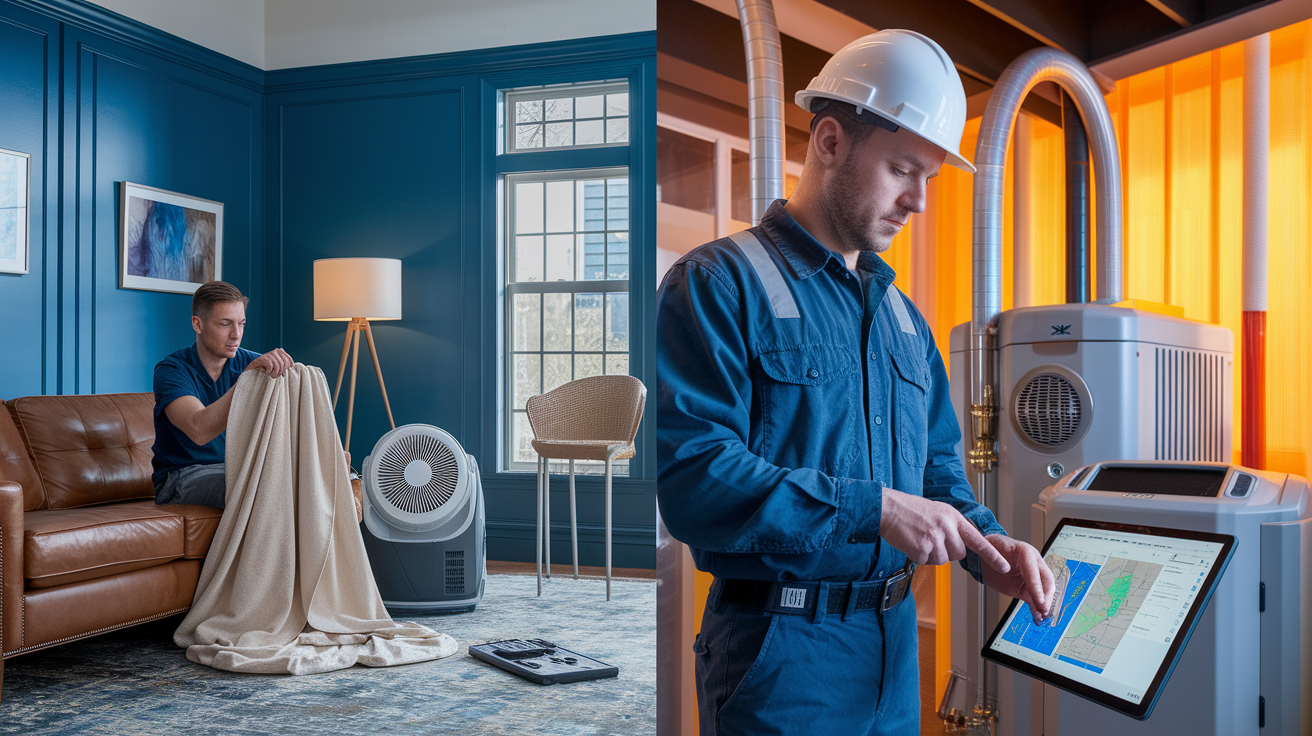
The line between handling cleanup yourself and calling a residential restoration company comes down to one question: Can you safely stop the damage, remove the moisture, and verify complete drying within 24 hours using household tools? If not, you need professional help.
Water damage escalates fast. Mold can start growing within 24 to 48 hours when water gets into your home, turning a manageable cleanup into a health hazard that needs specialized remediation. Around 14,000 people in the United States deal with water damage every single day, and most of those situations need professional equipment and expertise to fix properly.
Small, contained incidents? Sometimes homeowners can manage those. If you catch a spill within hours, it’s clean water only, covers less than 10 square feet, and hasn’t gotten into walls or subfloors, you might handle it with fans and towels. But once water spreads, sits for hours, or soaks into porous materials, the situation crosses into professional territory.
Here are specific damage scenarios that need immediate professional response:
Burst pipes with standing water covering floors or multiple rooms. Sewage backup or any contaminated water from toilets, drains, or external flooding. Basement flooding beyond minor surface seepage, especially if water reached stored items or utilities. Water affecting multiple rooms or getting beneath flooring, inside walls, or into ceiling cavities. Visible mold growth larger than 10 square feet (roughly a 3×3 foot area). Any fire damage with smoke residue on surfaces, even from small contained fires. Storm damage with roof penetration, active leaks, or exterior wall compromise. Structural warning signs like warped wood flooring, buckling laminate, or bubbling drywall and paint. Any combination of water damage and electrical hazards such as wet outlets, submerged appliances, or standing water near electrical panels. Damage that’s been present for more than 24 hours, regardless of how it looks on the surface.
Professional restoration companies have specialized equipment homeowners simply can’t access. Commercial extraction units remove thousands of gallons per hour, way beyond what shop vacuums handle. Industrial dehumidifiers and air movers create controlled drying environments that prevent mold growth. Thermal imaging cameras detect hidden moisture inside walls and beneath floors without tearing anything apart. Air scrubbers filter contaminated air during sewage cleanup. Moisture meters provide precise readings and documentation that track drying progress and verify completion.
Delayed response creates serious health and safety risks. Water spreads through building materials, carrying contaminants into areas that look dry. Electrical systems become hazards when moisture reaches wiring or panels. Structural materials weaken as saturation continues. Professional documentation prevents secondary damage by establishing baseline conditions, tracking mitigation progress, and verifying that restoration meets industry standards. Something you can’t replicate with photos and guesswork.
Understanding Water Damage Categories and Professional Response Requirements
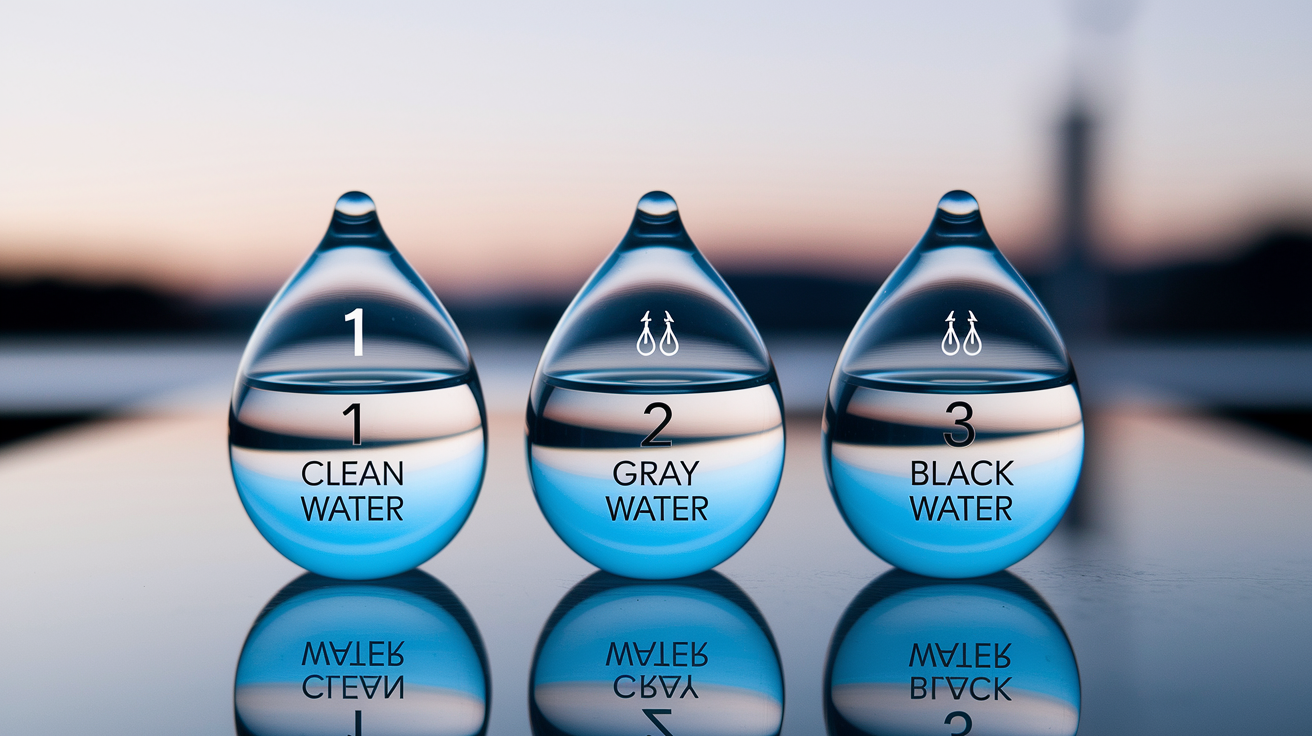
Water damage gets classified by contamination level, not just by how much water you see. The industry uses a three category system because what’s in the water determines the health risks, safety protocols, and equipment needed for proper cleanup.
| Category | Water Source | Risk Level | Professional Required |
|---|---|---|---|
| Category 1 (Clean Water) | Broken supply lines, sink overflows, appliance malfunctions, melting snow or rainwater | Low immediate health risk if addressed quickly | Professional recommended for anything beyond minor spills |
| Category 2 (Gray Water) | Washing machine discharge, dishwasher overflows, toilet bowl water (no feces), sump pump failures | Contains contaminants that can cause discomfort or illness | Professional required for proper sanitization and contamination protocols |
| Category 3 (Black Water) | Sewage backups, flooding from rivers or streams, toilet backflows with feces, standing water with microbial growth | Contains harmful bacteria, fungi, and pathogens requiring biohazard protocols | Professional mandatory. DIY cleanup creates serious health risks |
Homeowners often underestimate contamination risks because water looks clear or comes from what seems like a clean source. Here’s the problem: even Category 1 clean water becomes contaminated within 48 hours as it sits and absorbs materials from flooring, drywall, and insulation. What started as a broken pipe can turn into Category 2 gray water just by aging.
Category 2 and 3 water require specialized cleaning protocols that go way beyond mopping. Professional restoration includes protective equipment like respirators and hazmat suits, antimicrobial treatments applied to all affected surfaces, safe disposal of contaminated porous materials that can’t be salvaged, and documentation proving proper biohazard handling. Small chemical spills require expert biohazard removal and can’t be cleaned with a mop and soapy water. The contamination chemistry demands professional treatment.
Fire and Smoke Damage Restoration Timing
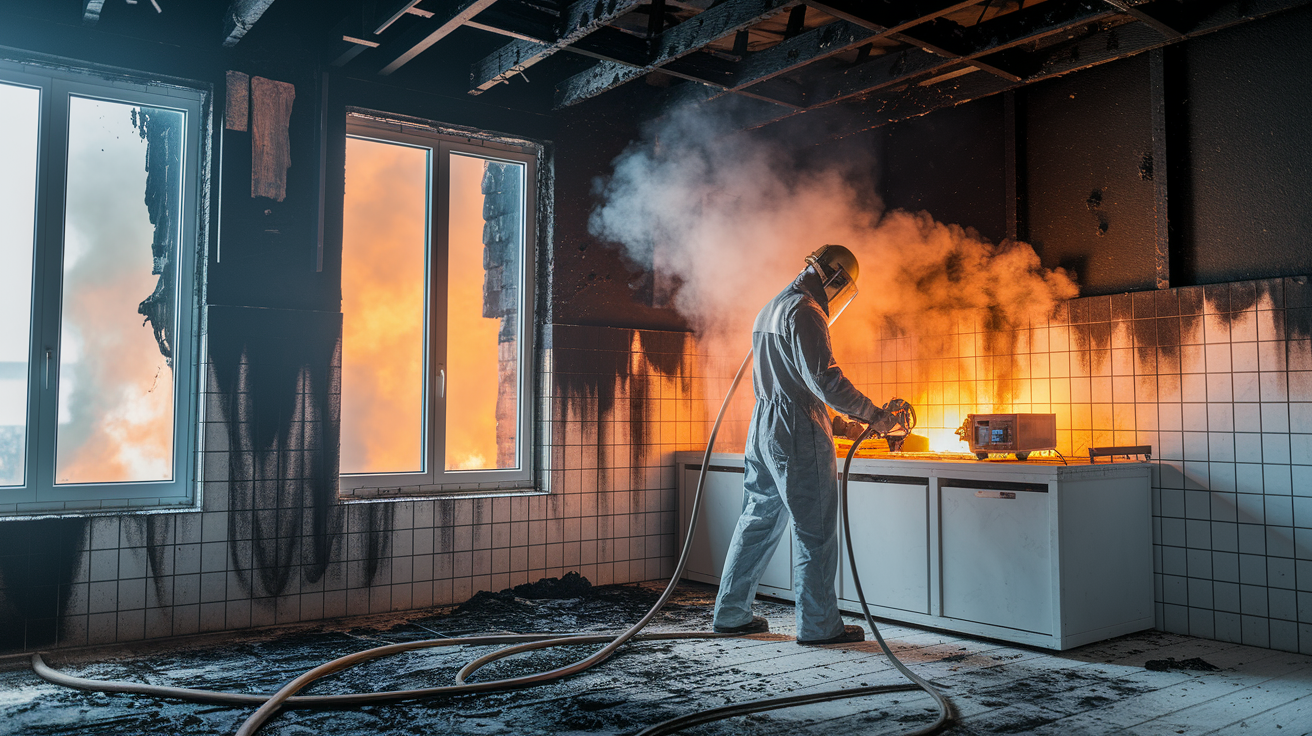
Opening windows and running fans won’t eliminate smoke damage. Smoke particles penetrate surfaces at a molecular level, and airing out your home just spreads the contamination.
Smoke behaves like a gas during fires, seeping into porous materials like drywall, insulation, upholstery, and wood. It travels through HVAC systems, settling in ductwork and distributing odor throughout the building. Professional restoration addresses this molecular penetration using specialized equipment. Thermal foggers release deodorizing particles that bond with smoke residue at the same molecular size. Ozone generators oxidize odor causing compounds embedded in materials. Hydroxyl generators neutralize smoke molecules without requiring building evacuation.
Fire damage indicators requiring specialized restoration:
Any fire that required fire department response, regardless of how quickly it was extinguished. Visible soot on walls, ceilings, or contents, even if the fire was contained to one room. Persistent smoke odor that remains 24 hours after ventilation attempts. Smoke damage to furniture, clothing, or belongings requiring pack out and contents restoration services. Any exposure of electrical systems to heat or water from firefighting efforts.
Smoke odor removal involves complex chemistry that DIY methods can’t replicate. Different materials burned create different chemical compounds in smoke. Burning plastics, wood, fabrics, and synthetic materials each require specific neutralization approaches. Content restoration techniques include ultrasonic cleaning for delicate items, dry cleaning for fabrics, and specialized treatments for electronics. Structural cleaning protocols address walls, ceilings, and hidden cavities using professional grade detergents and sealants that lock in residual odors when complete removal isn’t possible.
Mold Growth Signs That Demand Professional Remediation
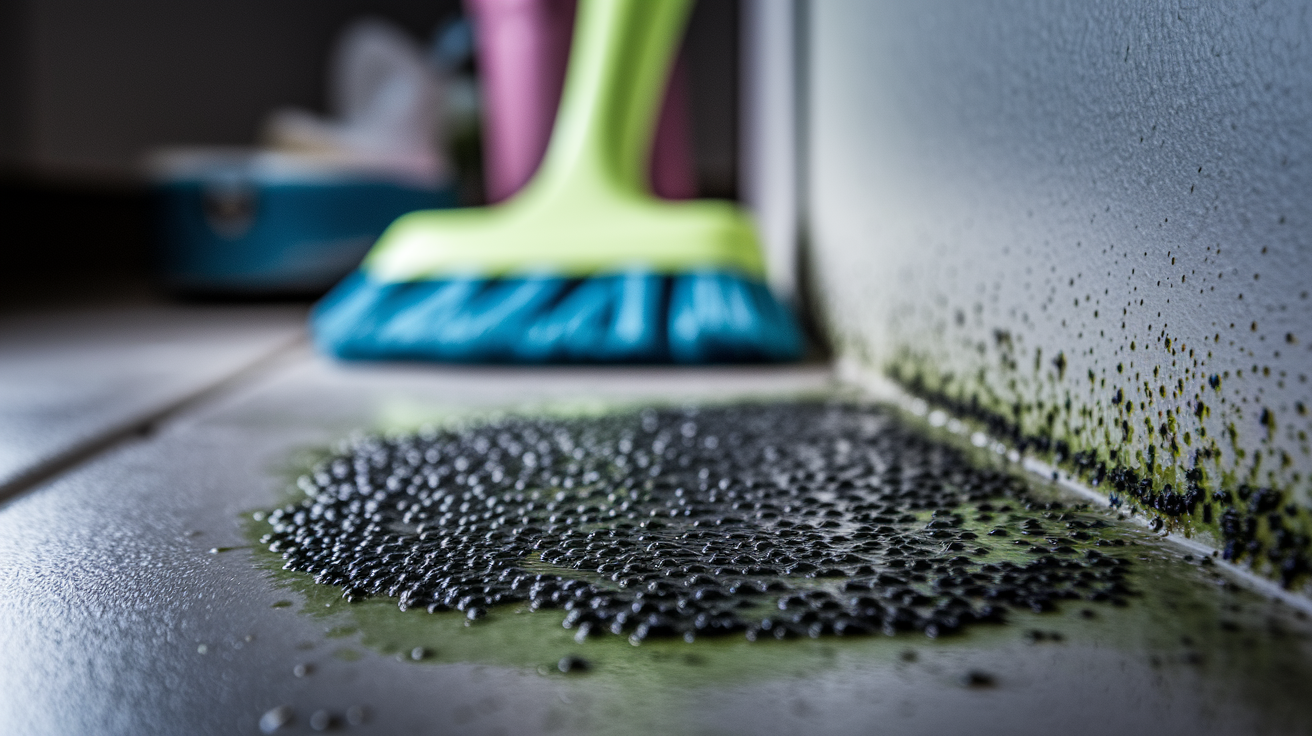
Mold spores start colonizing within 24 to 48 hours after water gets into your home. Dark, damp areas like behind cabinets, inside wall cavities, and beneath flooring create ideal conditions for rapid growth.
The EPA established a 10 square feet guideline (roughly a 3×3 foot area) as the threshold where professional remediation becomes necessary. Beyond that size, mold colonies require containment barriers to prevent spore distribution during cleanup, negative air pressure systems that pull contaminated air out of work areas, and HEPA filtration that captures microscopic spores. Disturbing large mold colonies without these protocols spreads contamination throughout your home.
Mold warning signs requiring professional intervention:
Visible black, green, or white patches on walls, ceilings, or floors larger than 10 square feet. Persistent musty odors without an identifiable visible source, indicating hidden growth. Recent flooding or water damage that wasn’t professionally dried and verified. Respiratory symptoms, allergic reactions, or breathing difficulties that improve when you’re away from home. Mold discovered in HVAC systems, where air circulation distributes spores to every room. Mold in crawl spaces, behind walls, or under flooring where moisture sources persist.
Professional mold remediation addresses what you can’t see. Testing identifies mold species and concentration levels, determining appropriate response protocols. Physical containment barriers seal off affected areas with plastic sheeting. Antimicrobial treatments kill mold colonies and prevent regrowth. Source moisture elimination uses dehumidification and structural drying to remove the conditions mold needs. Surface cleaning only removes visible growth. Professionals address hidden spores and environmental factors that cause recurrence. Handymen or contractors may leave undetected spores present after cleaning, leading to regrowth within weeks.
Storm and Natural Disaster Damage Assessment
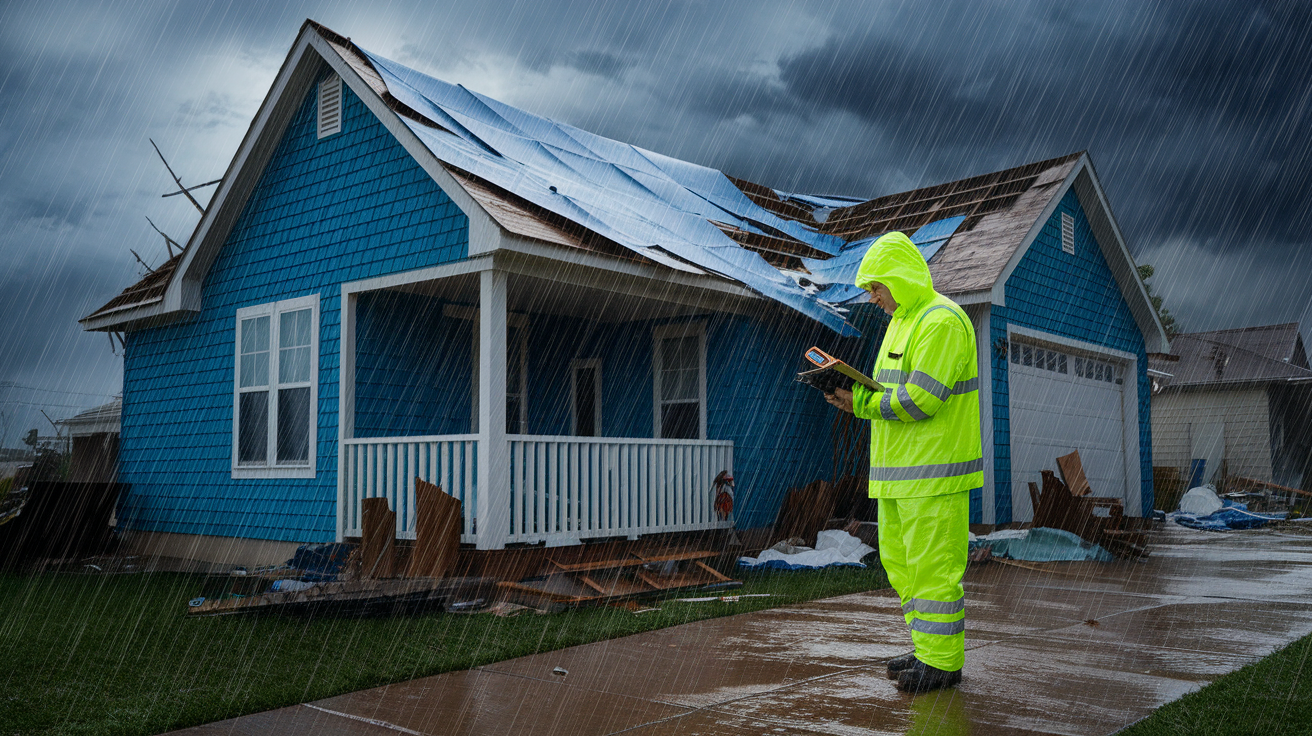
Storm damage creates unique combinations of water intrusion, structural compromise, and contamination that exceed what homeowners can safely assess or repair. Wind driven rain penetrates exterior walls differently than plumbing leaks. Flooding carries outdoor contamination indoors. Structural impacts create hidden damage that worsens over time.
Any roof penetration, significant water intrusion, or structural compromise requires immediate professional assessment. Restoration companies use structural engineering principles to evaluate load bearing damage and moisture tracking technology to map water migration through building assemblies.
Storm scenarios requiring professional restoration services:
Roof damage with active leaks, missing shingles, or compromised underlayment exposing roof decking. Fallen trees on the structure causing penetration, wall collapse, or roof damage. Broken windows with interior water damage from wind driven rain saturating walls and floors. Foundation cracks with visible water seepage or basement flooding from exterior drainage failure. Siding or exterior wall damage exposing interior wall cavities to weather and moisture. Wind damage affecting structural integrity such as rafter displacement, wall bowing, or framing separation. Flooding from storm surge, overwhelmed drainage systems, or natural water sources entering the building.
Professional storm response includes emergency board up services that secure openings and prevent additional weather damage. Temporary weatherproofing with tarp systems protects exposed roof areas until permanent repairs occur. Structural stabilization prevents further collapse or shifting while comprehensive assessment takes place. Documentation during initial response establishes baseline damage for insurance adjusters and creates the record needed for claims processing. Critical because storm damage often involves multiple insurance considerations including wind coverage, flood insurance, and standard homeowners policies.
Insurance Claims and Documentation Requirements for Restoration

Professional involvement from the first hour protects you financially when filing insurance claims. Restoration companies create the documentation insurers require to process claims efficiently.
Most homeowners insurance policies include a “duty to mitigate” clause requiring you to prevent further damage once an incident occurs. Running fans, placing buckets under leaks, and turning off water sources count as mitigation. But so does calling professionals who can completely stop damage progression. Insurance companies expect the level of documentation that professionals provide, not homeowner photos and estimates.
Professional documentation supporting insurance claims:
Timestamped photo and video evidence showing damage extent at initial arrival, during mitigation, and after completion. Moisture readings and monitoring logs tracking water content in materials from first measurement through final verification. Detailed scope of work written in insurance industry terminology and aligned with standard claim categories. Itemized cost estimates following Xactimate or similar software that adjusters use for verification. Certificates of proper disposal for contaminated materials, proving compliance with health and safety regulations. Completion verification with final readings confirming that restoration meets industry drying standards.
Restoration companies often work directly with insurance adjusters, providing the technical information needed for claim approval and coordinating site visits for assessment. They understand policy language, coverage limitations, and documentation requirements that homeowners find confusing. Delays in calling professionals can result in claim denials for “failure to mitigate.” If the insurance company determines you allowed damage to worsen by not taking appropriate action, they can reduce or deny coverage. Time is critical when you’re experiencing water damage requiring immediate professional response.
Emergency Versus Scheduled Restoration Service Needs
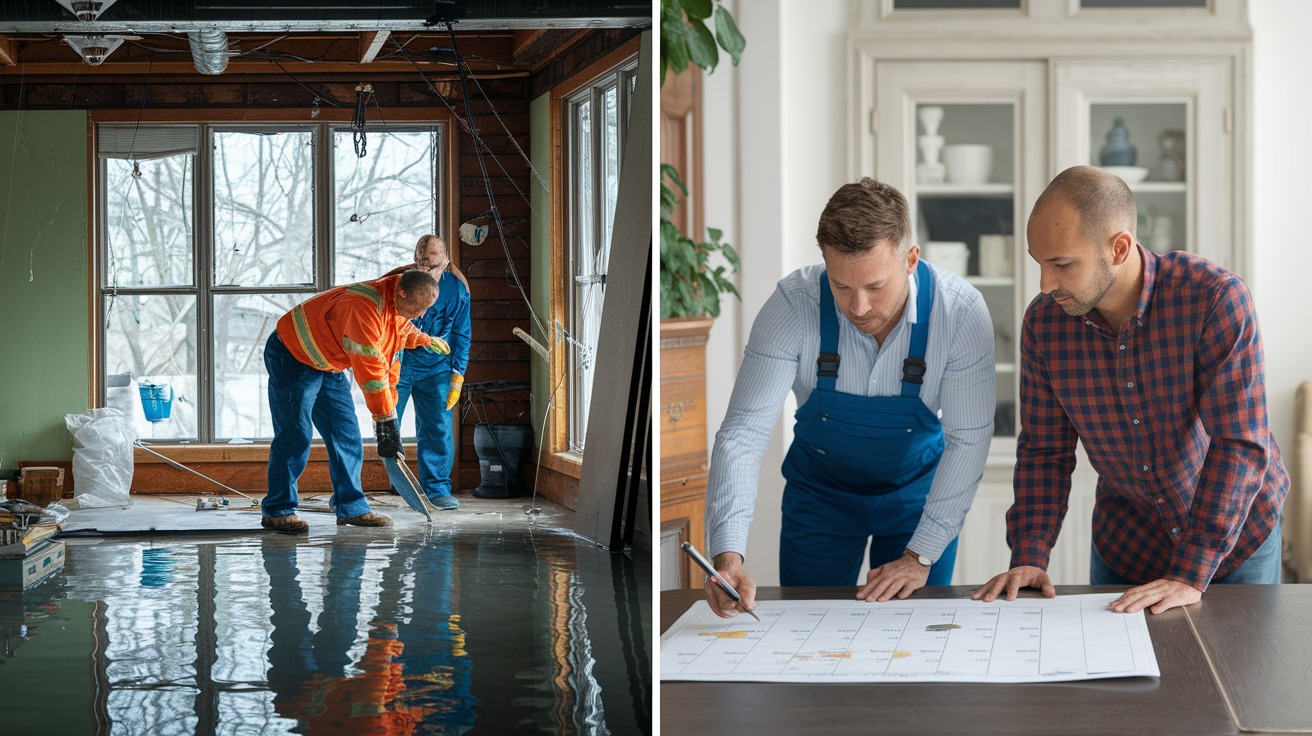
True restoration emergencies involve active damage or immediate health and safety risks. These situations require 24/7 response because every hour increases damage severity and costs.
Emergency scenarios demanding immediate professional response include active water intrusion from burst pipes or ongoing roof leaks, sewage backups contaminating living spaces, fire damage with structural instability or continued smoke infiltration, storm damage leaving your building exposed to weather, and any flooding with standing water that threatens electrical systems or structural materials.
Scheduled service situations can wait for normal business hours while still requiring professional attention. Isolated mold discovery without active moisture sources allows time to vet contractors and schedule convenient service times. Old water stains being investigated for source and extent don’t get worse overnight. Post repair verification after you or contractors completed drying gives you time to confirm work quality. Preventive inspections following resolved incidents help ensure problems don’t return but don’t require middle of the night response.
When you’re uncertain about urgency level, call immediately. Professional restoration companies provide phone assessments, asking specific questions about water source, affected area size, duration, and visible damage. They can determine whether you’re facing an emergency requiring immediate dispatch or a situation that can be scheduled for the next business day while providing interim guidance for damage control.
Selecting and Vetting Residential Restoration Companies

Identifying qualified restoration companies before emergencies happen gives you confidence when disaster strikes at 2 a.m. Vetting during a crisis leads to poor decisions.
| Qualification | Why It Matters | What to Verify |
|---|---|---|
| IICRC Certification | Industry standard training ensuring technicians follow proven protocols for water damage, fire restoration, and mold remediation | Ask for certification numbers and verify at IICRC.org |
| 24/7 Availability | True emergencies happen outside business hours and require immediate response to prevent escalation | Call after hours to confirm live person answers, not voicemail |
| Local Presence | Faster response times for emergencies, familiarity with local building codes and common regional issues | Verify physical office location and ask about typical response times for your area |
| Insurance Direct Billing | Experience working with insurance companies streamlines claims and reduces homeowner financial burden | Ask how many insurance companies they work with regularly and if they handle claims paperwork |
| Full Service Capability | Companies offering mitigation, restoration, and reconstruction eliminate coordination hassles and contractor juggling | Confirm they handle drying, repairs, and rebuilding without subcontracting major elements |
Response time expectations for residential restoration emergencies should be 2 to 4 hours from your initial call to technician arrival. Companies with local presence and proper staffing meet this window consistently. SERVPRO has over 5 decades of experience in the restoration industry and operates with multiple locations, providing the infrastructure for rapid response.
Questions to ask when vetting restoration companies:
“Are you available 24/7 for emergencies, and who answers the phone after hours?” “Do you carry liability insurance and workers compensation for all technicians?” “Can you provide references from recent projects similar to my situation?” “Do you handle insurance paperwork directly, or do I need to coordinate claim filing?”
Check online reviews focusing on emergency response experiences, not just overall ratings. Look for patterns in how companies handle unexpected complications, communication during multi day projects, and final billing compared to estimates. Verify Better Business Bureau ratings and complaint resolution history. Companies with restoration experience should have established track records of resolving customer concerns.
Hidden Damage Detection and Professional Assessment Tools

Homeowners assess damage based on what they can see and touch. That’s where the mistakes start, because water damage often hides in places you can’t observe until secondary problems like mold growth or structural failure make it obvious.
Professional assessment tools reveal damage that visual inspection misses. Thermal imaging cameras detect temperature variations across wall surfaces. Wet insulation or drywall shows cooler than surrounding dry areas, creating visible patterns that map moisture distribution. Moisture meters measure water content as a percentage in materials like wood framing, drywall, and subflooring, providing objective readings that track drying progress. Hygrometers measure ambient humidity levels, ensuring that air moisture stays low enough to prevent condensation and mold growth during the drying process.
Hidden damage types professionals routinely find:
Water inside wall cavities from slow plumbing leaks that show no exterior signs for months. Subfloor saturation beneath carpet that appears dry on the surface but holds water underneath. Insulation moisture in crawl spaces and attics where homeowners rarely inspect. HVAC duct contamination from smoke, sewage backup, or mold spores distributed throughout the system. Structural lumber moisture content in floor joists, wall studs, or roof rafters that weakens framing over time.
Professional assessments identify safety hazards beyond moisture damage. Homes built before 1980 often contain asbestos in insulation, flooring, or drywall that requires specialized handling during restoration. Electrical systems exposed to water create shock and fire risks that aren’t always obvious. Professionals test circuits and inspect panels before beginning work. Persistent musty odors indicate hidden water damage where mold is thriving out of sight, often within walls or beneath floors. Homeowners focused on cleaning visible water miss these critical factors.
Cost Factors and Timeline Expectations for Restoration Projects
Restoration costs vary widely based on damage extent, contamination level, and which materials need replacement versus cleaning. Understanding cost factors and timelines helps you evaluate estimates and plan for the disruption.
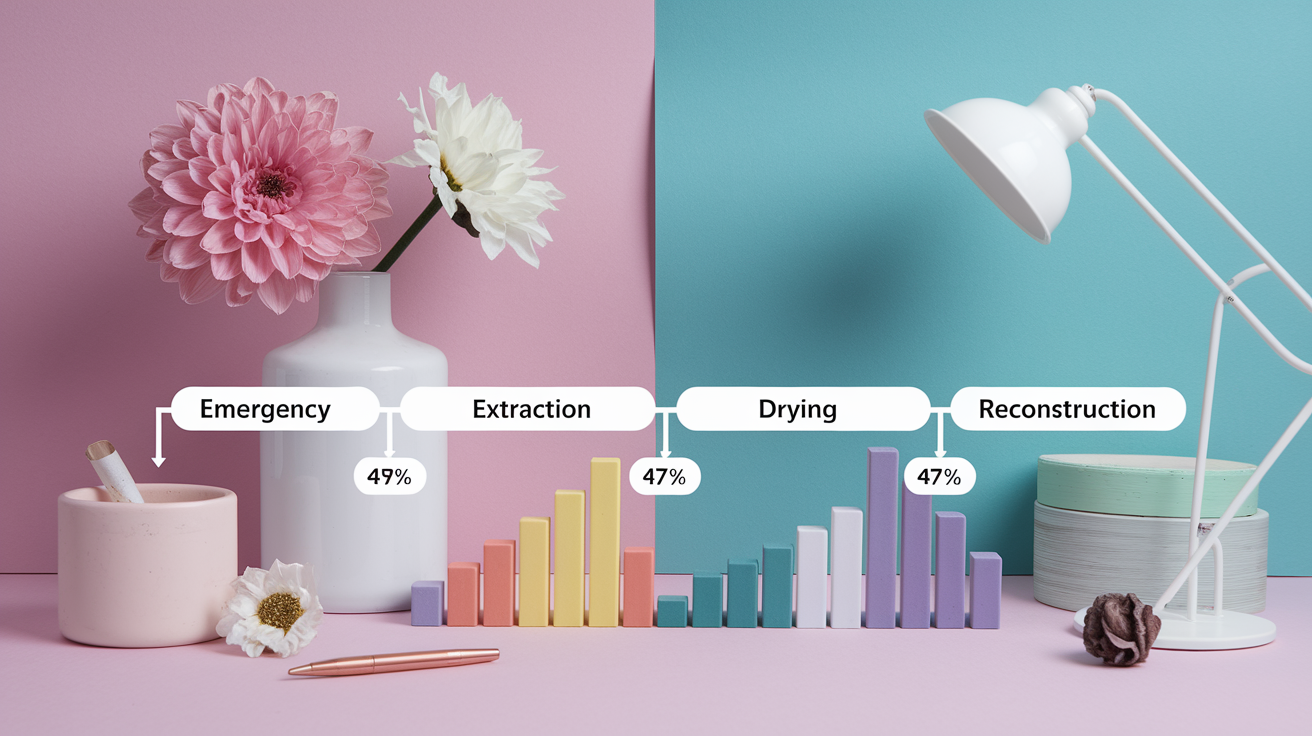
Typical restoration timelines break into phases. Emergency response happens the same day you call. Professionals arrive, assess damage, and begin water extraction or emergency stabilization. Water extraction takes 1 to 2 days depending on volume and affected area size. Drying and dehumidification requires 3 to 7 days with continuous monitoring to ensure moisture levels drop to safe ranges. Reconstruction spans 1 to 4 weeks depending on scope, from simple drywall replacement to complete room rebuilds.
| Damage Type | Typical Timeline | Cost Range Factors |
|---|---|---|
| Water Damage | 3 to 10 days for drying, plus 1 to 3 weeks for repairs | Water category, square footage, flooring and wall material types, structural damage extent |
| Fire Damage | 1 to 2 weeks for cleaning and odor removal, plus reconstruction time | Smoke penetration depth, contents requiring restoration, structural repairs, electrical and HVAC system damage |
| Mold Remediation | 3 to 7 days for containment, removal, and treatment | Colony size, affected material types, HVAC contamination, source moisture complexity |
| Storm Damage | Variable. 1 day to several weeks depending on structural impact | Roof damage extent, water intrusion volume, window and door replacement needs, exterior wall repairs |
Factors affecting restoration costs include square footage of affected areas. Larger spaces require more equipment, longer drying times, and more material replacement. Water category and contamination level drive costs up significantly for Category 2 and 3 situations requiring specialized cleaning and disposal. Materials requiring replacement versus restoration make major differences. Hardwood floors can often be saved with proper drying, while carpet padding almost always needs replacement. Structural repairs needed for compromised framing, roofing, or foundation work add substantial costs beyond surface restoration.
Swift professional action minimizes repair costs and prevents secondary damage such as mold growth or electrical issues. Using multiple service providers can be more expensive than a single professional restoration company that handles mitigation, cleaning, and reconstruction. Ignoring water damage leads to compounding issues including pest infestations, compromised insulation, and decreased property value. Problems that cost far more to address months later than immediate professional intervention.
Final Words
Water damage affects 14,000 homes daily, and mold starts growing within 24-48 hours. That window closes fast.
If you’re staring at standing water, smoke residue, visible mold over 10 square feet, or structural damage like warped floors and bubbling walls, it’s time to call a residential restoration company. These aren’t DIY fixes.
Professional restoration teams bring specialized equipment, contamination protocols, and documentation your insurance carrier expects. They stop damage from spreading and get your home back.
Don’t wait. The sooner you call, the less damage you’ll face.
FAQ
When should you call a restoration company?
You should call a restoration company immediately when facing standing water, sewage backup, fire damage, visible mold over 10 square feet, or any damage affecting multiple rooms. Small spills under 10 square feet caught within hours can be DIY projects, but anything larger or older than 24 hours requires professional equipment and expertise.
What is the most expensive thing to fix on a house after damage?
The most expensive thing to fix on a house after damage is typically structural repairs from delayed water intrusion, which can include foundation work, floor joist replacement, and mold remediation throughout wall cavities. Ignoring early water damage leads to compounding problems like rotted framing, electrical system replacement, and decreased property value requiring extensive reconstruction.
Should I call insurance or a roofer first after storm damage?
You should call a restoration company first after storm damage because they provide emergency stabilization, complete documentation for your insurance claim, and coordinate directly with adjusters. Restoration professionals handle both immediate mitigation like tarping and board-up services plus the detailed photo evidence and moisture readings insurers require for claims approval.
When should water damage restoration services begin?
Water damage restoration services should begin within 24 hours of water intrusion because mold can start growing within 24 to 48 hours in damp conditions. Immediate professional response prevents secondary damage like structural compromise, electrical hazards, and Category 1 clean water escalating to contaminated Categories 2 or 3 requiring biohazard protocols.
